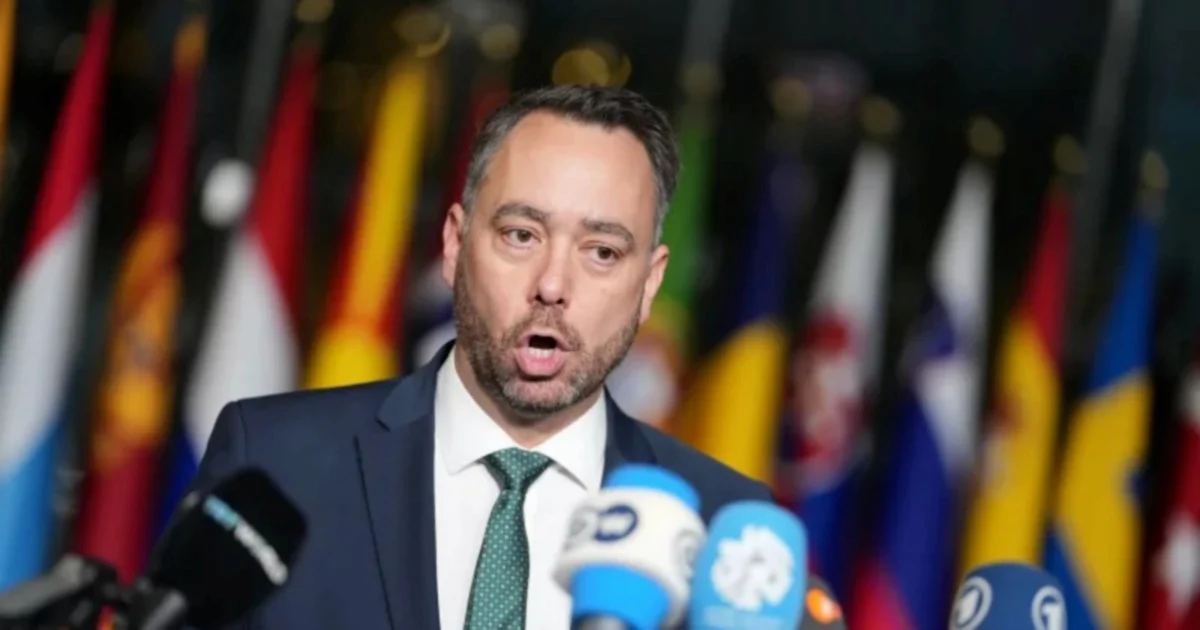
Belgium's Deputy Prime Minister and Foreign Minister Maxime Prevot is heading to Malaysia for a two-day working visit, marking a significant diplomatic engagement between the two nations on critical sectors ranging from clean energy to advanced materials. The visit, commencing tomorrow, represents an opportunity for both countries to align their economic interests and explore collaborative frameworks in three strategic areas that are increasingly important to their respective development trajectories.
Renewable energy cooperation stands as the centrepiece of the discussions, reflecting a global shift towards sustainable development that resonates strongly in Southeast Asia. Malaysia, positioning itself as a regional hub for clean energy innovation, has been gradually ramping up investments in solar, wind, and hydroelectric capacity. Belgium, as a European Union member state with stringent environmental standards and considerable experience in green technology deployment, brings valuable expertise and technological know-how that could accelerate Malaysia's renewable energy agenda. European companies have demonstrated success in integrating variable renewable sources into existing grids, a challenge that Malaysian utilities will increasingly face as penetration rates rise.
The rare earth elements dimension of these talks reflects geopolitical and economic realities that extend far beyond bilateral relations. These materials are essential components in modern electronics, renewable energy systems, defence equipment, and countless consumer products. Malaysia has historically played a significant role in rare earth processing, though environmental concerns have curtailed some domestic operations. Belgium and the broader European Union are keen to diversify their supply chains away from dominant Asian suppliers, particularly given strategic concerns. A partnership with Malaysia could help European manufacturers secure more stable and ethically sourced supplies while providing Malaysia with opportunities to modernise its processing capabilities and align with international environmental standards.
The halal industry dimension demonstrates how traditional sectors can drive contemporary commerce and diplomatic relations. Malaysia has established itself as a global halal hub, with Kuala Lumpur hosting numerous halal certification bodies and hosting the World Halal Forum. Belgium, with a significant Muslim population and substantial food and pharmaceutical manufacturing capacity, represents a substantial market for halal-certified products and a potential production base for halal goods destined for Middle Eastern and Asian markets. Enhanced cooperation could encompass certification standards harmonisation, trade facilitation, and investment in halal-compliant manufacturing facilities.
Prevot's portfolio as Foreign, European Affairs and Development Cooperation Minister positions him uniquely to address not only immediate commercial interests but also the broader framework of European-Malaysian relations. His development cooperation responsibilities suggest Belgium may be considering expanded partnerships in capacity-building, technical training, and institutional strengthening across these sectors. For Malaysia, such engagement at ministerial level signals recognition of its importance as a regional economic player and its strategic positioning in Southeast Asia.
The timing of this visit carries additional significance given current global energy transitions and supply chain reassessments. European nations are actively seeking new partnerships to reduce dependencies that emerged during recent geopolitical tensions and pandemic disruptions. Malaysia, positioned at the intersection of major global trade routes and with growing technological capabilities, represents an attractive partner. Equally, Malaysia stands to benefit from European expertise and investment as it navigates the complexities of transitioning to a lower-carbon economy while maintaining economic competitiveness.
Bilateral relations between Belgium and Malaysia have historically been cordial but not particularly high-profile compared to relations with larger European powers. This working visit suggests both nations are conscious of untapped potential for deeper engagement. European investment in Malaysia remains significant but concentrated in specific sectors; diversification into renewable energy and rare earths could broaden economic ties. From Belgium's perspective, the visit demonstrates commitment to relationships beyond traditional European partnerships and signals openness to Indo-Pacific engagement.
The renewable energy discussions will likely address specific project opportunities, regulatory frameworks, and potential financing mechanisms. Malaysia's commitment to achieving carbon neutrality by 2050 requires substantial capital investment and technological transfers. European financial institutions and development banks have experience structuring complex renewable energy financing deals that could serve as models. Technical cooperation in grid modernisation and energy storage technologies may feature prominently, as these remain challenge areas for tropical and island economies.
Regarding rare earth elements, discussions will probably explore opportunities for Belgian companies to establish processing or manufacturing operations in Malaysia, potentially as part of European Union efforts to create alternative supply chains. Malaysia possesses the industrial infrastructure, skilled workforce, and regulatory framework to support such ventures, though environmental management and sustainability certifications would be critical prerequisites. Such partnerships could position Malaysia as a preferred supplier for European manufacturers seeking to comply with emerging environmental and ethical sourcing standards.
The halal industry conversations might encompass mutual recognition of certification standards, joint ventures in product development, and enhanced trade flows between Belgian producers and Malaysian distributors. Given Belgium's prominence in chocolate, beer, and pharmaceutical manufacturing, opportunities exist for halal-certified versions of these products to reach markets where such certification commands premium positioning or is legally required. Malaysian expertise in market access and regulatory compliance in Muslim-majority regions would be invaluable for Belgian companies seeking to expand in these territories.
This diplomatic engagement reflects broader patterns of Southeast Asian nations cultivating multiple partnerships rather than relying on traditional bilateral relationships. Malaysia's strategy of engaging with diverse partners, from major powers to European nations, strengthens its negotiating position and provides access to varied expertise and capital. For Belgium and the European Union, investing diplomatic effort in Malaysia signals recognition of the region's economic dynamism and strategic importance in a multipolar world.
The outcomes of Prevot's visit, whether culminating in formal agreements, memoranda of understanding, or simply laying groundwork for future cooperation, will likely shape bilateral relations for years ahead. Successful collaboration in these three sectors could serve as catalyst for expanded engagement in others, from digital technology to healthcare innovation. Both nations appear positioned to extract meaningful value from enhanced partnership.

