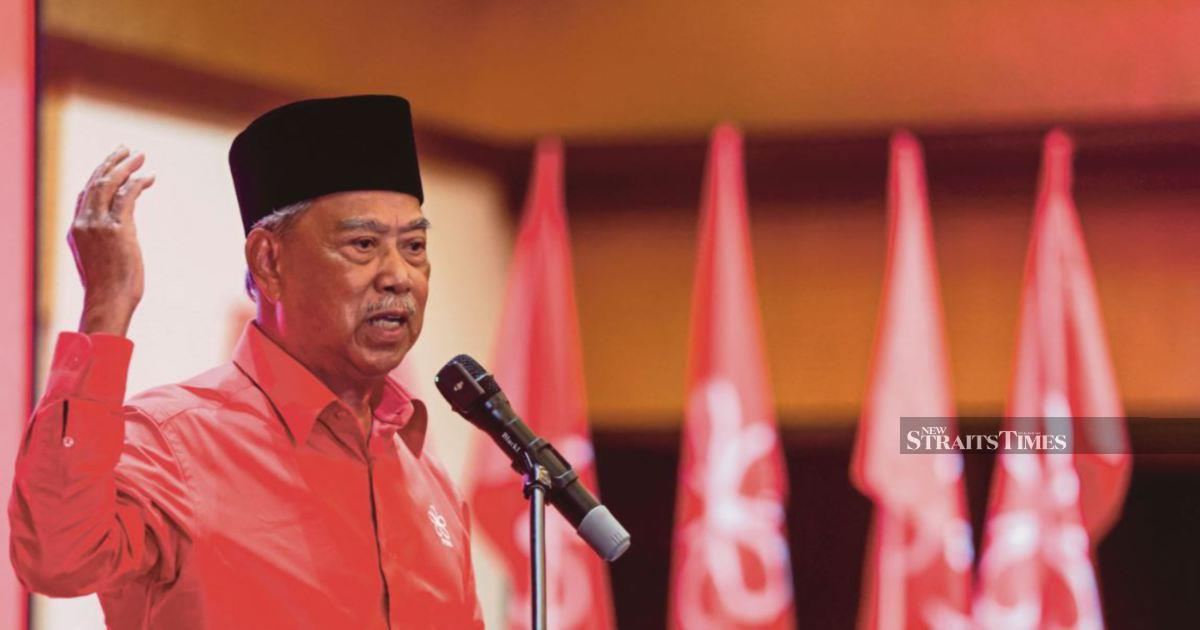
Bersatu's decision to contest 24 seats in the upcoming Negri Sembilan state election has thrust the party into an uncomfortable position within the broader Perikatan Nasional coalition, creating direct confrontations with fellow PN members PAS and Wawasan across eight key constituencies. The announcement underscores mounting strains among the three parties as they navigate the complex mathematics of seat-sharing ahead of the polls, exposing fissures in what has traditionally been presented as a unified opposition front against the ruling Pakatan Harapan government in the state.
The eight constituencies where Bersatu will directly challenge PAS and Wawasan represent significant flashpoints within the PN alliance. Rather than dividing these seats neatly among the three parties, Bersatu's aggressive expansion strategy suggests growing confidence in its organisational capacity and electoral machinery, but also indicates fundamental disagreements over seat allocation. This internal competition could undermine the coalition's ability to mount an effective challenge to Pakatan's incumbency, particularly if anti-opposition votes become fragmented across multiple PN candidates in the same constituencies.
Negri Sembilan has long been a politically significant state, serving as a barometer for broader national sentiment and coalition dynamics. The state's relatively balanced electoral geography—with constituencies ranging from urban centres to rural areas—makes it attractive to all political blocs. For Bersatu, a party that has struggled for traction since its split from UMNO in 2020, Negri Sembilan offers an opportunity to demonstrate electoral viability and stake territorial claims within the opposition framework. The party's decision to contest nearly a quarter of all state seats reflects ambitions to establish itself as a serious force beyond its historical strongholds.
Wawasan, the newer entrant to Malaysian politics and PN coalition, has also been cultivating support in Negri Sembilan, making the eight overlapping constituencies contested ground. The emergence of Wawasan as a PN component has itself been controversial, with questions about seat allocation and representation continuing to spark debate within the alliance. Bersatu's choice to overlap substantially with Wawasan candidates in eight seats may reflect underlying tensions about Wawasan's legitimacy as a coalition partner or disagreement about resource allocation and campaign support.
PAS, the strongest component of Perikatan Nasional and the dominant Islamic party in Malaysia, has its own expectations about seat numbers and strategic placement. The party's substantial electoral machinery and grassroots presence in many Negri Sembilan constituencies makes it a formidable competitor, even against fellow coalition members. The eight-seat overlap with Bersatu suggests that rather than executing a clean power-sharing arrangement, the parties have failed to reach consensus on constituencies they each view as winnable or strategically important for long-term positioning.
The broader implications for Malaysian electoral politics are significant. Internal coalition competition can depress turnout among supporters who view parallel candidacies as wasteful or contradictory to unified messaging. Voters may struggle to understand why they are being offered multiple opposition choices in single constituencies, potentially benefiting the ruling Pakatan coalition by default. If anti-government sentiment is split across Bersatu, PAS, and Wawasan candidates, Pakatan incumbents could retain seats with reduced vote shares, effectively leveraging opposition fragmentation.
Bersatu's strategy must also be understood within the context of national coalition politics. The party leadership, historically associated with Mahathir Mohamad and more recently aligned with various political entrepreneurs, continues searching for sustainable positioning within Malaysia's multiparty landscape. Contesting 24 seats allows Bersatu to argue it is a significant player rather than a junior partner subordinate to PAS's dominance within PN. This assertion of independence, while potentially appealing to party activists and supporters, risks damaging coalition cohesion during the critical campaign period.
For Wawasan, the overlapping candidacies may be particularly problematic. As a nascent political entity still building brand recognition and organisational capacity, direct competition from Bersatu in eight constituencies diverts resources and complicates messaging. Wawasan leaders must explain to supporters why they are simultaneously allied with and opposed to Bersatu, a contradiction that could undermine recruitment efforts and volunteer mobilisation.
The Negri Sembilan election also occurs within the broader context of PN's national positioning. The coalition suffered significant setbacks in the 2023 general election and has been working to rebuild momentum ahead of state-level contests. Seat allocation disputes and overlapping candidacies signal that PN leadership has struggled to enforce discipline or broker equitable deals among components, weakening its effectiveness as a unified political force. This internal discord could reinforce public perception that PN remains fractious and unsettled, compared to Pakatan's ostensibly more coordinated approach, despite its own internal challenges.
The electoral mathematics of Negri Sembilan will prove decisive. With 36 state seats available, controlling 24 candidacies gives Bersatu substantial representation but leaves PAS and Wawasan to contest the remaining 12 seats plus the eight overlapping constituencies. Depending on how votes distribute and whether voters punish or reward intra-coalition competition, the outcome could either validate Bersatu's aggressive expansion or demonstrate the counterproductive nature of PN's dysfunctional seat-sharing arrangements.
Ultimately, the announcement reveals that despite public statements of coalition unity, Perikatan Nasional remains a marriage of convenience among parties with distinct agendas, regional power bases, and divergent views about resource distribution. Negri Sembilan voters will witness this tension play out across eight constituencies, forcing them to navigate the puzzling spectacle of allied opposition parties presenting competing candidates. Whether this internal conflict damages PN's overall electoral prospects or proves strategically inconsequential will become clear once voting concludes, but the pattern suggests deeper structural problems within the coalition that extend far beyond seat allocation mathematics.

