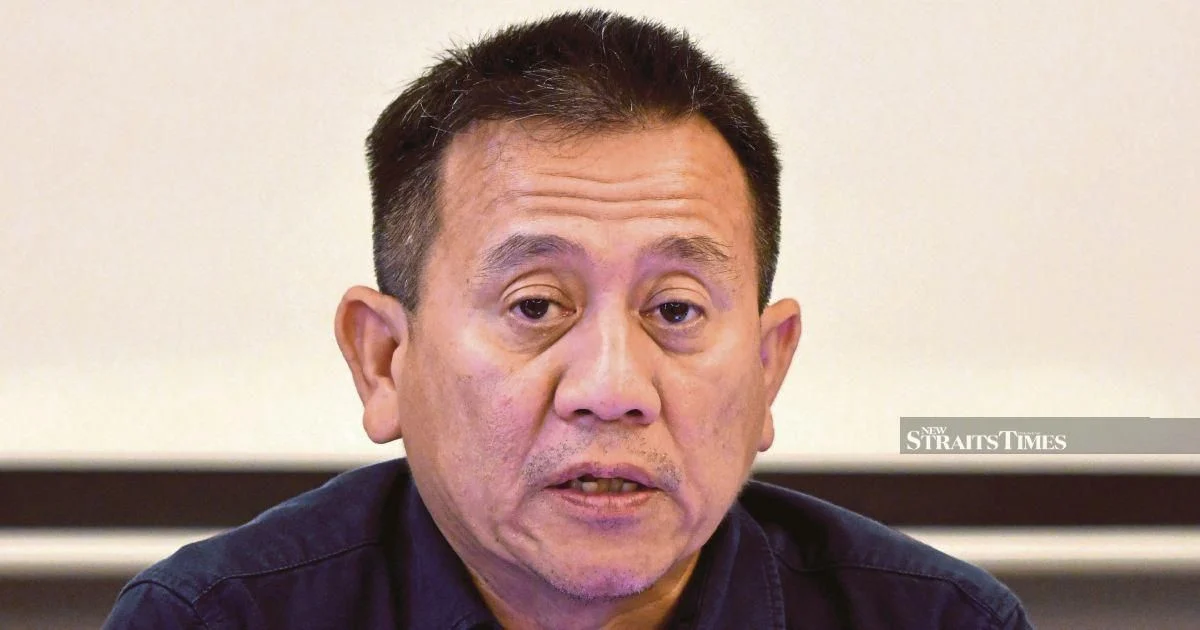
Bersatu has moved quickly to dispel mounting speculation about the party's position on recent coalition developments within Perikatan Nasional, issuing a clarification that distinguishes between its stance on two separate party applications. The party leadership sought to address what it characterised as misleading media reports suggesting opposition to Parti Pejuang Tanah Air's accession to the broader PN grouping. The clarification underscores growing complexities within Malaysia's opposition coalition structure as multiple parties have signalled interest in joining or deepening ties with PN, each application carrying distinct political implications.
The distinction drawn by Bersatu carries considerable weight within the broader political architecture of PN, which has emerged as the dominant opposition coalition following the 2022 elections. By isolating its objections to one party rather than broadly opposing new entrants, Bersatu appears to be taking a calculated approach that preserves its flexibility within the alliance while signalling specific concerns about individual membership applications. This measured stance reflects the delicate negotiations required to maintain coalition cohesion when multiple parties are simultaneously seeking entry or expanded roles.
Pejuang, led by former prime minister Mahathir Mohamad, has been positioning itself as a significant player in Malaysian politics since its establishment. The party's potential integration into PN would represent a notable expansion of the coalition's reach and could strengthen the group's electoral prospects by incorporating another established political brand. Unlike some newly formed entities, Pejuang brings organisational structure and recognisable leadership that could enhance PN's appeal to certain voter segments, particularly those with historical ties to Mahathir's earlier political ventures.
Bersatu's selective objection to the Malaysian Chinese Movement (PCM), meanwhile, points to specific concerns that may relate to ideological alignment, demographic representation within the coalition, or strategic positioning vis-à-vis other component parties. PCM, which has been making overtures to join PN, operates in a different context from Pejuang, potentially triggering different calculations about coalition balance and internal power dynamics. The party's entry could alter the composition of PN in ways that Bersatu finds problematic, whether concerning the bloc's public positioning, internal decision-making structures, or electoral strategy in particular constituencies.
The timing of Bersatu's clarification appears significant given the heightened activity surrounding PN expansion plans. As the party that founded and continues to anchor much of PN's institutional framework, Bersatu maintains considerable influence over coalition membership decisions. However, the party's public correction of media reports suggests that its position may have been misunderstood or misrepresented, requiring explicit clarification to prevent further diplomatic friction with Pejuang or other PN allies.
For Malaysian observers tracking opposition coalition dynamics, this distinction carries implications beyond the immediate membership question. The broader PN coalition must balance the desire to strengthen its numbers against maintaining internal coherence and ideological consistency. Each new party brings its own constituency, leadership structure, and policy preferences, requiring careful negotiation to preserve the alliance's functionality while expanding its electoral base. Bersatu's willingness to welcome Pejuang while objecting to PCM suggests the coalition is applying differentiated criteria to membership applications rather than operating under blanket policies.
The clarification also illuminates internal coalition politics that rarely receive public airing. Most political alliances maintain public unity whilst managing significant behind-the-scenes disagreements about membership, strategy, and resource allocation. Bersatu's explicit distinction between its positions on different applicants indicates that these negotiations have reached a level of public interest demanding transparency, even if the underlying concerns remain largely strategic rather than ideological.
Regionally, PN's expansion trajectory matters beyond Malaysia's borders. As Southeast Asia's largest democracy grapples with opposition coalition building, the mechanisms and criteria different parties apply to membership decisions signal broader attitudes toward political inclusivity and coalition governance. Malaysia's experience could influence how other regional democracies approach similar questions about opposition unity and strategic alliance formation.
Moving forward, the outcome of Pejuang's membership bid will likely indicate PN's broader strategic direction. An acceptance would suggest the coalition prioritises achieving wider electoral appeal and incorporating established political brands, even those carrying historical baggage from previous administrations. Conversely, the handling of PCM's application will reveal whether Bersatu's stated objections represent principled positions or tactical concerns subject to negotiation and compromise as coalition interests evolve. For Malaysian political observers and party strategists alike, these membership decisions carry consequences extending well beyond formal coalition structures into electoral calculations and the fundamental question of what opposition unity in Malaysia might ultimately encompass.

