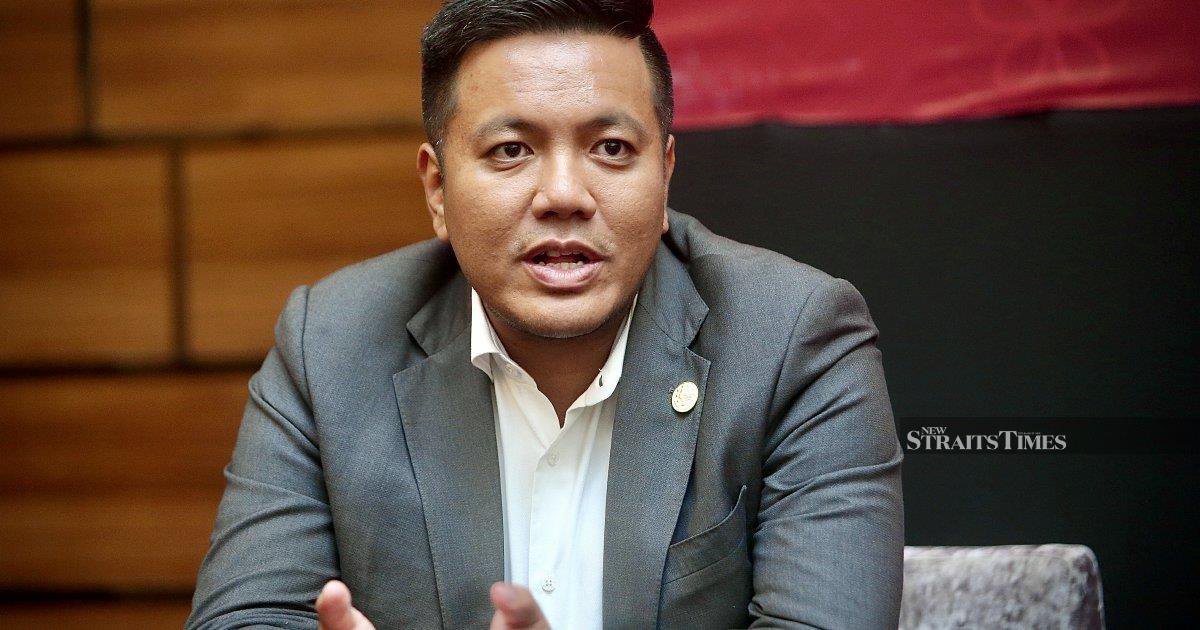
Bersatu has escalated pressure on former Tabung Haji chairman Datuk Seri Abdul Azeez Abdul Rahim to provide a transparent account of his interactions with the Malaysian Anti-Corruption Commission regarding the findings emerging from the Royal Commission of Inquiry into the Islamic pilgrimage fund. The party's intervention signals mounting political attention to the outcome of the high-profile investigation into Tabung Haji, which has been the subject of intense public scrutiny and concern among Muslim pilgrims and the broader financial sector.
The Royal Commission of Inquiry into Tabung Haji was established to examine governance issues, investment decisions, and financial management practices at the institution, which serves as the primary saving mechanism for Malaysians preparing for the hajj pilgrimage. The investigation's findings carry significant implications not only for the agency itself but also for the regulatory framework governing Islamic financial institutions and the oversight mechanisms that protect public trust in such entities.
Tabung Haji has long occupied a unique position in the Malaysian financial landscape, managing funds entrusted by hundreds of thousands of Muslim citizens who are saving for the spiritual journey to Mecca. Any findings regarding mismanagement or impropriety at the institution therefore touch directly on the financial security and religious aspirations of a substantial segment of the population. The RCI's conclusions have consequently attracted considerable media attention and public debate across all levels of Malaysian society.
Bersatu's call for Datuk Seri Abdul Azeez Abdul Rahim to clarify his status reflects the party's emphasis on transparency and accountability in governance. By demanding that the former chairman publicly declare whether he has been summoned or contacted by the MACC, the party is essentially calling for full disclosure of the investigative process and its direction. This approach underscores the political dimension of the Tabung Haji inquiry, where opposition parties and governing coalition members alike are keen to demonstrate their commitment to rooting out institutional misconduct.
The timing of Bersatu's statement also speaks to the broader political landscape in Malaysia, where anti-corruption messaging remains a potent tool for building credibility with voters. By positioning itself as a champion of accountability, Bersatu seeks to maintain relevance within the ruling coalition while signalling to the electorate that it continues to hold feet to the fire on governance issues. The move reflects the competitive political environment within the government itself, where parties vie for credit on high-profile anti-corruption cases.
For Datuk Seri Abdul Azeez Abdul Arahim, the scrutiny represents a significant personal and professional challenge. As a prominent former banker who led Tabung Haji during a period now under investigation, his responses to inquiries carry substantial weight. His tenure at the institution would likely be examined as part of any investigation into governance failures or policy missteps. The pressure to provide clarity on his engagement with authorities could influence broader public perception of the inquiry's progress and the confidence citizens place in the institutions tasked with investigating potential wrongdoing.
The MACC's role in this matter is pivotal, as the anti-corruption agency holds primary responsibility for investigating misconduct in both public and private sectors. The commission's actions following the RCI findings will significantly shape how Malaysians perceive the effectiveness of anti-corruption enforcement. If cases are pursued and prosecutions follow, it would underscore the seriousness with which authorities treat financial institution governance. Conversely, a lack of visible action could fuel concerns about selective enforcement or insufficient rigour in pursuing white-collar crime.
For the broader financial sector, the Tabung Haji investigation carries implications for how religious and social institutions are governed and overseen. It raises questions about the adequacy of existing regulatory frameworks, the effectiveness of internal controls at major financial entities, and the mechanisms through which governance failures are identified and remedied. The case could influence discussions about enhanced oversight of similar institutions that combine financial services with social and religious missions.
The involvement of Bersatu in calling for clarification also reflects the party's internal positioning within the broader ruling coalition. As an Islamist-oriented party with a substantial base among Malay-Muslim voters, Bersatu has particular incentive to ensure that the Tabung Haji matter is handled with appropriate seriousness and transparency. Any perception that governance failures are being overlooked could damage the coalition's standing among this important constituency.
Moving forward, the extent to which Datuk Seri Abdul Azeez Abdul Rahim and other former officials cooperate with investigators will likely determine the pace and scope of any potential legal action. Public disclosure of contact with the MACC, as Bersatu has demanded, could serve to either accelerate or complicate ongoing investigations, depending on what information is revealed. The matter remains fluid, with several possible trajectories regarding how thoroughly authorities will pursue potential infractions and what consequences might ultimately follow for those responsible for governance at the institution during the period under review.

