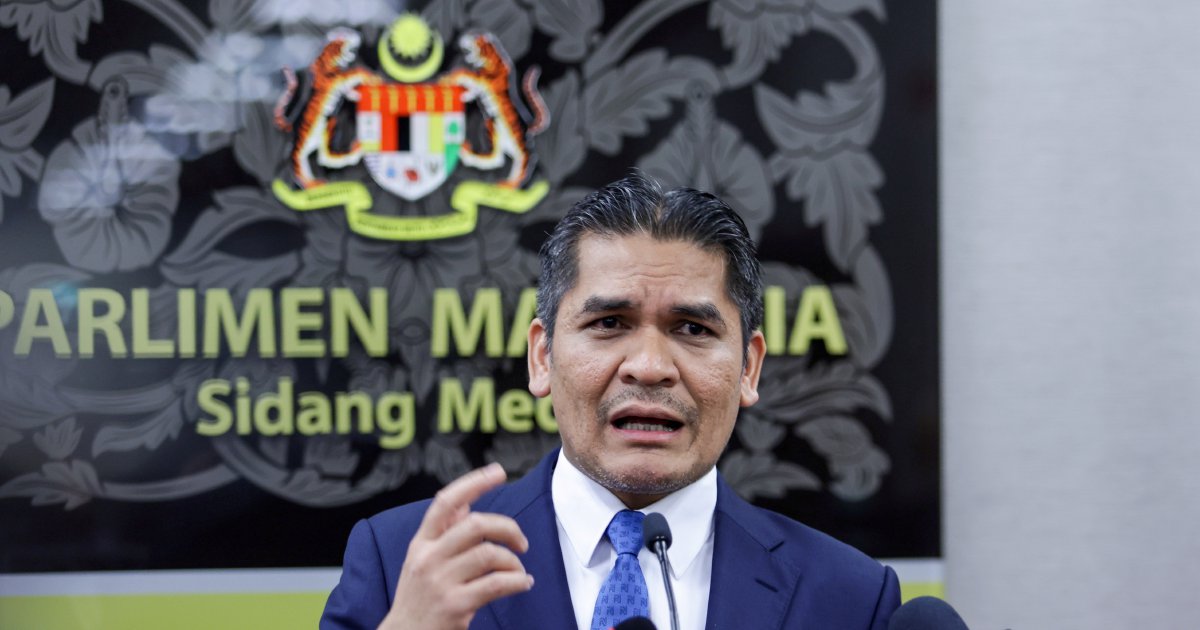
Members of Parliament from Bersatu will maintain their presence throughout today's special parliamentary sitting dedicated to discussing the Royal Commission of Inquiry findings on Lembaga Tabung Haji, party representative Datuk Dr Radzi Jidin confirmed in Kuala Lumpur. The statement addresses speculation about potential walkouts from the government coalition partner during what promises to be a contentious debate.
The Tabung Haji RCI report represents a significant milestone in the ongoing scrutiny of Malaysia's pilgrimage fund management. The inquiry was established following mounting concerns over the institution's financial performance and governance practices, matters that have drawn considerable public and parliamentary attention over recent years. The special sitting provides lawmakers with the formal opportunity to examine the commission's findings and recommendations in detail.
Tabung Haji has been at the centre of substantial controversy, particularly regarding investment losses and the management decisions that contributed to the institution's financial difficulties. The pilgrimage fund, which serves as a crucial savings mechanism for Malaysian Muslims preparing for the Hajj pilgrimage, has faced declining returns and performance issues that have concerned both policymakers and depositors. The RCI investigation aimed to establish accountability and identify systemic weaknesses requiring remedial action.
Radzi Jidin's assurance of Bersatu's participation carries political significance for the coalition government. As a component party within the ruling Perikatan Nasional alliance, Bersatu's attendance and engagement during parliamentary proceedings reflects broader questions about governmental stability and coalition cohesion. Walkouts or absences during critical debates can signal internal tensions or disagreements over policy matters.
The decision to maintain full attendance suggests that Bersatu leadership has assessed the RCI findings and determined that party interests are adequately served through active participation in the parliamentary discussion rather than through conspicuous withdrawal. This approach allows the party to voice concerns, seek clarifications, and influence the nature of responses the government formulates following the inquiry's conclusions.
The special parliamentary sitting itself demonstrates the gravity with which legislative leadership regards the Tabung Haji situation. Scheduling dedicated time for focused deliberation on the RCI report, rather than incorporating it into routine business, underscores recognition that the institution's challenges demand comprehensive parliamentary examination. Such sittings typically allow for extended debate and formal responses from relevant ministers and officials.
For Malaysian voters and stakeholders with deposits in Tabung Haji, the parliamentary proceedings represent an important accountability mechanism. Public discussion of the RCI findings within Parliament creates a transparent forum where government representatives must defend or explain previous institutional decisions and outline remedial strategies. This transparency is particularly important given the direct personal financial stakes many citizens hold in the pilgrim fund.
The RCI process itself reflects the Malaysian government's commitment to investigating institutional governance concerns through established constitutional mechanisms. Rather than relying solely on executive actions or quiet administrative reforms, the inquiry approach involves independent examination and formal public reporting, creating structured opportunity for remedial action backed by legislative scrutiny.
Political observers will watch closely during today's sitting to gauge the nature and tone of interventions from various parliamentary factions. While Bersatu's confirmed attendance ensures the government will have sufficient numbers present, the substance of exchanges may reveal divergences in how coalition partners view accountability for Tabung Haji's performance and the appropriate remedies. Questions may arise regarding whether institutional reform should involve leadership changes, regulatory modifications, or substantial operational restructuring.
The broader context extends beyond Tabung Haji's immediate circumstances. Malaysians increasingly expect their elected representatives and public institutions to meet heightened standards of financial governance and transparency. Institutional failures affecting citizens' savings generate significant political pressure that extends across coalition boundaries, creating unusual opportunity for cross-party agreement on accountability and reform measures.
Regionally, Malaysia's willingness to conduct formal public inquiries into institutional performance contrasts with varying approaches to governance accountability observed elsewhere in Southeast Asia. The RCI mechanism, combined with parliamentary oversight, represents a distinctly Malaysian institutional approach to addressing governance concerns while maintaining democratic legitimacy.
Going forward, the implications of the RCI report and today's parliamentary discussion will likely influence public confidence in both Tabung Haji and the government's broader institutional management capacity. How legislative representatives respond to the findings, whether recommended reforms receive adequate implementation priority, and what accountability measures are imposed on responsible officials will collectively determine whether the inquiry process generates meaningful institutional improvement or serves primarily as ceremonial acknowledgement of past failures.

