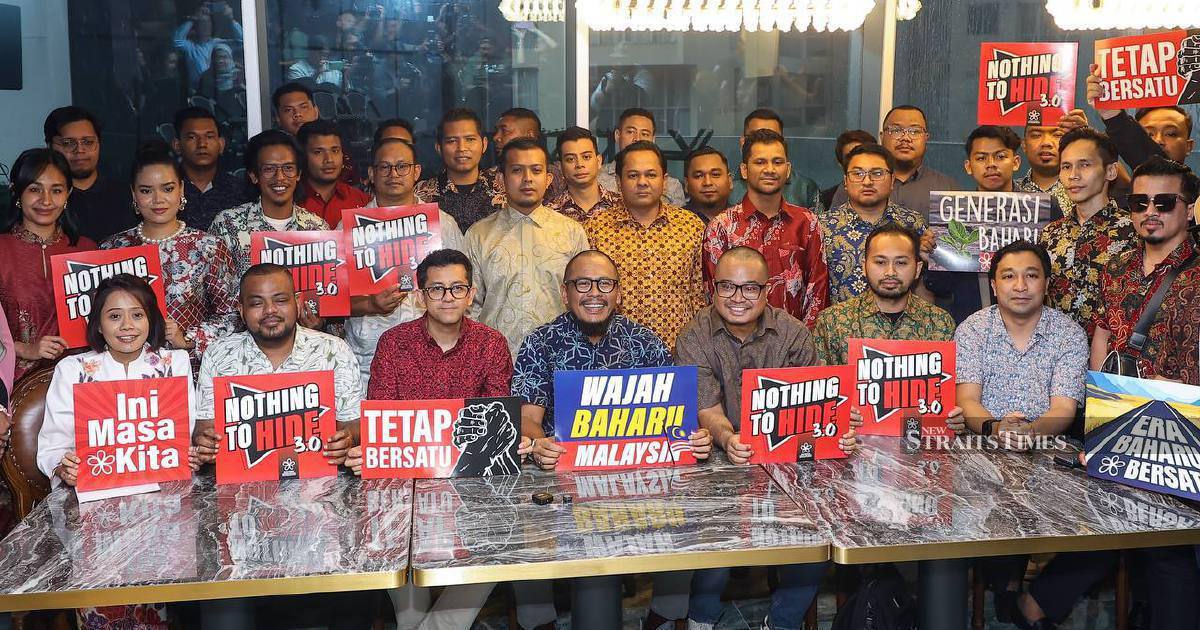
Kota Siputeh assemblyman Mohd Ashraf Mustaqim Abdul Munir has struck an optimistic tone regarding the possibility of repairing strained relations between Bersatu and PAS, two major components of the Perikatan Nasional (PN) political alliance. His comments come at a moment when tensions between the coalition partners have mounted visibly, threatening the stability of an arrangement that has underpinned federal and several state governments across Malaysia.
Ashraf's assessment employs a domestic metaphor to characterise the current impasse, suggesting that the relationship between the two parties resembles a married couple engaged in persistent quarrels while remaining obligated to share the same physical space. This comparison captures an essential truth about Malaysian coalition politics: despite ideological differences and tactical disagreements, partners remain bound together by constitutional arrangements, electoral calculations, and institutional commitments that cannot be easily dissolved.
The Perikatan Nasional alliance has been a defining feature of Malaysian politics since its formation, initially as an electoral vehicle and subsequently as a governing coalition. Bersatu, the party of former Prime Minister Mahathir Mohamad and later led by Muhyiddin Yassin, has positioned itself as a Malay-Muslim party with technocratic leanings. PAS, the Islamist party that governs several states and wields considerable influence within PN, operates from a more explicitly religious ideological framework. These foundational differences have occasionally generated friction over policy priorities, resource allocation, and the direction of coalition strategy.
Recent developments have amplified these underlying tensions. Disagreements between the two parties have surfaced in various domains, from the allocation of ministerial portfolios and development projects to differing approaches toward governance and legislative priorities. In a coalition where neither party commands an absolute majority independently, such disputes assume heightened significance. Each party must weigh the benefits of cohesion against the temptation to secure advantages through separate manoeuvres, creating a delicate equilibrium that can tip suddenly.
For Malaysian observers and political analysts, the health of the PN alliance carries direct implications for governance at both federal and state levels. Several state governments depend on PN coalitions to maintain their parliamentary majorities. A complete rupture could trigger defections, realignments, and potentially destabilise administrations across multiple states. The current configuration of Malaysian politics, with no single party or bloc commanding overwhelming dominance, means that coalition management has become the central challenge of contemporary governance.
Ashraf's metaphor of the married couple also highlights an important psychological dimension of coalition politics. Partners may quarrel intensely while harbouring no genuine intention of separation. The rhetoric of dispute often masks underlying acceptance of the relationship's fundamental continuation. Yet such metaphors can also obscure the genuine possibility that accumulated grievances might eventually prove fatal to an alliance. The comparison between a political coalition and a marriage works only as far as the partners' mutual interest in preserving the arrangement extends.
The history of Malaysian coalitions demonstrates that such partnerships require constant maintenance and periodic renegotiation. The Barisan Nasional itself endured for decades despite periodic tensions between component parties, ultimately fracturing only after accumulated resentments and changing electoral dynamics converged. The current PN arrangement, still comparatively young, faces its first significant stress tests. How Bersatu, PAS, and other coalition members respond will establish patterns that determine the alliance's long-term viability.
Ashraf's measured optimism may reflect genuine confidence that the structural incentives binding the coalition remain sufficiently powerful to overcome current disagreements. Both Bersatu and PAS benefit from the coalition arrangement; separation would expose each to electoral and political vulnerabilities. For Bersatu particularly, coalition partnership provides access to federal resources and legitimacy that standalone operation would not guarantee. For PAS, the PN arrangement offers a vehicle for wielding national influence beyond its core electoral base.
Yet rebuilding trust between coalition partners requires more than institutional necessity; it demands deliberate political action, compromise on contested issues, and visible recommitment to shared objectives. Previous Malaysian coalitions have managed this through mechanisms including power-sharing agreements, regular consultations at leadership levels, and agreements over resource distribution. The PN alliance must establish similar mechanisms if it is to move beyond Ashraf's hopeful metaphors to actual institutional reforms.
The coming months will test whether such reconstruction is genuinely achievable. Electoral cycles, state-level competitions, and the competing ambitions of individual leaders within both parties will continue exerting pressure on the coalition. Ashraf's confidence suggests that at least some PN figures believe these pressures remain manageable within the existing framework. Whether events vindicate that assessment will largely determine whether the alliance enters its next political phase strengthened or diminished.

