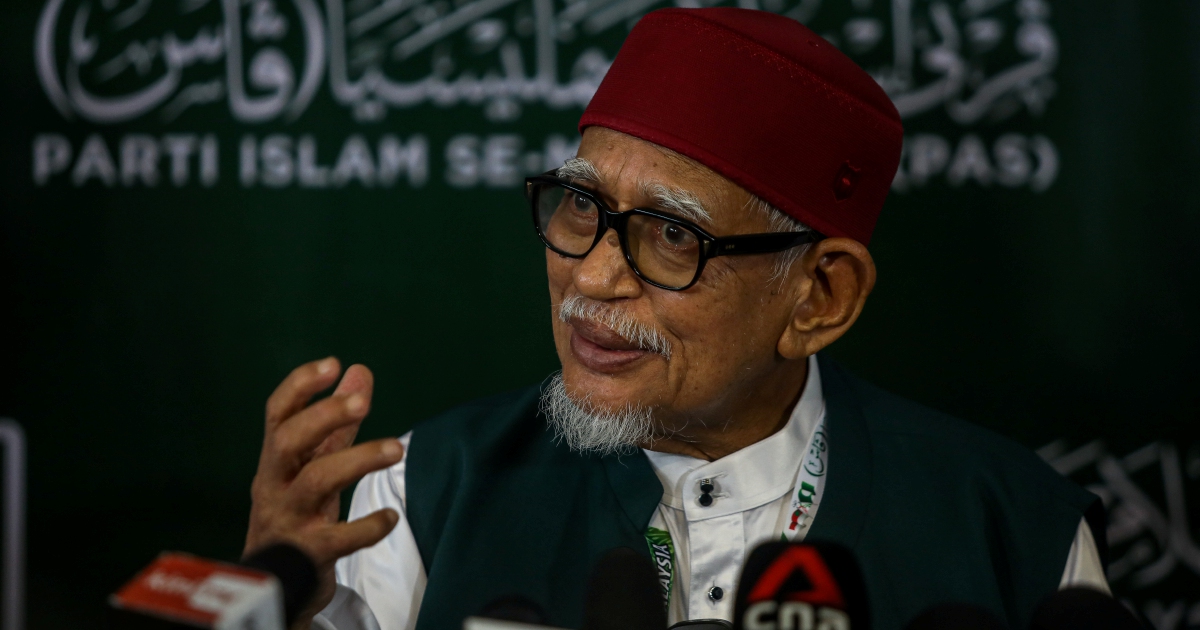
The political landscape shifted significantly when Bersatu's membership in Perikatan Nasional was automatically terminated following an announcement by the party's president, Tan Sri Muhyiddin Yassin, regarding the formation of a new coalition. The development, confirmed by PAS president Hadi Awang in Marang, represents a major realignment in Malaysian politics at a time when the country continues to navigate post-election coalition dynamics.
Muhyiddin's decision to pursue a fresh political alliance rather than consolidate Bersatu's position within the existing Perikatan Nasional framework signals a strategic pivot that could reshape the opposition's parliamentary representation. The automatic revocation of membership suggests that the coalition's constitutional arrangements contain provisions whereby parties formally announcing alternative alliances are automatically expelled, preventing prolonged internal disputes or ambiguous positioning.
The separation carries substantial implications for Perikatan Nasional's parliamentary strength and its influence as a political bloc. Having formally exited the coalition, Bersatu now operates independently, requiring recalibration of seat-sharing arrangements and policy coordination among remaining members. This restructuring occurs against the backdrop of ongoing debates over government formation and the stability of Malaysia's current political configuration.
Bersatu, which emerged from the political upheaval surrounding the 2020 Sheraton Move, had positioned itself as a centrist alternative within the broader opposition framework. Its departure from Perikatan Nasional reflects deeper ideological and strategic differences that have apparently become irreconcilable within the existing coalition structure. The party's choice to establish a new coalition under Muhyiddin's leadership suggests confidence in its ability to forge alternative political partnerships.
From a Malaysian governance perspective, the fluid nature of coalition politics continues to present challenges for institutional stability. The proliferation of coalition arrangements—with Bersatu now launching its own political vehicle—adds another layer of complexity to parliamentary mathematics and executive formation. For regional observers monitoring Southeast Asian political trends, Malaysia's coalition dynamics offer insights into how established democracies navigate multi-party systems where single-party majorities remain elusive.
Hadi's confirmation of the development came through a statement in Marang, underscoring how coalition changes cascade across party leadership structures. As PAS chief and a senior Perikatan figure, his public acknowledgment lends official weight to what might otherwise be interpreted as preliminary manoeuvring. This transparency about the rupture suggests that the remaining Perikatan members have accepted the separation and are moving forward with coalition recalibration.
The formation of a new coalition under Muhyiddin's stewardship raises questions about which political parties might join this venture and what ideological platform could unite them. Given Bersatu's historical positioning and Muhyiddin's previous coalition-building efforts, potential partners might include moderate parties seeking alternatives to both the ruling government and more rigid opposition frameworks. The coalition's viability will depend substantially on its attractiveness to fence-sitter parties and independents currently unaligned within existing blocs.
Economically, political realignments can indirectly affect policy prioritisation and government spending. Shifts in parliamentary strength may influence which policy agendas receive legislative attention and funding allocation. For Malaysia's business community and international investors, coalition stability typically matters more than specific party configurations—unpredictability creates uncertainty that can dampen economic confidence. The separation of Bersatu thus warrants monitoring regarding its potential impact on government formation stability and policy consistency.
Internally, this development reflects tensions that have simmered within Perikatan Nasional regarding party autonomy and coalition discipline. Bersatu's decision to pursue independent coalition-building rather than attempting to reform Perikatan from within suggests that accommodation within the existing structure was no longer feasible. Whether this represents a permanent fracture or a temporary repositioning ahead of potential future negotiations remains to be seen.
For ordinary Malaysians, coalition changes at this scale can feel distant from daily governance concerns. However, such shifts potentially affect parliamentary voting patterns, cabinet composition, and the government's ability to execute its legislative agenda. The loss of Bersatu's parliamentary seats from Perikatan's count could force recalibration of opposition strategy and alter the relative influence of remaining partners within the coalition.
Looking ahead, Muhyiddin's new coalition initiative will test whether sufficient political space exists for a third significant bloc in Malaysian parliamentary politics. The success or failure of this venture could influence similar realignment attempts and shape the trajectory of opposition politics over the coming electoral cycle. Regional political analysts will watch closely to see whether this new formation attracts sufficient membership to establish itself as a credible parliamentary force or whether it remains a marginal player in Malaysia's crowded coalition landscape.

