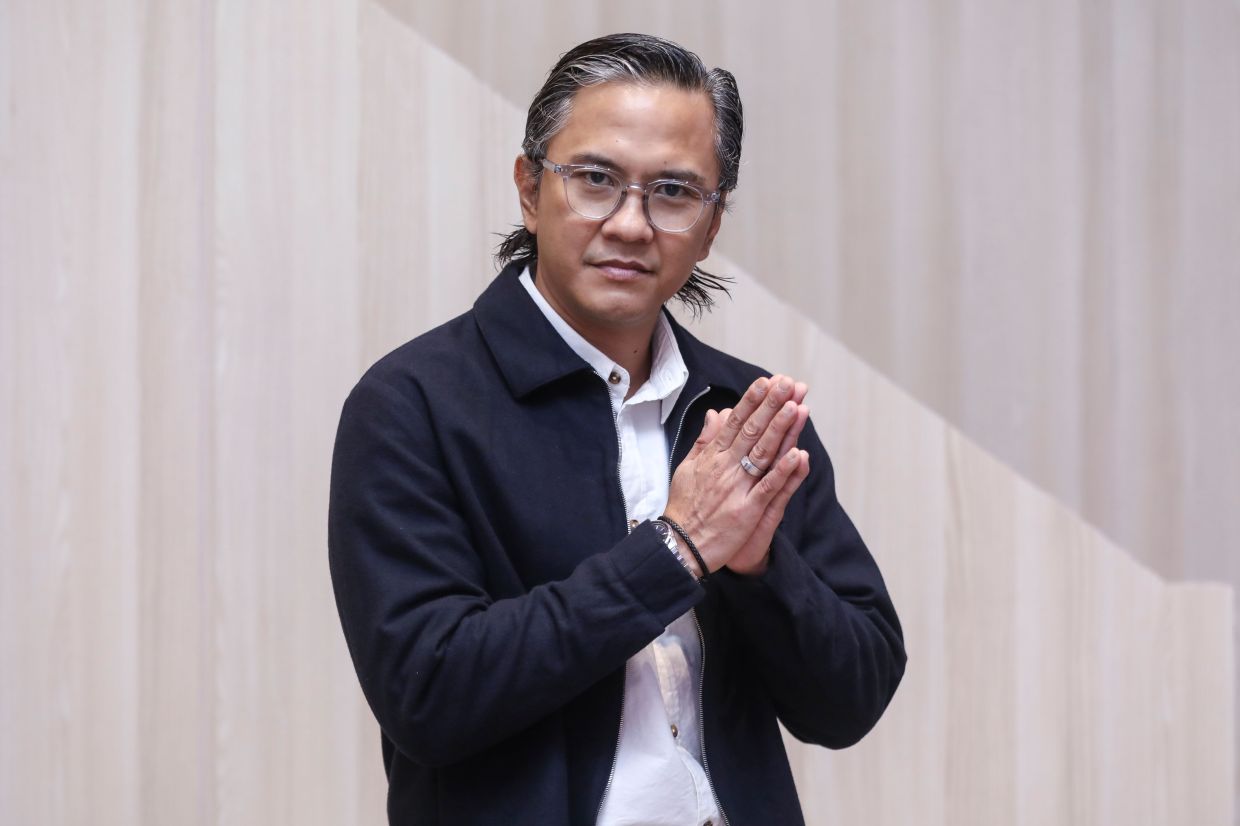
At 46 years old, actor Beto Kusyairy has reached a professional juncture where the trappings of stardom hold little appeal. Instead, the Malaysia Film Festival Best Actor laureate pursues creative endeavours rooted in substance and artistic integrity, a philosophy that has led him to work across film, television, radio drama and any medium that promises meaningful engagement with compelling material. This deliberate shift in priorities reflects a broader maturation within Malaysia's entertainment landscape, one that Kusyairy believes now accommodates stories previously deemed too controversial or uncomfortable for mainstream audiences.
The conviction underlying this perspective took tangible form through his participation in an Astro Originals series that has become one of the year's most discussed local productions. In the eight-episode drama, Kusyairy portrays a father whose young son vanishes and is subsequently discovered deceased. Though his character initially presents as a devoted parent, mysterious lapses in memory regarding the critical day cast him under police suspicion, anchoring the narrative tension that unfolds across the season. Beyond its function as a forensic mystery, the series ventures into thematically challenging terrain, examining childhood trauma, sexual violence and the systematic exploitation of minors with a directness that would have faced resistance in earlier eras of Malaysian television.
The production's commercial and cultural resonance exceeded even optimistic projections. Astro Shaw documented the series generating over 58 million video views while reaching 9.5 million distinct users across social media channels, a metric that underscores how digital platforms have fundamentally altered the way local content circulates and resonates. When the title subsequently appeared on Netflix's Top 10 rankings for six consecutive weeks, it signalled something beyond mere viewership—validation that Malaysian stories exploring serious subject matter could command international attention alongside established Western productions.
Kusyairy attributes much of this success to an organic form of audience participation that evolved as the narrative progressed. Initial episodes sparked what he characterises as collective detective work, with viewers actively theorising about plot developments and constructing hypotheses across social platforms. This interactive dimension gratified the creative team because engagement, regardless of its form, indicated that audiences were genuinely invested in the material rather than passively consuming it. The dynamic shifted perceptibly as the series deepened its exploration of abuse and exploitation, however, prompting viewers to move beyond speculation into something more vulnerable and personal.
Through his interactions on Instagram and Threads, Kusyairy encountered an unexpected dimension of the show's impact: individuals sharing deeply personal narratives of trauma and abuse that paralleled situations depicted on screen. These disclosures, often made in the semi-anonymous space of social media commentary, represented significant gestures of trust and visibility. For survivors long conditioned by familial pressure and social stigma to maintain silence about their experiences, the mere act of naming what happened constituted a form of liberation. Kusyairy interpreted this phenomenon not as the series functioning as therapeutic intervention, but rather as evidence that the narrative had created psychological permission for individuals to acknowledge experiences they had previously compartmentalised.
This observation connects to a broader cultural shift that extends beyond entertainment into the fundamental question of how Malaysian society processes difficult truths. Kusyairy notes that previous generations, preoccupied with preserving family honour and public reputation, often weaponised silence as a protective mechanism that ultimately protected perpetrators rather than victims. Contemporary Malaysian society, he contends, has begun to reject this calculus, with younger cohorts particularly willing to privilege personal truth and collective accountability over conventional notions of family face. This generational recalibration creates space for creative work that acknowledges the actual complexity of human experience rather than flattening it into comfortable narrative conventions.
Crucially, Kusyairy emphasises that the production team did not set out to engineer social change through didactic messaging. The creators pursued the story with artistic honesty, hoping primarily to generate awareness and emotional resonance among viewers. The subsequent emergence of substantive public discourse around child protection, sexual violence and institutional accountability surprised them, suggesting that the series had identified a genuine appetite among Malaysian audiences for storytelling that treats difficult subjects with sophistication rather than sensationalism. This distinction matters considerably—audiences have demonstrated they will engage with mature thematic content when the execution prioritises narrative integrity and avoids exploitation of suffering for shock value.
The manner in which stories are constructed determines whether audiences will embrace or reject their exploration of sensitive terrain. When filmmakers and writers approach challenging material with restraint, nuance and respect for the lived experiences they portray, Malaysian viewers demonstrate receptiveness to conversations that previous market analyses might have deemed commercially risky. This willingness represents not merely tolerance but active hunger for representations that acknowledge their own lived realities in all their complexity. For creators working within the Malaysian media landscape, this represents both opportunity and responsibility—the chance to expand storytelling horizons matched against the imperative to handle vulnerable subject matter with appropriate care.
Kusyairy frames his own participation in this project through the lens of what he terms creative aspiration—the desire to inspire others through meaningful work. He envisions the series functioning as catalyst for filmmakers, writers and producers to interrogate conventional boundaries and pursue more adventurous storytelling across multiple genres. The Malaysian film and television industry has already demonstrated technical and narrative advancement, with production values rising and thematic diversity expanding to encompass action, comedy, crime thriller and horror offerings alongside more traditional dramatic fare. This diversification signals an industry maturing in its understanding of audience sophistication and appetite for varied entertainment experiences.
Moving forward, Kusyairy hopes that this particular project contributes to sustained momentum toward more ambitious local productions, ones that trust Malaysian audiences with stories of genuine consequence. The success of taboo-adjacent storytelling need not signal a race toward gratuitous content; rather, it validates a creative pathway where meaningful narratives addressing real human experience can find both artistic and commercial legitimacy. As Malaysia's media landscape continues evolving, such projects may increasingly anchor a production culture distinguished not merely by technical competence but by willingness to engage seriously with the complexities of contemporary Malaysian life, creating space for viewers to see their own struggles and triumphs reflected authentically on screen.

