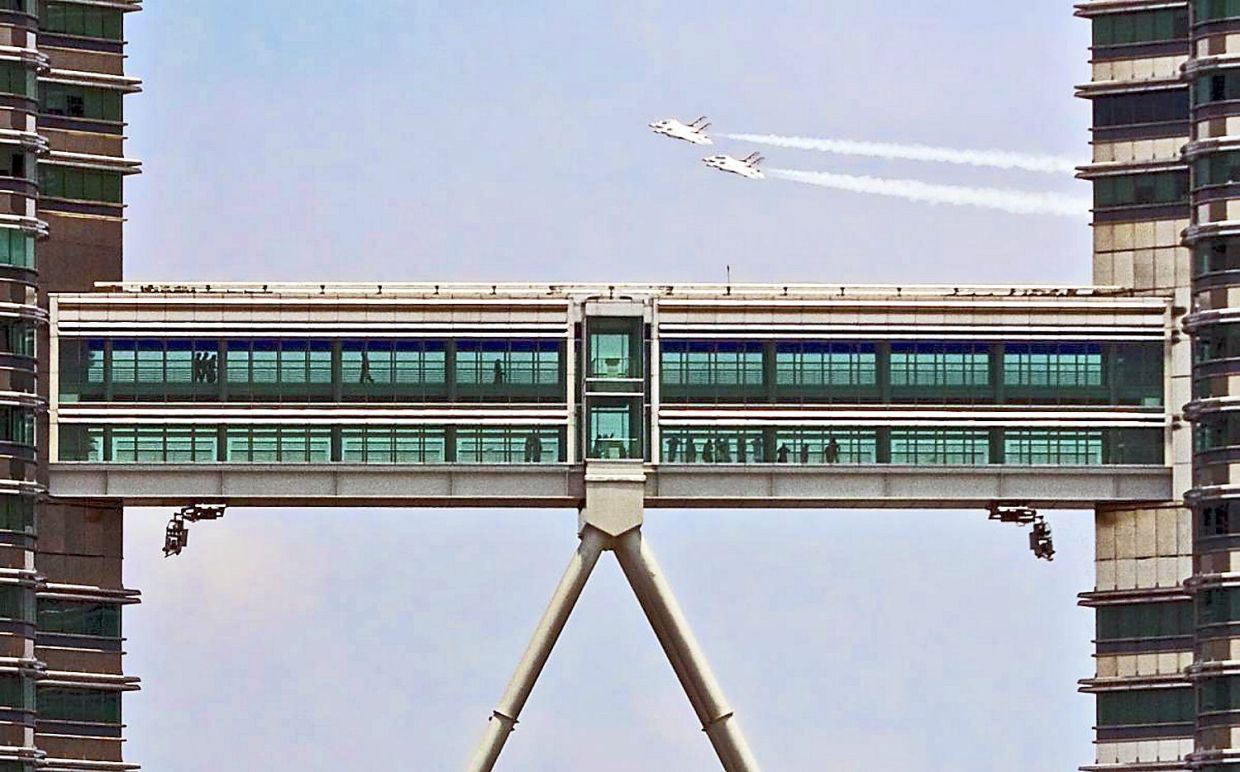
Thousands of tourists queue daily beneath the PETRONAS Twin Towers, waiting to traverse the iconic Skybridge that connects these twin monoliths. The structure processes approximately 42 visitors every quarter-hour, allowing more than 2,000 people to pass through the building each day. What began as an architectural marvel designed primarily to house office tenants has transformed into one of Malaysia's most profitable tourism properties, demonstrating how modern developers are extracting multiple revenue streams from a single asset.
The shift reflects a broader realignment in how property developers view completed projects. Historically, the real estate business operated within clearly defined parameters: office buildings generated income through lease agreements, shopping centres from retail concessions, and hotels from room bookings. Once construction finished, management focused on maintaining occupancy rates and asset preservation. Today, the paradigm has expanded significantly. Leading developers across the globe are discovering that the intangible asset of visitor experience—the sensation of standing atop a skyscraper, the thrill of a rooftop walk, the prestige of accessing exclusive heights—commands genuine financial value separate from traditional property operations.
The PETRONAS Twin Towers exemplify this evolution. Beyond generating rent from office tenants, the development now thrives on admission fees for skybridge and observation deck access, souvenir sales, photography packages, and visitor spending throughout the broader KLCC ecosystem. This diversification has proven remarkably lucrative. Earlier precedents exist: KL Tower combined its primary function as a telecommunications facility with tourism attractions for decades, offering observation decks, Sky Box experiences, and Tower Walk challenges. What distinguishes the current moment is the deliberate integration of visitor experiences into the fundamental asset strategy rather than treating them as peripheral amenities. Merdeka 118, Malaysia's tallest building, exemplifies this intentional approach. The developers have designed observation facilities and a Spire Climb experience as core commercial components rather than afterthoughts, mirroring strategies employed by landmark towers in New York, Dubai, and Singapore.
The psychology underpinning this phenomenon extends beyond simple sightseeing. Visitors purchasing access to observation decks or climbing experiences are not merely paying for panoramic views; they are purchasing exclusivity, physiological stimulation, and what social scientists call social currency—the ability to narrate their achievement within social networks. This distinction carries significant commercial implications because experience-based attractions typically command substantially higher profit margins than conventional property uses. A ticket to an observation deck might cost RM60 to RM150, whereas the per-square-foot rental for office space operates within significantly different economics.
International examples illustrate the commercial viability of this model at scale. New York's Edge observation deck features glass flooring and external sky platforms designed to intensify the visitor experience. Dubai's Burj Khalifa and Singapore's Marina Bay Sands SkyPark have evolved into major tourism businesses that dwarf their underlying mixed-use developments in terms of revenue per visitor. These attractions generate income through tiered ticket pricing, premium access packages, merchandise, professional photography services, and food and beverage operations. The building essentially becomes an infrastructure platform supporting multiple independent revenue streams, each with distinct margins and operational requirements.
However, monetisation strategies need not always involve direct payment. The Exchange TRX demonstrates this alternative approach: its rooftop park remains free to enter, yet generates substantial indirect value by extending visitor dwell time. A family lingering an additional hour on an elevated green space proves statistically more likely to purchase refreshments, dine at restaurants, or make unplanned retail purchases. For shopping centre operators, this extended footfall translates directly into stronger sales performance and improved tenant satisfaction. The extended time visitors spend at such facilities strengthens the property's appeal to prospective retail tenants and supports rental negotiations.
This expansion of how property creates value represents a fundamental recalibration in real estate economics. Developers no longer ask solely how many renters they can accommodate per square foot; they increasingly question how many visitors a building can attract, how long each will remain, and what total expenditure they will generate across all available services. Industry consultants now employ terminology like "experience-led real estate" to describe this phenomenon, recognising that placemaking has evolved from an urban design consideration into a deliberate commercial strategy. Within increasingly crowded urban markets, a distinctive attraction provides competitive differentiation that competing developments cannot easily replicate.
This distinction proves particularly valuable in markets such as Kuala Lumpur and Singapore, where office tenants possess abundant alternatives and retail spending has become increasingly fragmented across online and physical channels. A signature attraction—a 360-degree observation deck, a rope climbing challenge, a rooftop park with native plantings—strengthens a development's brand identity and makes associated office and retail space demonstrably more desirable to both corporate tenants and retail operators. The phenomenon generates secondary marketing benefits of considerable value. Visitors photographing skyline vistas, capturing rooftop selfies, or recording climbing challenges effectively function as unpaid marketing agents for the development. In an environment where social media visibility shapes consumer behaviour and travel decisions, this organic promotional exposure carries genuine commercial worth.
The operational demands of such attractions, however, present substantial challenges frequently underestimated by developers during planning phases. Successful operation requires dedicated lift systems with appropriate capacity for tourist peaks, security screening infrastructure, comprehensive staffing during extended operational hours, substantial insurance premiums, regular deep cleaning, and ongoing maintenance of structures exposed to continuous public use. Crowd management becomes a daily operational complexity, particularly for high-profile landmarks attracting sudden surges during holidays or when media attention drives demand. Weather disruptions affecting rooftop attractions, mechanical failures in climbing facilities, and safety incidents carry legal and reputational consequences significantly beyond typical property management.
The financial model supporting such attractions demands careful calibration. While observation decks can generate substantial per-visitor revenue during peak seasons, demand typically fluctuates with tourism cycles and economic conditions affecting discretionary spending. International operators have learned that successful attractions require marketing investment, strategic pricing that balances volume against margins, and continuous refresh of experiences to maintain visitor novelty. For Malaysian developers competing against established tourism destinations throughout Southeast Asia, these capital and operational requirements create genuine barriers to entry that simultaneously protect successful early movers from competition.
For investors and corporate tenants evaluating Malaysian properties, the emergence of experience-led development strategies offers important considerations. Properties generating consistent tourism revenue demonstrate business resilience during cycles when corporate real estate demand softens. Observation decks and signature attractions strengthen brand recognition and marketing visibility in ways that purely functional office or retail space cannot match. However, developers must honestly assess their capacity to operate complex visitor-facing businesses, as operational failures can damage both financial performance and the property's reputation within the investment community.
Looking forward, the experience-monetisation trend will likely accelerate as Malaysian cities compete for both corporate investment and tourism spending. Developers in Kuala Lumpur, Penang, and Johor Bahru will increasingly incorporate public-facing attractions into development strategies, treating visitor experiences as integral rather than incidental to their business models. This evolution reflects a maturation of the Malaysian real estate sector, where competitive pressures have driven innovation beyond traditional development models. For the country's tourism and real estate sectors, this convergence creates opportunities: buildings that simultaneously serve office, retail, and hospitality functions while attracting leisure visitors generate multiplier effects throughout surrounding economies and communities.

