The cumulative toll of unprotected sun exposure extends far beyond occasional beach outings. Whether you are hunched over a laptop by a sunlit window or walking between air-conditioned offices, your skin faces a relentless barrage of environmental damage that quietly accelerates premature ageing. The reality, often overlooked by Malaysian workers juggling indoor and outdoor schedules, is that approximately 80% of visible skin ageing stems from routine daily exposure rather than holiday weeks spent poolside.
The science is unforgiving. Ultraviolet radiation penetrates deep into skin layers, disrupting collagen and elastin while triggering oxidative stress that manifests as fine lines, deepened wrinkles, and stubborn hyperpigmentation. Yet the threat extends beyond traditional UV rays. High-energy visible light—the blue light emanating from smartphone and computer screens that dominate modern work life—contributes an estimated 25% of cellular oxidative damage. For desk-bound professionals in Kuala Lumpur, Singapore, and across the region, this dual assault represents a genuine daily risk that indoor settings provide no reliable protection against. Even diffused sunlight filtering through office windows delivers measurable damage, making the common assumption that staying indoors safeguards skin fundamentally flawed.
Dr Syairah Nadia Mohamad, chief executive officer of Radiant Clinique, articulates a perspective increasingly embraced by dermatologists across Southeast Asia: skin does not differentiate between sunny beach days and routine workday exposure. Every 24 hours presents identical risk factors, regardless of whether you are attending meetings, running errands, or remaining stationary indoors. This reframing challenges the traditional suncare narrative that reserves protection for obvious sun exposure, repositioning daily application as non-negotiable maintenance rather than optional supplementation. The cumulative impact accumulates silently across months and years, making teenagers and young professionals in their twenties who forgo consistent protection particularly vulnerable to accelerated ageing visible by their thirties.
The challenge has historically been practical rather than scientific. High-SPF sunscreen formulations, while effective, notoriously leave heavy, sticky residue that undermines cosmetic appeal and integration into daily routines. The white cast they produce conflicts with makeup application and skin tone matching, particularly problematic for populations with deeper complexions prevalent throughout Malaysia and the broader Southeast Asian region. This trade-off—choosing between skin health and cosmetic comfort—has driven countless consumers toward inconsistent or abandoned sun protection habits. Cristiana Irimescu, Asia export business director for Pierre Fabre Singapore, notes that the industry perpetuated false choices for decades, forcing consumers into unsustainable protection regimens.
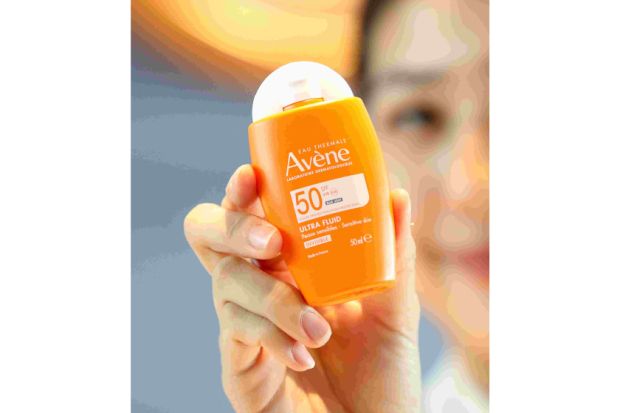
Recent innovation addresses this practical barrier through advanced formulation science. Eau Thermale Avene's latest sunscreen range, unveiled recently, represents a category shift toward ultra-lightweight textures that absorb within seconds, completely eliminating the cosmetic drawbacks that undermined previous generations of sun protection products. The formula achieves absorption rates twice as fast as standard sunscreen while maintaining an ethereal texture comparable to facial toners rather than heavy creams. This technological advancement matters substantially for Malaysian workers navigating tropical heat and humidity, where traditional high-SPF products compound discomfort through visible residue and occlusive feeling.
The TriAsorB filter technology underpinning this formulation provides broad-spectrum protection extending across UVA, UVB, and high-energy visible light wavelengths. This comprehensive approach reflects current dermatological understanding that limiting protection to traditional UV ranges ignores modern exposure patterns. The filter system operates through advanced molecular architecture rather than controversial chemical compounds, incorporating mineral-derived components that sit comfortably on sensitive skin without triggering irritation common with conventional sunscreen ingredients.
Formulation purity strengthens the protective proposition for consumers increasingly concerned with ingredient transparency. The absence of silicones, alcohol, and synthetic chemical filters creates products suitable for acne-prone and sensitized skin types that conventional sunscreens often exacerbate. This matters substantially in tropical Southeast Asia, where heat-induced skin reactivity and fungal susceptibility make ingredient selection particularly critical. The clean formulation approach recognizes that effective sun protection must integrate seamlessly with existing skincare protocols rather than disrupt fragile skin barriers through harsh additives.
The range incorporates product differentiation reflecting recognition that uniform suncare formulations fail to accommodate diverse skin types and daily schedules. Tailored variants address oily skin, combination skin, sensitive skin, and dry skin concerns, ensuring that individuals can select protection matching their specific dermatological needs rather than forcing compromises that encourage product abandonment. This segmentation approach acknowledges that sustainable sun protection requires habitual integration into existing routines—a goal impossible when formulations conflict with individual skin conditions or lifestyle patterns.
Practical barriers to sun protection adoption extend beyond product performance to behavioral psychology. When sunscreen application demands conscious effort, creates visible residue, or produces cosmetic consequences, compliance drops predictably. Formulations that feel indistinguishable from lightweight moisturizers or toners transform protection from tedious obligation into second-nature habit. For Malaysia's professional workforce, many working hybrid schedules alternating between office and remote settings, this seamless integration proves essential to consistent protection across varying daily exposure patterns.
The broader context situates daily sun protection within evolving health priorities for Southeast Asian populations. Rising melanoma incidence across the region, coupled with accelerating skin ageing visible in populations with limited sun protection histories, validates medical emphasis on consistent, year-round application. Beyond aesthetic concerns, skin cancer prevention represents the fundamental health imperative driving dermatological recommendations. Every day missed represents cumulative risk that no future intervention entirely reverses, making prevention through consistent daily protection the most evidence-supported intervention available.
Implementing effective sun protection requires psychological reframing alongside product innovation. Understanding that 80% of lifetime sun exposure occurs during ordinary daily activities rather than vacation weeks repositions suncare from seasonal concern to perpetual necessity. Malaysian professionals should recognize that commutes, lunch breaks, and open-air meetings accumulate exposure equivalent to deliberate sun-seeking behavior. This shifted perspective validates investment in premium formulations that integrate seamlessly into daily routines, transforming protection from burden into sustainable habit that preserves skin health across decades of modern work life.

