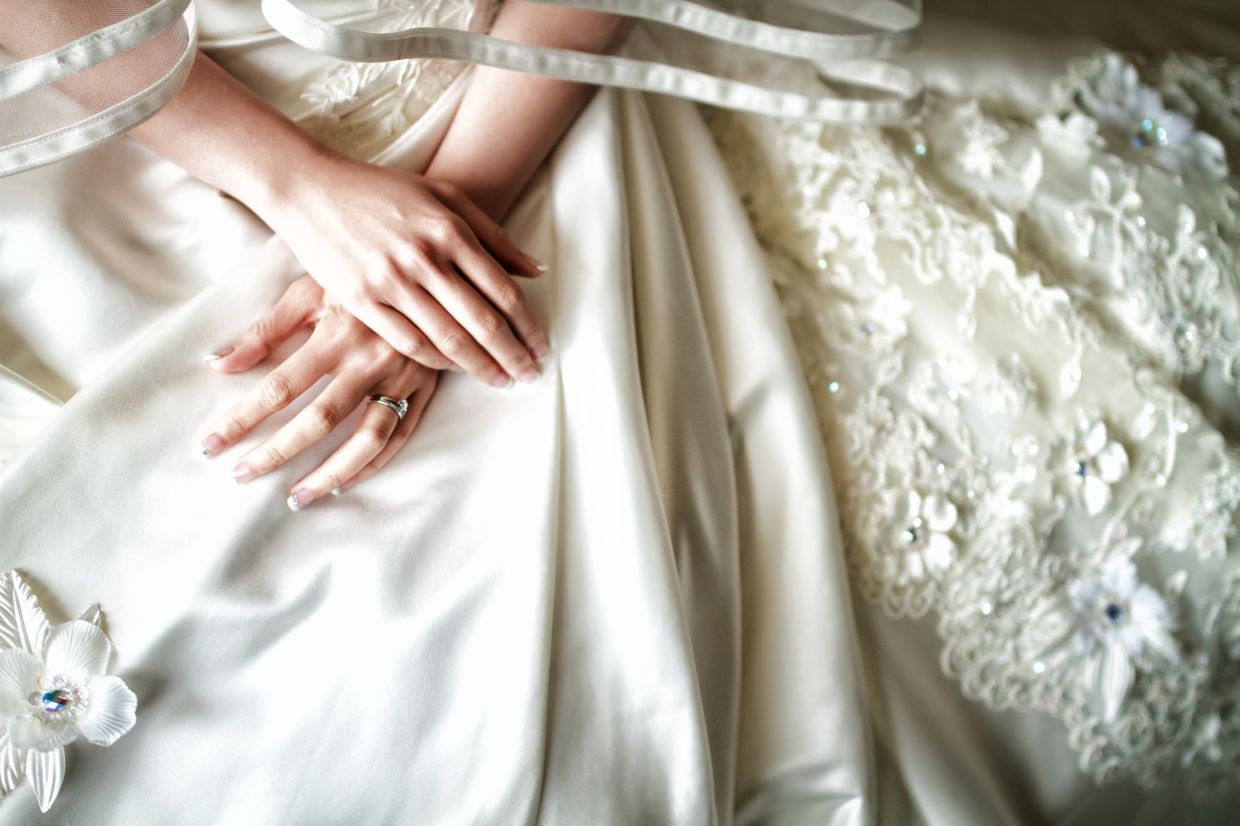
The wedding dress hanging in the back of a closet represents far more than fabric and thread. It is a physical archive of joy, sacrifice, and the intimate moments of another person's life—often a mother's, grandmother's, or some other beloved relative's most carefully preserved memory. For many inheritors facing the question of what to do with such a garment when no daughter or niece will wear it next, the emotional burden can feel surprisingly weighty. This collision between sentiment and practicality has become a modern dilemma that touches upon identity, memory, and the very nature of how we preserve what matters to us across generations.
Clothing, particularly ceremonial pieces like wedding gowns, functions as a portal to the past in ways that few other objects can replicate. A dress absorbs the emotions, experiences, and historical moments of its wearer, becoming almost anthropomorphic in the hands of those who inherit it. When you slip into your mother's wedding gown, you are not merely borrowing cloth; you are stepping into her history, her hopes, and the era in which she married. This profound connection between person and garment explains why disposing of such items triggers guilt and hesitation. The act of throwing away a wedding dress can feel like erasing a chapter from family narrative, almost a betrayal of the love and meaning that the original wearer invested in it.
Yet modern life presents genuine constraints that our ancestors rarely faced. Closet space is finite, storage is expensive, and holding onto every sentimental item eventually becomes impractical. The tension between hoarding and heritage is real, and fashion consultant Cameron Silver, founder of the luxury vintage retailer Decades, acknowledges this delicate balance. Silver, who describes his work as part fashion consultation and part therapy, advises people considering what to do with inherited garments to ask themselves honest questions: Does it fit my current life? Will I realistically wear it again? And most tellingly, how would I feel if it were lost? These questions help separate true heirlooms from items kept purely out of guilt.
For those unwilling to part with the dress entirely, transformation offers one compelling pathway. The original gown might be refashioned into a christening outfit for a future grandchild, a cocktail dress, or incorporated into a quilted wall hanging that preserves the fabric while releasing it from its original purpose. This approach honours the garment's history while giving it fresh relevance. However, transformation carries its own risks—something intrinsic may be lost in the transition, and the dress can no longer serve its original ceremonial function. The decision to alter an heirloom requires careful consideration of whether the sentimental value attached to the specific form outweighs the desire for continued use.
Donation presents another alternative that transforms a personal memory into community benefit. Organisations like Brides Across America specialise in connecting donated wedding gowns with engaged military personnel and emergency medical workers who might otherwise lack access to formal bridal wear. This path allows an inherited dress to generate new joy and significance while leaving the original family home. Emily Spivack, who documents garment histories, advocates for attaching a written provenance note to donated dresses so the next wearer understands the garment's background. This practice transforms a donation into a gift of story, extending the emotional narrative beyond the original family circle.
Documentation offers a middle path that preserves memory without requiring physical storage. Workshops led by experts like Spivack bring together people with significant family garments to photograph, describe, and record the stories attached to them. Participants photograph the dress from multiple angles, write about its history and the person who wore it, and sometimes record family members sharing memories about the wedding itself. This process creates an archival record that family members can access and share indefinitely, while allowing the physical dress to be donated, sold, or repurposed. Many people report feeling emotionally satisfied after documenting—the story is secured, and letting go of the physical object becomes psychologically easier.
Academic institutions have recently begun recognising the profound value of ordinary wedding dresses as historical documents. Major universities including Smith College, Drexel University, Ohio State University, and Cornell University now maintain fashion collections that include hundreds of wedding gowns, selected specifically for what they reveal about women's lives, design practices, and historical circumstances. Unlike traditional costume museums that prioritise rare textiles or canonical design innovations, these academic collections treat everyday garments as primary sources for understanding the past. Cornell University's Fashion + Textile Collection, for instance, houses nearly 350 wedding gowns and wedding-related accessories among its 11,000 objects, each piece telling stories about its maker and era.
These university collections demonstrate how a seemingly ordinary dress can illuminate broad historical narratives. Consider a 1942 wedding gown created by British dressmaker Cylka Berke for her own wedding during wartime London. Berke designed the dress to maximise available yardage while minimising cut waste—a practical necessity under wartime rationing. The gown, made from rayon rather than silk (which the military commandeered for parachutes and escape maps), has retained a remarkably bright white colour across eight decades, a specific historical detail that transcends its original wearer. The dress documents wartime sacrifice, design ingenuity, and how ritual persisted amid strife. Few people today know Cylka Berke's name, yet her wedding dress articulates her life and times to students and researchers generations later.
The choice to donate a family wedding dress to an academic institution offers particular advantages for those seeking meaningful legacy. A gown housed in a university collection becomes accessible to scholars, students, and the public indefinitely. It may be photographed for exhibition, studied in fashion and history courses, and consulted by researchers investigating specific eras or design techniques. Rather than residing in a private closet where it slowly fades from family memory, the dress enters a permanent record, potentially valued and examined long after all who knew the original wearer have passed. For those motivated by the desire to contribute to collective historical understanding, this option aligns personal memory with broader cultural education.
Ultimately, no single correct answer exists for every inherited wedding dress. The decision depends on individual circumstances, the strength of family attachment, the condition of the garment, and what the inheritor genuinely envisions for the future. Some dresses will be worn by daughters or grandchildren, perpetuating an unbroken chain of ceremonial use. Others may be transformed into new creations that respect their origins while serving contemporary needs. Still others will find second lives with strangers whose joy matters just as much as the original wearer's. And some will move into academic preservation, where their humble ordinariness becomes extraordinary evidence of how people lived, worked, and celebrated across time.
What matters most is making a deliberate, thoughtful decision rather than defaulting to guilt-driven hoarding or hasty disposal. Whether you choose to keep, transform, donate, document, or place the dress in institutional care, the act of consciously engaging with its significance honours both the person who wore it and your own emotional relationship to family history. In an era of fast fashion and disposability, the impulse to carefully consider what we keep and why we keep it represents a quiet form of resistance. A wedding dress, treated with intentionality rather than neglect, becomes a bridge connecting past to future—even if that bridge takes an unexpected form.

