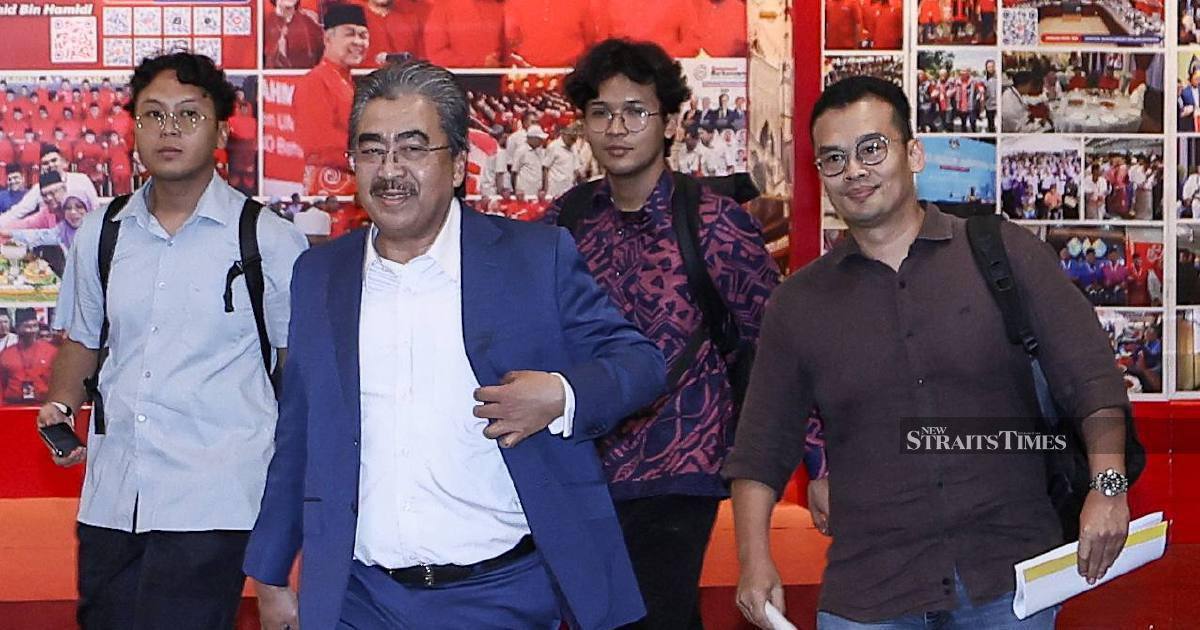
Deputy Prime Minister Zahid Hamidi convened a closed-door briefing session at Umno headquarters in Kuala Lumpur to discuss the declassified findings of the Royal Commission of Inquiry investigating Lembaga Tabung Haji. The special session drew senior figures from both Barisan Nasional coalition parties and their political rivals in Perikatan Nasional, signalling the significance and cross-partisan nature of concerns surrounding the pilgrim fund management body.
The decision to brief opposition leadership alongside government-aligned parties underscores the broader political importance of the RCI's conclusions. Lembaga Tabung Haji manages one of Malaysia's most critical financial institutions, overseeing billions in savings accumulated by hundreds of thousands of Malaysian Muslims preparing for their Hajj pilgrimage. Any findings regarding mismanagement or governance failures carry substantial weight beyond routine government matters, touching on public trust and fiduciary responsibility.
The Royal Commission of Inquiry was established to investigate significant concerns that had emerged regarding Lembaga Tabung Haji's operations and financial stewardship. Over the preceding years, various irregularities and management questions had surfaced publicly, prompting calls for a comprehensive independent examination. The RCI's mandate extended to examining governance structures, investment decisions, and administrative practices within the organisation.
The declassification of the RCI report represents a deliberate move toward transparency regarding the inquiry's findings. Previously confidential information being made available to parliamentary leadership reflects a commitment to ensuring elected representatives understand the commission's conclusions and recommendations. Such briefings typically precede broader public disclosure or parliamentary debate, allowing political leaders to absorb technical details and prepare appropriate responses.
For Malaysian observers, the involvement of both government and opposition leaders in this briefing carries distinct implications. It suggests that remedial measures or policy responses emerging from the RCI findings may require broad-based political support to implement effectively. Reform initiatives affecting a major public financial institution often necessitate legislative changes or regulatory adjustments that benefit from cross-party consensus.
The Lembaga Tabung Haji's significance extends throughout Southeast Asia's Muslim communities, as many regional residents maintain accounts with the Malaysian institution. Problems within Tabung Haji therefore resonate beyond domestic boundaries, affecting confidence in how Malaysia manages Islamic financial institutions. The region looks to Malaysia as a benchmark for Islamic finance governance, making the institution's integrity a matter of regional economic importance.
Previous media coverage had highlighted investments made by Tabung Haji in properties and projects that raised questions about asset allocation and risk management. The RCI inquiry would have examined whether these decisions aligned with the fund's fiduciary obligations to members, considering both regulatory compliance and prudent stewardship of pilgrim savings. Understanding the commission's assessment of these matters remains critical for stakeholders.
The timing of this briefing occurs within a broader context of Malaysian governance reform initiatives. The government has emphasised transparency and accountability improvements across public institutions. Conducting leadership briefings on sensitive institutional matters before public disclosure aligns with this broader reform narrative, though it also reflects traditional practices of privileging elected representatives with information before general release.
Lembaga Tabung Haji members—numbering in the hundreds of thousands—represent a substantial political constituency with direct personal stakes in the institution's financial performance and governance standards. Any RCI recommendations addressing management improvements, investment practices, or structural reforms would ultimately affect these account holders' security and returns. The briefing's cross-partisan nature suggests recognition that public confidence restoration requires unified political leadership.
The closed-door nature of this particular briefing indicates that detailed discussions remain confidential pending formal public announcement. This approach allows leadership to discuss sensitive findings candidly, consider complex policy implications, and coordinate messaging strategies before broader disclosure. Malaysian political tradition typically follows this pattern for matters involving significant public institutions under scrutiny.
Moving forward, the RCI report's formal publication and parliamentary discussion will likely follow this leadership briefing. The inquiry's specific recommendations regarding governance reforms, management accountability, or structural changes will shape Lembaga Tabung Haji's future operational framework. For millions of Malaysian Muslims depending on the fund for their pilgrimage preparations, the implementation of these recommendations will determine whether the institution successfully addresses identified deficiencies.
The inclusion of Perikatan Nasional representatives in this briefing, despite their opposition status, reflects Malaysia's parliamentary convention of ensuring all significant political parties understand major governance matters affecting national institutions. This inclusive approach, while politically pragmatic, also serves a substantive purpose by enabling broader institutional knowledge and potentially smoother implementation of necessary reforms across political transitions.

