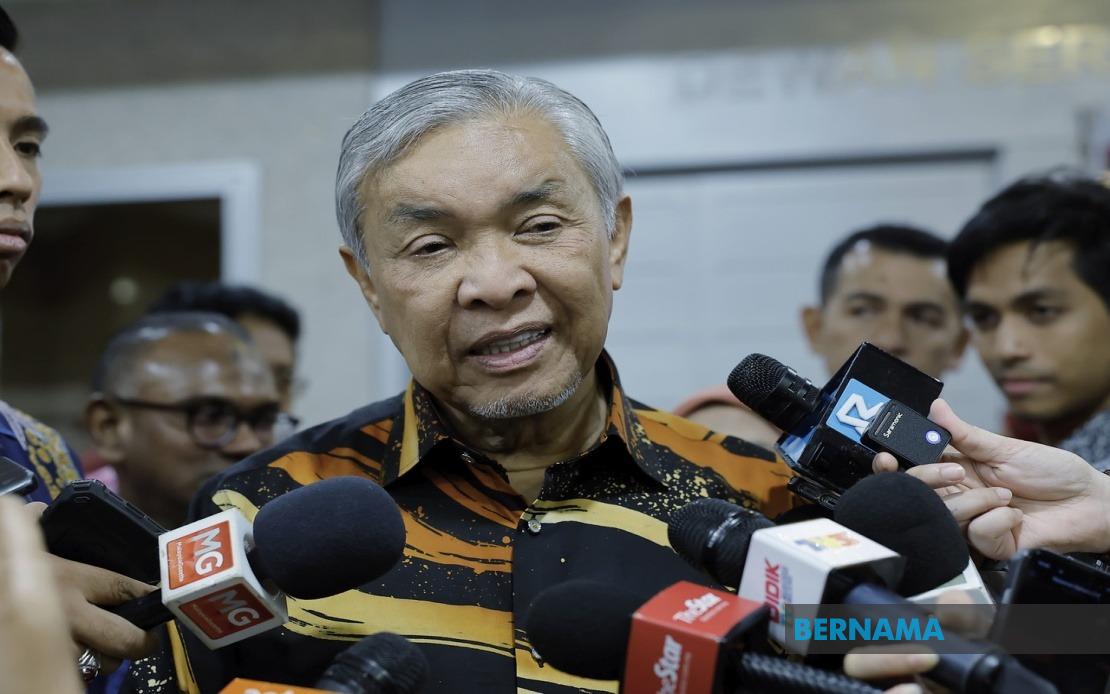
Malaysia's ruling coalition has stiffened its resolve against misconduct at Tabung Haji, with Barisan Nasional chairman and Deputy Prime Minister Datuk Seri Dr Ahmad Zahid Hamidi declaring that neither the party nor UMNO will accept lapses in governance or fiduciary duty at the pilgrimage savings fund. Speaking after the Rural and Regional Development Ministry's monthly coordination meeting in Putrajaya on Tuesday, Ahmad Zahid underscored that officials implicated in breaches of trust or administrative failures must face consequences without exception or mitigation.
The forceful statement arrives as Parliament prepares for a special sitting scheduled for August 11 to deliberate the findings and recommendations stemming from the Royal Commission of Inquiry into Tabung Haji's operations. The RCI's investigation, which examined the fund's stewardship during the six-year period from 2014 to 2020, uncovered a troubling pattern of questionable investment decisions, concealed transactions, and withheld information that collectively contributed to substantial erosion of the institution's asset base. The commission released its comprehensive report on July 29, triggering immediate calls for systemic reform and individual accountability.
The Royal Commission's investigation represents the most exhaustive official examination of Tabung Haji's internal workings in recent memory, and its conclusions carry significant implications for how Malaysia manages one of its most important Islamic financial institutions. With millions of Malaysian Muslims relying on the fund as a dedicated savings vehicle for the Hajj pilgrimage—one of Islam's five pillars—breaches of stewardship strike at both religious trust and national financial integrity. The discovery of suspicious transactions and information concealment suggests that governance failures extended beyond mere administrative oversight into potential deliberate malfeasance, a distinction that carries grave consequences for those involved and the institution itself.
Ahmad Zahid's unequivocal rejection of any tolerance for wrongdoing signals that the ruling coalition recognizes the political and moral gravity of the situation. By emphasizing that accountability cannot be negotiated away regardless of the seniority or connections of those involved, he implicitly addresses concerns that political patronage networks might shield culprits from consequences. Such assurances carry particular weight in Malaysian politics, where perceptions of unequal application of accountability standards have frequently fueled public cynicism about institutional integrity. The deputy prime minister's remarks suggest an attempt to reassure both the Muslim community specifically and taxpayers more broadly that Tabung Haji will be reformed rather than whitewashed.
The RCI's recommendation for a forensic audit into investment decisions during the period under investigation signals that the inquiry process itself remains incomplete. A forensic audit would deploy specialized financial investigative techniques to reconstruct the chain of decision-making, identify specific transactions warranting scrutiny, and establish patterns of potential misconduct. This detailed examination could reveal whether questionable investments resulted from incompetence, negligence, or intentional misappropriation—a distinction critical both for criminal prosecution and civil recovery. The audit would likely also examine approval processes, documentation standards, and the role of board oversight mechanisms, essentially dissecting the institutional culture that permitted such failures to occur.
The August 11 parliamentary session will represent a crucial moment for Malaysia's political establishment to demonstrate genuine commitment to institutional reform. Rather than serving as a performative exercise, the debate should address not merely individual culpability but systemic vulnerabilities that permitted misconduct to flourish undetected across multiple years. Questions will inevitably arise regarding the adequacy of existing regulatory frameworks, the independence of internal oversight mechanisms, and whether external auditors and Bank Negara Malaysia's supervisory functions operated with sufficient rigor. For Malaysian investors in Tabung Haji—particularly those in lower and middle-income brackets for whom the fund represents a significant savings commitment—parliamentary scrutiny must translate into concrete remedial measures.
The implications for Southeast Asian Islamic finance extend beyond Tabung Haji itself. Malaysia has positioned itself as a regional leader in Islamic financial innovation and governance standards, with its institutions serving as models for other Muslim-majority nations and diaspora communities. A governance failure of this magnitude at such a prominent institution potentially undermines confidence in Islamic financial architecture across the region and raises questions about supervisory effectiveness. How Malaysian authorities address the Tabung Haji scandal will signal to regional and international observers whether Islamic financial institutions in the jurisdiction operate under equivalent governance standards to their conventional counterparts, or whether religious framing permits relaxed accountability.
The political context surrounding Ahmad Zahid's statement merits examination as well. As deputy prime minister and senior coalition figure, his emphatic stance on accountability reflects both genuine concern for institutional integrity and shrewd political calculation. Appearing resolute against corruption serves the coalition's broader reputational interests, particularly given public sentiment regarding governance failures in recent years. Yet sustaining such rhetoric through actual implementation—particularly if investigations implicate politically connected figures—will determine whether these pronouncements represent authentic commitment or strategic posturing. The credibility of Malaysia's political system depends substantially on whether statements like Ahmad Zahid's translate into proportionate consequences for all implicated parties.
Moving forward, several practical questions demand attention. The forensic audit must operate with genuine independence and adequate resourcing to fulfill its mandate. Criminal investigations, if warranted, must proceed through the normal justice system without political interference or selective prosecution. Civil recovery proceedings should seek to restore funds to Tabung Haji and ultimately to affected contributors. Furthermore, institutional reforms should address governance structures, risk management frameworks, and auditor independence to prevent recurrence of similar failures. The parliamentary debate offers an opportunity to establish bipartisan consensus on these remedial measures, demonstrating that concerns for institutional integrity transcend partisan politics.
For Malaysian stakeholders in Tabung Haji, the unfolding accountability process will ultimately determine whether the institution emerges strengthened or further damaged. The fund's credibility rests not merely on recovering financial losses but on demonstrating that systematic failures have been genuinely corrected and that future stewardship will meet exacting standards. Ahmad Zahid's declaration of zero tolerance must now be tested through implementation, establishing whether Malaysia's political system can hold even powerful figures accountable when institutional trust has been breached. The August 11 parliamentary session and subsequent investigations will reveal whether such promises prove substantive.

