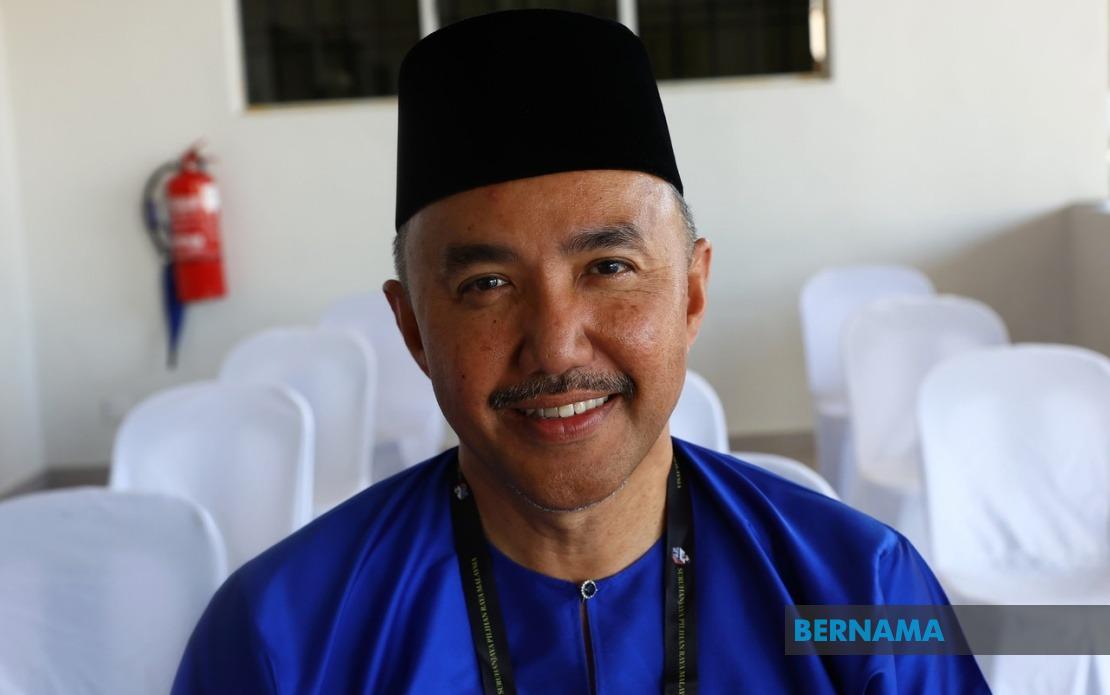
Barisan Nasional enters the 16th Johor state election with considerable optimism about securing decisive backing from Federal Land Development Authority communities, particularly within the Kulai parliamentary constituency where nearly 7,000 FELDA voters are concentrated across four strategic settlements. According to Kulai BN chairman Datuk Mohd Jafni Md Shukor, the coalition's confidence stems from tangible improvements in state-level support for FELDA communities over the past four years, reversing a pattern of declining performance that had troubled the coalition in previous electoral contests.
The FELDA settlements in question span multiple constituencies within the broader Kulai area. FELDA Taib Andak, FELDA Inas, and FELDA Bukit Permai operate within the Bukit Permai state constituency, while FELDA Bukit Batu sits in the separate Bukit Batu state seat. This geographic distribution means FELDA voters exercise significant influence across multiple electoral battlegrounds, making their preferences crucial to overall election outcomes. Jafni, who personally defends the Bukit Permai seat against three challengers, recognised the symbolic and practical importance of consolidating FELDA support as part of BN's broader retention strategy.
The coalition's renewed confidence contrasts sharply with its historical performance among FELDA communities. The 2018 state election delivered a particularly severe blow, with FELDA areas swinging decisively against BN amid widespread dissatisfaction over welfare provisions and perceived neglect of settler concerns. Though some recovery materialised in the 2022 general election, the damage from 2018 remained evident in reduced majorities and competitive contests where BN previously held commanding leads. This history provides context for why current state leadership has prioritised explicit attention to FELDA grievances and programmatic responses.
Menteri Besar Datuk Onn Hafiz Ghazi's administration has concentrated on addressing accumulated welfare deficits and resolving structural issues affecting settlement viability. Educational assistance represents one tangible commitment, channelled through the Johor Education Foundation (YPJ), which provides direct support to FELDA children pursuing schooling. Such targeted programmes address immediate household financial pressures, particularly affecting families where education costs constrain economic mobility. By positioning education funding as government priority, state leadership signals responsiveness to generational concerns among settler families.
Beyond welfare programmes, the Johor government has tackled a longstanding administrative burden that had poisoned settler sentiment for decades. Land title issues—the legal documentation certifying ownership and protecting settler assets—had accumulated unresolved throughout FELDA's institutional history, creating anxiety among settlers whose tenure security remained technically ambiguous. The state's achievement in resolving 99.9 percent of outstanding ownership applications represents a substantive administrative accomplishment with direct psychological impact on affected communities. Settlers who obtain clear title documentation experience tangible reassurance about asset protection and intergenerational inheritance rights, transforming abstract state promises into concrete legal instruments.
Jafni framed the election contest as fundamentally about granting the state government a renewed mandate to deepen ongoing development initiatives. He argued persuasively that a single term, despite meaningful progress, provides insufficient time to implement comprehensive programmes addressing accumulated settler needs. This messaging acknowledges that FELDA communities have legitimate grievances rooted in historical underdevelopment and that sustained commitment, demonstrated through consecutive electoral cycles, signals genuine government dedication rather than opportunistic attention. The appeal for a second term thus becomes less about demanding loyalty and more about recognising that meaningful transformation requires patient, consistent implementation.
The Bukit Permai state seat, where Jafni stands for re-election, epitomises the competitive environment across Kulai's three constituencies. He confronts a genuinely contested race against four opponents: Muhammad Aidil Riduan Mohd Yusof representing Parti Bersama Malaysia, Mohamad Shafwan Ani fielded by Pakatan Harapan, and M. Lina Manoh standing for Perikatan Nasional. This fragmented opposition might theoretically benefit BN's vote-splitting dynamics, yet each challenger represents distinct political narratives potentially resonating with specific voter segments. Jafni's 2022 majority of 4,755 votes, while respectable, provides no cushion against well-mobilised alternative campaigns, especially if FELDA enthusiasm moderates from coalition expectations.
Pakatan Harapan's participation introduces particular significance given the coalition's historical appeal to rural constituencies seeking reform narratives and alternative governance approaches. Perikatan Nasional, meanwhile, combines religious and developmental messaging that has demonstrated capacity to mobilise Malay-Muslim rural voters in peninsular constituencies. Parti Bersama Malaysia, while newer to mainstream electoral competition, brings fresh political branding unburdened by incumbent accountability or historical baggage that might resonate with voters seeking genuinely novel alternatives. BN's confidence ultimately rests on calculations that welfare improvements and administrative achievements sufficiently outweigh these alternative appeals.
The electoral timeline concentrates campaign intensity sharply. Early voting occurs on July 7, with primary polling scheduled for July 11, providing barely a week for final voter persuasion activities and messaging reinforcement. For FELDA voters specifically, this compressed schedule means existing impressions of government performance, personal experiences with welfare programmes, and local candidate relationships will substantially determine outcomes rather than late campaign developments. BN's strategy evidently assumes that accumulated goodwill from past initiatives translates directly into electoral behaviour when voters enter polling booths.
Beyond the immediate Kulai contest, FELDA voter behaviour carries broader implications for the overall Johor election. These settlements exist throughout multiple constituencies across the state, making their collective voting patterns significant to BN's statewide performance. If the coalition successfully reconstructs FELDA support to pre-2018 levels, the electoral impact could prove decisive across numerous marginal seats. Conversely, if FELDA communities remain sceptical despite recent improvements, BN faces sustained electoral vulnerability in rural constituencies where FELDA settlements traditionally anchored coalition support.
The strategic emphasis placed on FELDA communities also reflects broader Malaysian political realities about rural voter significance. Despite urbanisation trends, rural constituencies maintain disproportionate electoral weight within state legislatures and federal parliaments, making settler communities and agricultural constituencies essential to any party aspiring to governance. FELDA's particular importance stems from the organisation's capacity to aggregate and mobilise voters through institutional structures, creating communities where collective communication and coordinated messaging remain feasible in ways increasingly difficult in dispersed urban settings. Control of FELDA support thus translates into tangible electoral advantages beyond mere vote counts.
Looking forward, the July 11 election will definitively measure whether Johor's state government has successfully rebuilt FELDA trust or merely masked underlying dissatisfaction through tactical initiatives. The four-cornered contests across multiple constituencies create opportunities for opposition parties to fragment anti-BN sentiment, potentially benefiting the incumbent coalition. However, genuine restoration of settler confidence would produce clear BN majorities that transcend mathematical vote-splitting advantages. Jafni's personal contest in Bukit Permai will provide early indicators of whether the coalition's FELDA strategy has resonated or whether alternative narratives have gained purchase among settler voters.

