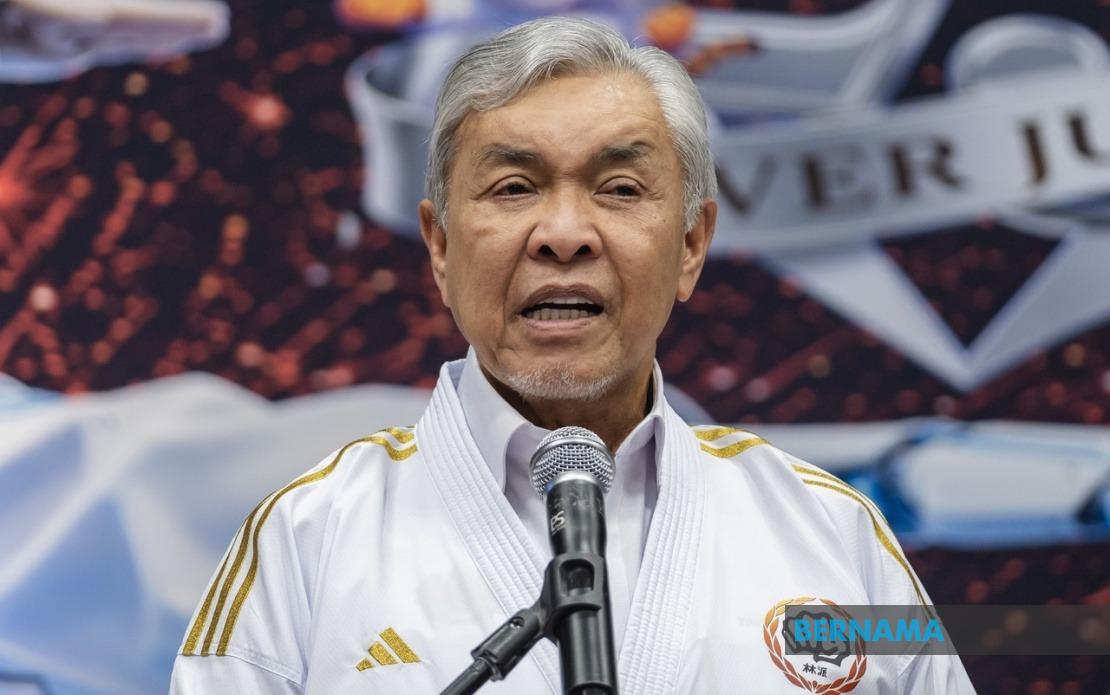
Barisan Nasional has adopted a diplomatic stance regarding recent departures from its ranks, with coalition chairman Datuk Seri Dr Ahmad Zahid Hamidi emphasising respect for members' autonomy as the alliance mobilises for the upcoming Johor state election scheduled for July 11. Speaking in Kuala Lumpur on June 26, the UMNO president signalled that the coalition would not take punitive action against those choosing to exit, framing the situation as a natural exercise of individual rights within the broader political process.
The timing of these resignations underscores the fluid nature of Malaysian coalition politics in the lead-up to crucial state contests. Two prominent figures have announced their departures in quick succession, with former UMNO Supreme Council member Datuk Dr Mohd Puad Zarkashi announcing his resignation on June 25, citing a desire for greater freedom of expression. Separately, Layang-Layang assemblyman Abd Mutalip Abd Rahim followed suit, leaving UMNO to join Bersatu, which operates within the Perikatan Nasional framework. These moves reflect ongoing tensions within traditional Malay-Muslim political formations as they compete for influence and navigate factional dynamics ahead of state-level contests.
Ahmad Zahid's measured response suggests BN's leadership is attempting to project stability despite these departures. Rather than adopting a confrontational posture, the Deputy Prime Minister chose to acknowledge members' contributions and wish them well, a strategic choice that may be designed to prevent additional defections or negative publicity during the critical campaign period. This approach contrasts with more aggressive responses sometimes seen in Malaysian politics, potentially reflecting calculations about maintaining party discipline and public image as voters prepare to cast ballots.
The resignation of Mohd Puad carries particular symbolic weight given his position within UMNO's upper echelons. His announcement on Facebook, emphasising voluntary departure and the right to express views freely, suggests ideological or policy disagreements rather than mere opportunistic party-hopping. His decision to step away without immediately joining another political vehicle indicates he may be seeking distance rather than alternative partisan affiliation, which could reflect broader discontent within UMNO's ideological base. Ahmad Zahid's acknowledgment of this figure's historical contributions suggests an attempt to preserve relationships and avoid deepening internal rifts that could damage BN's electoral prospects.
The movement of Abd Mutalip to Bersatu is more directly consequential for parliamentary mathematics and state-level representation. Bersatu's position within Perikatan Nasional places it in direct opposition to BN in coalition terms, though Malaysia's volatile political landscape has repeatedly demonstrated the fluidity of such alignments. The fact that an incumbent assemblyman would switch allegiances during an election cycle indicates either significant personal grievances, advantageous negotiations, or calculations about which political vehicle offers better prospects for future advancement. For Johor specifically, such moves could affect both BN's numerical strength and the competitive dynamics of individual constituencies.
The nomination period for the Johor election closes June 27, compressed into a notably brief window that limits candidates' ability to conduct extensive campaigning before the July 11 polling date. This tight timeline means that disruptions caused by mid-campaign resignations carry amplified significance, as parties have limited opportunity to reorganise candidates and messaging. BN's decision to maintain focus on its 56 nominated candidates rather than become embroiled in disputes about departing members reflects pragmatic prioritisation of available resources and messaging bandwidth during this constrained campaign phase.
For Malaysian voters and regional observers, these departures illustrate the persistent challenges facing established political coalitions in maintaining cohesion while adapting to evolving political preferences. UMNO, as BN's dominant component, has experienced multiple waves of internal restructuring and membership volatility in recent years. The loss of former Supreme Council members, however qualified the language used by leadership, suggests continuing difficulty in retaining prominent figures within traditional hierarchies. Whether these represent principled stands or calculated repositioning remains subject to interpretation, but the pattern indicates ongoing competition for political space within the Malay-majority voting bloc.
The Johor election carries significance beyond state-level governance, as results will provide indicators about voter sentiment toward BN's broader positioning and internal stability. Johor has historically served as a BN stronghold, and performance in this state offers insight into whether the coalition's traditional support base remains resilient. Recent years have seen shifting alliances and defections affect BN's grip on various state governments, making electoral validation in traditional heartlands particularly important for demonstrating continued relevance. Ahmad Zahid's emphasis on unified support for Johor BN candidates under Datuk Onn Hafiz Ghazi's leadership suggests recognition that electoral success requires projecting confidence and coherence despite behind-the-scenes tensions.
The approach adopted by BN's leadership also reflects broader strategic calculations about managing political narratives in an increasingly competitive media environment. Rather than engaging in public disputes with departing members, maintaining a conciliatory tone may reduce negative news cycles and allow the coalition to direct its communications apparatus toward positive messaging about governance records and policy platforms. In an era where social media amplifies political discord, choosing de-escalation over confrontation represents a deliberate choice about the type of campaign BN wishes to conduct during this critical window.
Looking forward, these developments suggest that Malaysian political coalitions continue evolving in response to both structural incentives within the parliamentary system and shifting ideological preferences among their respective bases. The sophistication with which BN's leadership has handled these departures, avoiding inflammatory rhetoric while maintaining organisational focus, indicates maturation in managing intra-coalition challenges. However, the recurring nature of such departures also points toward unresolved tensions that may require deeper strategic reckoning beyond the immediate electoral cycle, particularly regarding how traditional coalitions can adapt their ideological frameworks and inclusive capacity to retain prominent voices.

