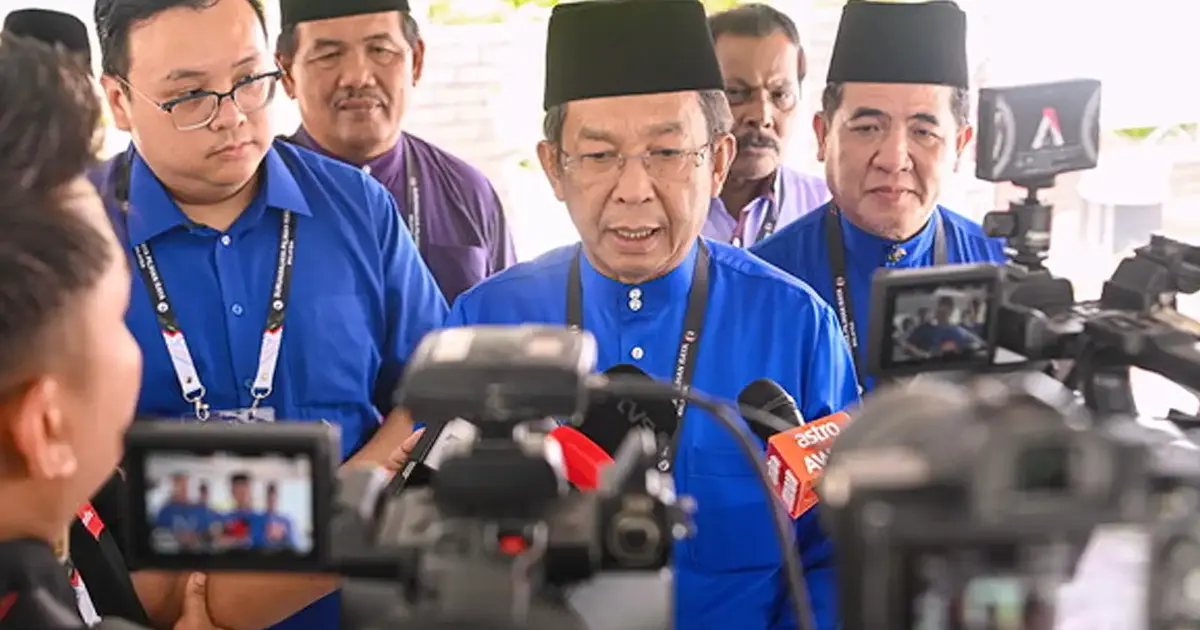
Barisan Nasional will postpone naming its menteri besar candidate for Negeri Sembilan until the coalition has secured election victory, according to Jalaluddin Alias, the state Umno chief. The approach reflects a deliberate strategy of maintaining flexibility in leadership discussions until electoral outcomes are confirmed, avoiding premature announcements that could complicate campaign dynamics.
Jalaluddin's statement underscores a pragmatic calculation within the coalition about sequencing critical decisions. By deferring the formal announcement, BN sidesteps potential internal disputes over candidacy whilst projecting confidence about winning the state government. The delayed decision-making process also provides time for assessing which candidate might command broader support among elected representatives, depending on which constituencies the coalition ultimately captures.
The Negeri Sembilan Umno chief emphasised that multiple leaders within the party and broader BN machinery possess the credentials and capability necessary to lead the state administration effectively. This position signals that the coalition has developed sufficient bench strength, reducing pressure to commit to a single contender at this stage. The emphasis on having several qualified options serves both as reassurance about governance capacity and as a cushion against divisive nomination processes.
In Malaysian politics, the practice of delaying menteri besar selections until after elections is not uncommon, particularly when coalitions anticipate competitive contests or when internal party dynamics require careful navigation. The approach allows winning coalitions to leverage the composition of elected assemblypersons in determining leadership, ensuring that the chosen candidate enjoys adequate legislative support. This pragmatism reflects lessons learned from previous state elections where premature announcements created friction or became liabilities during campaigns.
For Negeri Sembilan specifically, the deferral strategy carries particular significance given the state's political history and demographic considerations. The state has experienced leadership transitions and political shifts that have shaped how major coalitions approach succession planning. BN's current approach signals confidence whilst maintaining the flexibility that volatile electoral environments often demand. The coalition's apparent stability in Negeri Sembilan contrasts with fiercer competition witnessed in other states, yet prudent leadership remains strategically sound.
The timing of such announcements carries weight in Malaysian electoral campaigns. Voters often respond to perceptions of decisiveness, yet premature leadership declarations can also alienate constituency leaders who harbour ambitions or generate speculation about consultation processes. By keeping multiple candidates in the frame until results materialise, BN potentially preserves goodwill across factions whilst demonstrating that final decisions will reflect the will of winning representatives. This approach treats the election outcome itself as informing subsequent leadership choices.
Within the broader context of Malaysian coalition politics, BN's strategy reflects confidence in its campaign machinery and ground organisation. The coalition has governed Negeri Sembilan for extended periods and maintains deep institutional roots in the state. The willingness to defer leadership decisions suggests faith that winning configurations will emerge clearly from ballot results, allowing for decisive action immediately thereafter. This contrasts sharply with situations where coalitions face genuine uncertainty about electoral outcomes.
Jalaluddin's public statement also serves to communicate internally within Umno and across BN component parties about the decision-making framework. By emphasising that multiple candidates stand ready, he validates various aspirants without creating losers before voting occurs. This can help maintain party cohesion throughout the campaign period, ensuring that different factions and leaders remain energised about the coalition's prospects rather than becoming demoralised about perceived unfavourable positioning.
For Malaysian voters in Negeri Sembilan, this deferred approach means the election itself becomes the primary decision point about the state's direction, rather than being overshadowed by pre-determined leadership contests. Voters can focus on the coalitions' policy platforms and local candidates' capabilities without the distraction of menteri besar selections that might oversimplify complex electoral decisions into leadership personality contests. The shift of emphasis back toward substantive governance questions serves broader democratic discourse in the state.
The statement also reflects how BN's approach differs from opposition strategies, where detailed succession planning and leadership commitments are sometimes announced earlier. Different political philosophies about timing and transparency shape these divergent approaches. BN's preference for post-election decision-making allows adaptation to actual electoral results, whilst emphasising the importance of winning before settling leadership questions. This philosophical difference occasionally becomes a campaign issue itself.
Moving forward, this position places responsibility on the coalition to deliver electoral victory, after which the leadership selection process becomes possible. The public commitment to decide only after winning creates accountability that leaders cannot evade through claims of uncertainty. Simultaneously, it preserves options that volatile political environments occasionally require, allowing BN to adjust if unexpected developments alter state politics significantly.
For regional observers and Malaysia's broader political landscape, BN's measured approach in Negeri Sembilan illustrates how established coalitions navigate leadership succession in competitive federalised systems. The state election will test whether the coalition's confidence translates into actual victories and whether the pool of leadership candidates remains robust after results materialise. The eventual selection process, whenever it occurs, will reveal both which candidates secured strongest electoral mandates and which personalities command support among elected representatives.

