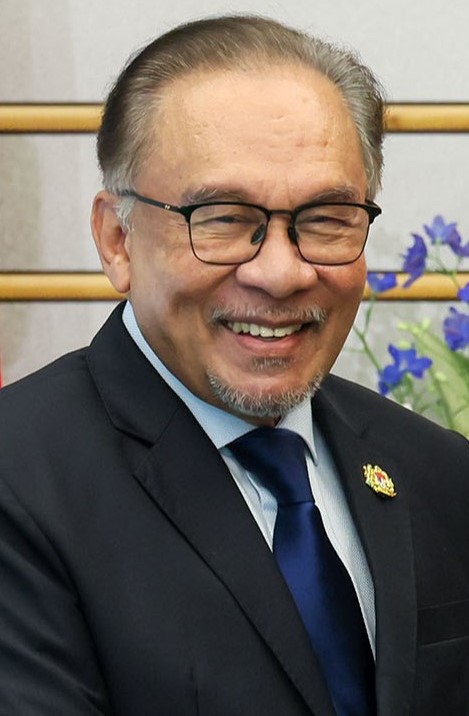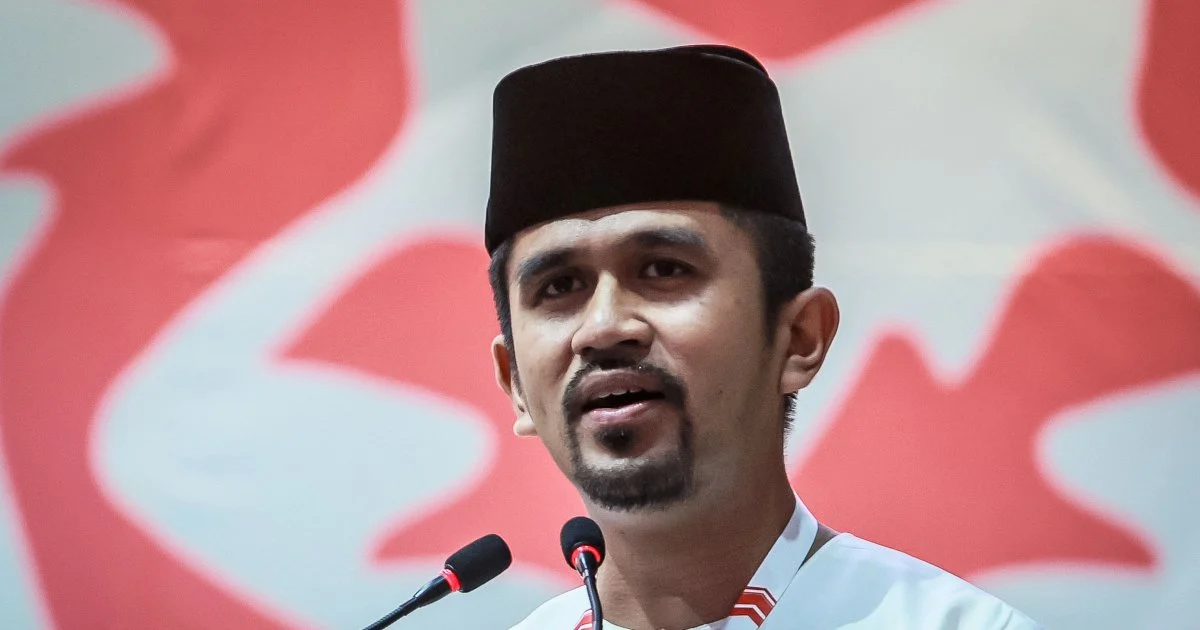
Barisan Nasional Youth secretary-general Hafiz Ariffin has questioned why prominent Pakatan Harapan figures from Johor have been left out of the opposition coalition's candidate nominations for the July 11 state election, signalling potential tension within the bloc on the eve of polling day.
The BN youth leader's intervention reflects a calculated political move by the ruling coalition to exploit what may be divisions or strategic reshuffling within PH's Johor operations. By publicly highlighting the absence of recognizable senior figures, Hafiz has attempted to frame the situation as either a sign of leadership discord or a damaging loss of experience at a critical electoral moment.
The decision to exclude established PH personalities from Johor's slate raises substantive questions about the opposition's campaign strategy in the southern state. Johor, historically a BN stronghold with significant economic and political weight, has become increasingly competitive in recent electoral cycles, particularly following the 2018 watershed election. Any perception of instability or unclear direction within PH could undermine its efforts to consolidate support among voters still evaluating their choices.
For Malaysian political observers, the timing of Hafiz's criticism is noteworthy. Election campaigns frequently feature such public questioning of rival parties' choices, yet the specific targeting of leadership absences suggests BN believes this particular gap represents genuine vulnerability worth exploiting. This approach aims to shift voter attention from BN's own record toward questions about PH's internal coherence and depth of talent pool.
PH's decision to reshape its Johor candidate roster may reflect practical considerations—including generational renewal, the need to accommodate diverse coalition partners, or recalibrating representation from different districts. However, without clearer public communication from PH leadership about the rationale, such strategic choices risk being interpreted as indecision or erosion of confidence in previously prominent figures. In electoral contests, perception often carries weight equal to or greater than reality.
The Johor election holds particular significance for Malaysian politics at the national level. As one of the country's most populous and economically important states, and as a traditional BN heartland where Umno maintains deep organizational roots, outcomes in Johor can signal broader shifts in voter sentiment that ripple across federal politics. A strong showing by either coalition would carry implications well beyond the state itself, potentially influencing the trajectory of national political competition.
Hafiz Ariffin's role as Umno Youth secretary-general adds weight to his statements, positioning the intervention as part of a coordinated BN campaign rather than isolated commentary. Umno Youth represents a significant mobilization force within Barisan Nasional, particularly effective at grassroots levels and among younger voters. Its engagement in questioning PH's candidate selection suggests the ruling coalition is pursuing a multi-dimensional campaign that targets not only policy platforms but also opposition organizational readiness.
For PH leaders in Johor, the public scrutiny over candidate omissions adds pressure to articulate clear messaging about their vision for the state. Whether the absent senior figures represent a deliberate strategic step backward or were excluded for other reasons, the coalition faces a communication challenge. Failure to address such questions effectively allows opponents to define the narrative around leadership transitions and party direction during a critical electoral phase.
The broader context of Malaysian coalition politics matters here as well. PH itself represents an alignment of several political parties with sometimes divergent interests and regional power bases. Managing such coalition dynamics while presenting a unified, confident face to voters in individual states requires careful coordination. If tensions exist within the Johor component of PH around candidate selection, Hafiz's comments may have struck a nerve precisely because they echo internal concerns within the opposition.
Electorally, the implications could be meaningful. Johor voters typically pay attention to signals about candidate quality and leadership continuity. If prominent figures have been benched without convincing explanation, some supporters might question whether PH is adequately resourced or focused to effectively govern the state. Conversely, if PH can frame its candidate choices as a deliberate, forward-looking renewal, it may position the party as modern and willing to invest in new talent.
The July 11 election represents an important test of voter sentiment in a state that will significantly shape Malaysia's political landscape through the remainder of this electoral cycle. BN's decision to highlight what it perceives as weaknesses in PH's preparation reflects confidence in its own position, yet also suggests awareness that the contest is competitive enough to warrant targeted strategic messaging. The absence of senior opposition figures from Johor's candidate line-up, real or perceived, provides a ready-made talking point—one that BN clearly intends to maximize in the days before polling.