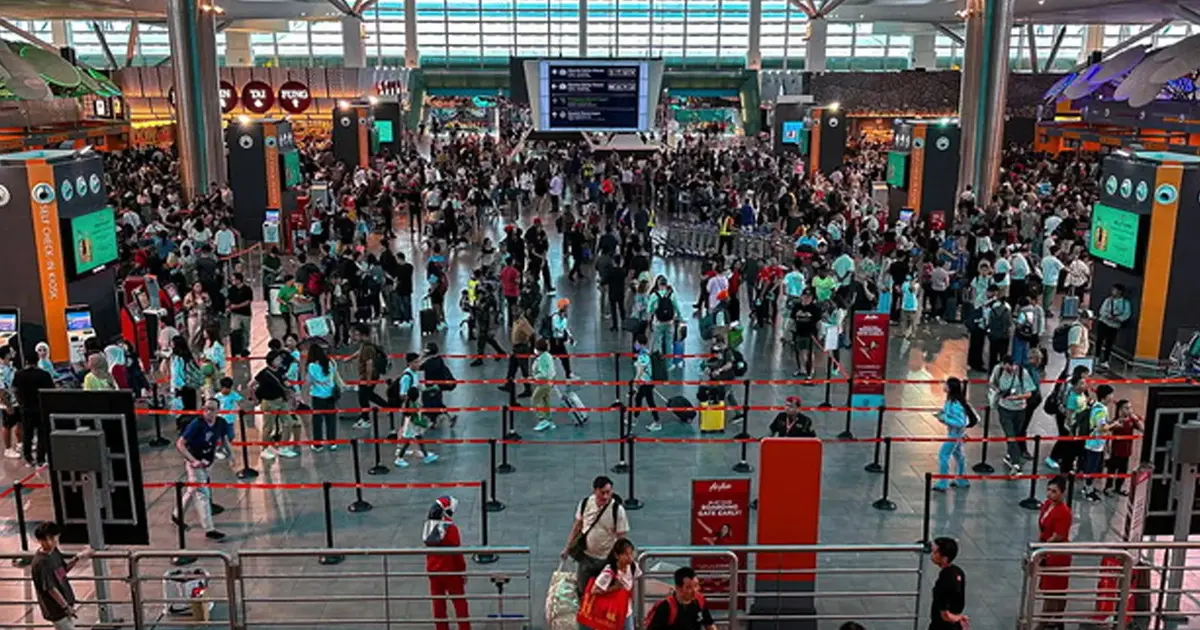
The immigration authority in Malaysia has initiated a formal investigation into claims that an official stationed at Kuala Lumpur International Airport Terminal 2 (KLIA2) received an unauthorised cash payment of RM100 through a personal quick response code. The allegation, if substantiated, would represent a serious breach of the stringent conduct standards expected of border control personnel who occupy positions of public trust.
According to statements from the agency responsible for overseeing immigration and border security functions, both disciplinary measures and legal prosecution will follow should the investigation conclude that improper conduct has occurred. This dual-track approach reflects the gravity with which Malaysian authorities treat allegations of financial impropriety among civil servants, particularly those working at the country's primary international aviation gateway.
The use of personal QR codes to solicit or accept payments from travellers or visitors represents a particularly concerning variation of conventional corruption allegations. Unlike traditional methods of demanding cash payments, which might be more readily detected by supervisory systems, the digital payment avenue creates a more subtle and potentially harder-to-trace mechanism for financial misconduct. This technological element adds a new dimension to the challenge of maintaining integrity within government agencies managing high-volume passenger traffic.
KLIA2 handles millions of passengers annually, making it one of Southeast Asia's busiest aviation hubs. The airport's critical role in Malaysia's tourism and business ecosystem means that public confidence in the impartiality and honesty of border officials directly impacts the country's international competitiveness. Any suggestion that officials might be extracting unauthorised payments undermines the professional reputation that Malaysian immigration authorities have worked to establish.
The investigation process will likely examine several key dimensions of the allegation. Authorities will need to establish whether the payment was indeed solicited by the officer, whether it was rendered voluntarily by a traveller, and whether any quid pro quo arrangement existed regarding border processing or clearance procedures. The digital nature of the transaction may actually assist investigators, as QR code payment platforms typically maintain transaction records that can be cross-referenced with the officer's personal financial accounts.
This incident arrives at a time when regional governments across Southeast Asia are intensifying efforts to combat corruption within public services. Malaysia has positioned itself as committed to improving governance standards and tackling financial irregularities among civil servants. The speed and transparency with which authorities handle such allegations carries symbolic weight beyond the individual case, signalling to both domestic constituencies and international observers the country's genuine commitment to institutional accountability.
The potential consequences for the implicated officer could be substantial. Beyond the threat of disciplinary action, which might include suspension or termination of employment, the prospect of legal prosecution introduces the possibility of criminal conviction and imprisonment, depending on how Malaysian law classifies the alleged offence. Such outcomes serve as powerful deterrents for other officials contemplating similar misconduct.
For the travelling public, particularly international visitors unfamiliar with proper procedures at Malaysian airports, the existence of such allegations raises awareness about their rights and obligations at immigration checkpoints. Travellers should understand that legitimate border officials never request personal payments beyond officially sanctioned fees, nor do they provide personal payment methods for processing travel documents or immigration clearances. Any such request represents a red flag warranting immediate escalation to supervisory authorities.
The broader institutional question extends to how immigration services can strengthen their oversight mechanisms and create reporting channels that encourage officers to flag suspicious conduct by colleagues. Many agencies now employ mystery shopper programmes, undercover monitoring, or enhanced supervisor presence at busy checkpoints specifically to deter and detect such misconduct. The prevalence of allegations suggests that reinforcing these preventive systems remains an ongoing priority.
From a regional perspective, Malaysia's handling of this investigation may influence how other Southeast Asian nations approach similar allegations within their own immigration and customs services. Professional standards at border facilities affect the entire region's reputation for travel and business friendliness. A decisive and transparent response to misconduct allegations demonstrates institutional maturity and strengthens confidence in the aviation sector more broadly.
The investigation's outcome will ultimately determine whether this represents an isolated incident or symptomatic of broader systemic vulnerabilities. Authorities have indicated they will pursue the matter with appropriate rigour, suggesting that the probe will not be perfunctory. The full scope of the investigation should extend to examining whether the officer has engaged in similar conduct previously, or whether other officials might have adopted comparable methods of extracting payments.

