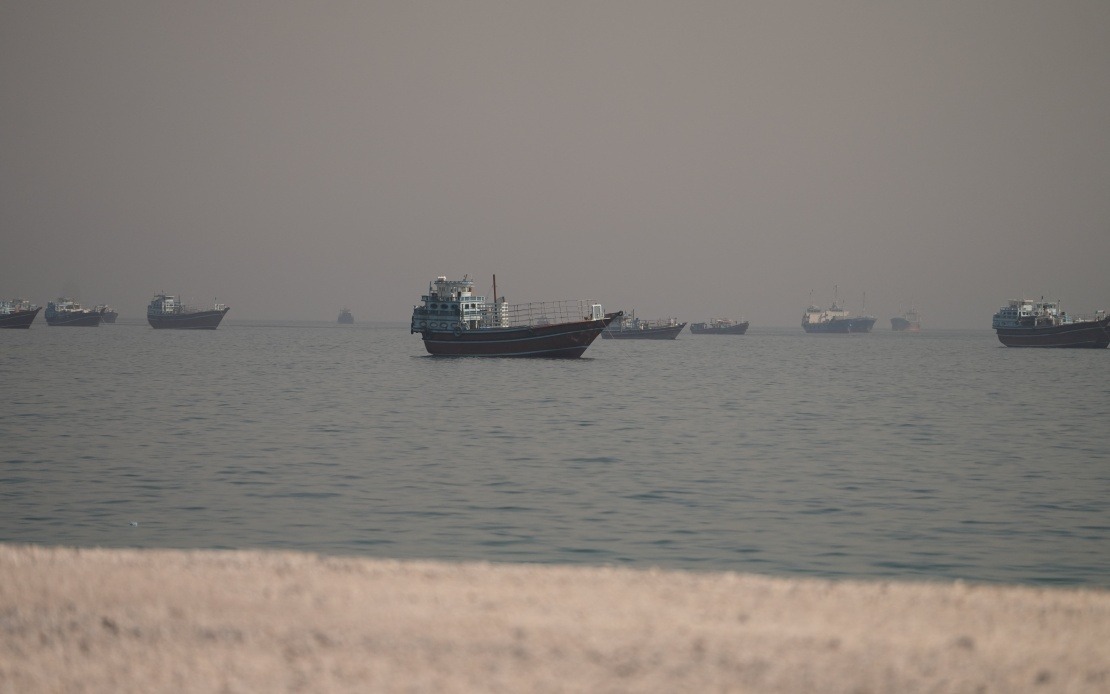
Britain and France have declared their preparedness to establish a multinational military operation designed to safeguard shipping routes through the Strait of Hormuz, one of the world's most strategically vital waterways. The announcement, made jointly by Prime Minister Keir Starmer and President Emmanuel Macron in Berlin on July 4, signals a coordinated European response to mounting tensions in the region, though it immediately triggered fresh warnings from Iran, which has consistently opposed any foreign military interventions in the corridor.
The decision underscores the critical importance placed by both European powers on maintaining unobstructed maritime trade through the narrow passage separating Iran and Oman. In their joint statement, Starmer and Macron emphasised that the Strait of Hormuz represents an essential economic lifeline for global commerce, with hundreds of millions of barrels of oil and vast quantities of liquefied natural gas transiting through its waters annually. For Malaysia and Southeast Asia, where energy security remains intrinsically linked to stable Gulf supplies, the stability of this corridor directly affects regional energy costs and economic competitiveness.
A particularly significant element of the initiative involves Oman's agreement to cooperate with Britain and France in facilitating safe navigation through Omani territorial waters. This diplomatic success demonstrates that regional states recognise the need for external assistance in managing maritime security challenges, though it also highlights divisions within the Arabian Peninsula regarding how best to address navigation threats. Oman's willingness to collaborate with European powers suggests a pragmatic approach that balances relationships with Iran against broader international concerns about freedom of movement.
The European leaders affirmed their shared commitment to supporting a broader multinational coalition that would uphold freedom of navigation principles in the region. Their statement emphasised respect for international law and the sovereignty of all states, language clearly crafted to demonstrate that any military mission would operate within established legal frameworks rather than as an act of unilateral intervention. This framing reflects awareness among British and French policymakers that legitimacy and international consensus are essential for sustaining such operations over the long term.
Iran's objections to the proposed mission reflect longstanding regional tensions and Tehran's assertion that maritime security in the Strait of Hormuz should remain the exclusive responsibility of littoral states. Iranian officials have repeatedly argued that external military deployments constitute interference in regional affairs and represent attempts by Western powers to project force in ways that undermine Iranian interests. This fundamental disagreement about who should manage strait security highlights the persistence of geopolitical divisions that complicate efforts to establish agreed-upon mechanisms for protecting international commerce.
For Southeast Asian nations including Malaysia, the Strait of Hormuz situation carries direct implications beyond energy supplies. Regional shipping companies, many of which operate container vessels and tankers through the passage, face increased insurance costs and operational risks when tensions escalate. The presence of a multinational security mission could theoretically reduce piracy, hijackings, and other maritime crime, though it equally risks inadvertently becoming a flashpoint if military assets from opposing sides come into close proximity during incidents.
The timing of the British-French announcement reflects broader shifts in European strategic thinking regarding the Middle East. Both nations have gradually moved toward more active roles in regional security matters, recognising that American strategic focus has increasingly shifted toward Asia-Pacific concerns. This European rebalancing creates opportunities for middle-power diplomacy, though it also raises questions about whether European naval capabilities can sustainably maintain operations thousands of kilometres from home ports without logistical strain or political fatigue.
The initiative must navigate considerable diplomatic complexity. While securing Oman's cooperation represents progress, broader regional acceptance remains uncertain. Gulf Cooperation Council members hold varying views on external military interventions, and achieving consensus on the composition, mandate, and operational parameters of any multinational force would demand intricate negotiations. The experience of previous coalition operations in the region demonstrates that maintaining unity of purpose across diverse national interests presents persistent challenges.
Economic stakes in maintaining strait security extend well beyond energy supplies. Global supply chains, financial markets, and insurance industries all depend on predictable, unobstructed passage through this critical chokepoint. Any significant disruption could trigger commodity price spikes affecting inflation rates, manufacturing costs, and economic growth across Asia. Malaysia's position as a maritime trading nation with substantial dependence on Gulf energy makes it particularly vulnerable to corridor instability, creating national security interest in mechanisms that prevent escalation.
The announcement also reflects evolving NATO-European Union coordination regarding Indo-Pacific security concerns. Britain's post-Brexit strategic repositioning includes enhanced focus on Gulf stability as a component of broader global commitments. France, maintaining persistent military presence in the Indian Ocean through overseas territories, shares similar interests. Together, these postures signal that European powers intend to maintain meaningful roles in Asian-adjacent regions rather than ceding influence to non-Western actors.
Iran's likely response to the British-French initiative will substantially influence whether the initiative gains traction or becomes another point of contention. Tehran could attempt to obstruct multinational operations through diplomatic challenges at the United Nations, asymmetric maritime tactics, or proxy activities. Alternatively, quiet negotiations might produce understandings that allow operations while preserving Iranian dignity and security interests. The trajectory of these developments will prove crucial for regional stability and, consequently, for Southeast Asian economic security.

