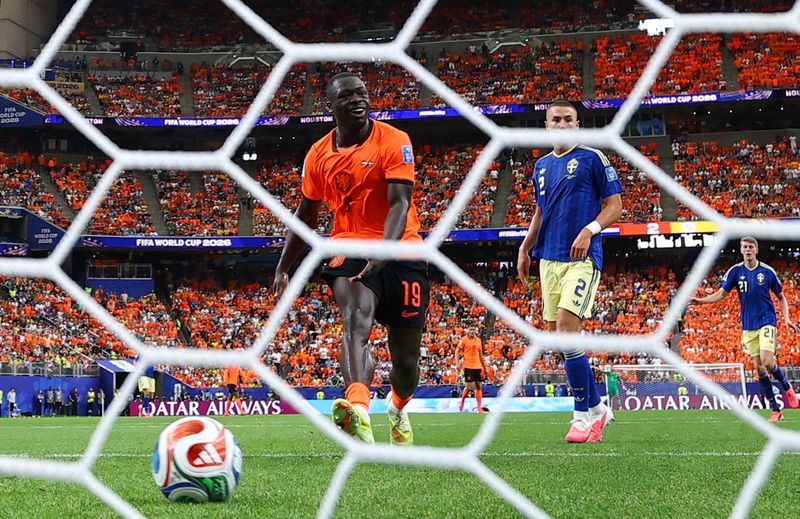
Ronald Koeman's tactical gamble to start Brian Brobbey in the Netherlands' second group-stage fixture against Sweden proved spectacularly vindicated, with the 24-year-old scoring twice in the opening 17 minutes to propel the Dutch to a commanding 5-1 triumph that sent them to the top of Group F. The decision represented a marked turnaround in fortune for a manager who had faced considerable scrutiny just 48 hours earlier following ineffective substitutions in the opening 2-2 stalemate with Japan in Dallas, when the Dutch had struggled to break down their opponents and failed to capitalise on numerous opportunities throughout a frustrating encounter.
The nature of international football ensures that managerial fortunes can shift dramatically in the space of a single match, and Koeman's selection of Brobbey to spearhead the attack against the Swedes demonstrates the value of perseverance and strategic flexibility at the highest level of competition. Whereas the alterations he had introduced against Japan had failed to arrest the team's momentum or create the attacking penetration the Dutch required, his decision to deploy Brobbey in Canada proved far more consequential, fundamentally altering the complexion of the group-stage campaign and providing genuine evidence that the Netherlands possess a viable solution to their striker conundrum.
Brobbey had occupied a peripheral role in international football for several years, having been overlooked during the qualifying campaign for the 2026 World Cup and remaining absent from the squad for an extended period before his recall in March following a marked improvement in his club performances. His trajectory mirrors that of several other players who have found redemption through consistent opportunities at club level, gaining the form and confidence necessary to perform when called upon by their country. That redemption came during a season with English Premier League side Sunderland, where sustained minutes and regular involvement in competitive matches allowed him to develop aspects of his game beyond the physical attributes that had previously defined his profile.
The transformation Brobbey has undergone extends beyond mere goal-scoring prowess. In conversations with reporters at the Dutch training camp in the days preceding the Sweden fixture, the striker articulated a comprehensive evolution in his technical repertoire and tactical understanding. Where previously his game had revolved around physical duels with opposing defenders, he has cultivated the intelligence to make intelligent runs from deeper positions, identify and exploit space in the final third, and adjust his positioning to create passing options for teammates operating in attacking midfield roles.
These developmental gains positioned Brobbey to capitalise on the considerable attacking resources that Koeman has at his disposal. Cody Gakpo, operating on the left flank, provides consistent width and penetrating passes, while the overlapping runs of fullback Denzel Dumfries on the right create numerical advantages in key attacking areas. The emergence of Crysencio Summerville as a specialist attacking threat adds further tactical flexibility to the Netherlands' offensive approach, ensuring that any centre-forward carrying the primary burden of leading the line faces a steady stream of quality opportunities rather than shouldering an impossible burden alone.
Brobbey's brace demonstrated that he possesses the finishing acuity and decisiveness that the Dutch require from their primary striker, qualities that have become increasingly scarce in the extended absence of Memphis Depay through injury. Depay remains the nation's all-time leading goal-scorer and has fulfilled the role of chief attacking protagonist for several years, but age and injury have conspired to diminish his effectiveness, leaving the Netherlands searching for a capable successor who can maintain the standard of play the team has established under Koeman's stewardship.
The question of Depay's succession has occupied Dutch football administrators and analysts for considerable time, with the obvious awareness that few elite strikers maintain peak performance indefinitely and that contingency planning at international level requires sustained identification and development of talented replacements. Brobbey's performance against Sweden suggests that the Netherlands may finally have located a viable heir apparent, someone capable of delivering the consistent finishing and intelligent movement that Depay has provided but with the physical freshness that comes from a player in his prime years.
Brobbey's elevation to the starting lineup also reflects broader strategic considerations about the composition of the Dutch attack and the specific demands of tournament football at the World Cup level. Koeman's willingness to make decisive changes and trust younger players who have demonstrated significant improvement at club level indicates a pragmatic approach to squad management, one that prioritises performance data and current form over established hierarchies or sentimental attachments to established figures.
The implications of Brobbey's two-goal contribution extend beyond the immediate fixture and group-stage standing. Should he continue to demonstrate the quality displayed against Sweden in subsequent matches, the 24-year-old could fundamentally alter the trajectory of Dutch attacking play throughout the tournament, providing the personnel to compete effectively against elite defensive units while maintaining the creative fluidity that has characterised Netherlands football for generations. His emergence represents the successful culmination of a longer-term development process, where patience, consistent opportunity, and technical improvement have combined to produce a player ready to shoulder significant responsibility at the world's premier football competition.
%22%2F%3E%3C%2Fpattern%3E%3C%2Fdefs%3E%3Crect%20width%3D%22100%25%22%20height%3D%22100%25%22%20fill%3D%22url(%23ph3q5g4g)%22%2F%3E%3Crect%20width%3D%22100%25%22%20height%3D%22100%25%22%20fill%3D%22url(%23ph3q5g4p)%22%2F%3E%3Ctext%20x%3D%2250%25%22%20y%3D%2250%25%22%20text-anchor%3D%22middle%22%20dominant-baseline%3D%22central%22%20fill%3D%22rgba(255%2C255%2C255%2C0.95)%22%20font-family%3D%22Georgia%2C%20'Times%20New%20Roman'%2C%20serif%22%20font-weight%3D%22700%22%20font-size%3D%22226%22%20letter-spacing%3D%22-0.02em%22%3EPenang%3C%2Ftext%3E%3C%2Fsvg%3E)
%22%2F%3E%3C%2Fpattern%3E%3C%2Fdefs%3E%3Crect%20width%3D%22100%25%22%20height%3D%22100%25%22%20fill%3D%22url(%23ph104fig)%22%2F%3E%3Crect%20width%3D%22100%25%22%20height%3D%22100%25%22%20fill%3D%22url(%23ph104fip)%22%2F%3E%3Ctext%20x%3D%2250%25%22%20y%3D%2250%25%22%20text-anchor%3D%22middle%22%20dominant-baseline%3D%22central%22%20fill%3D%22rgba(255%2C255%2C255%2C0.95)%22%20font-family%3D%22Georgia%2C%20'Times%20New%20Roman'%2C%20serif%22%20font-weight%3D%22700%22%20font-size%3D%22226%22%20letter-spacing%3D%22-0.02em%22%3EExists%3C%2Ftext%3E%3C%2Fsvg%3E)