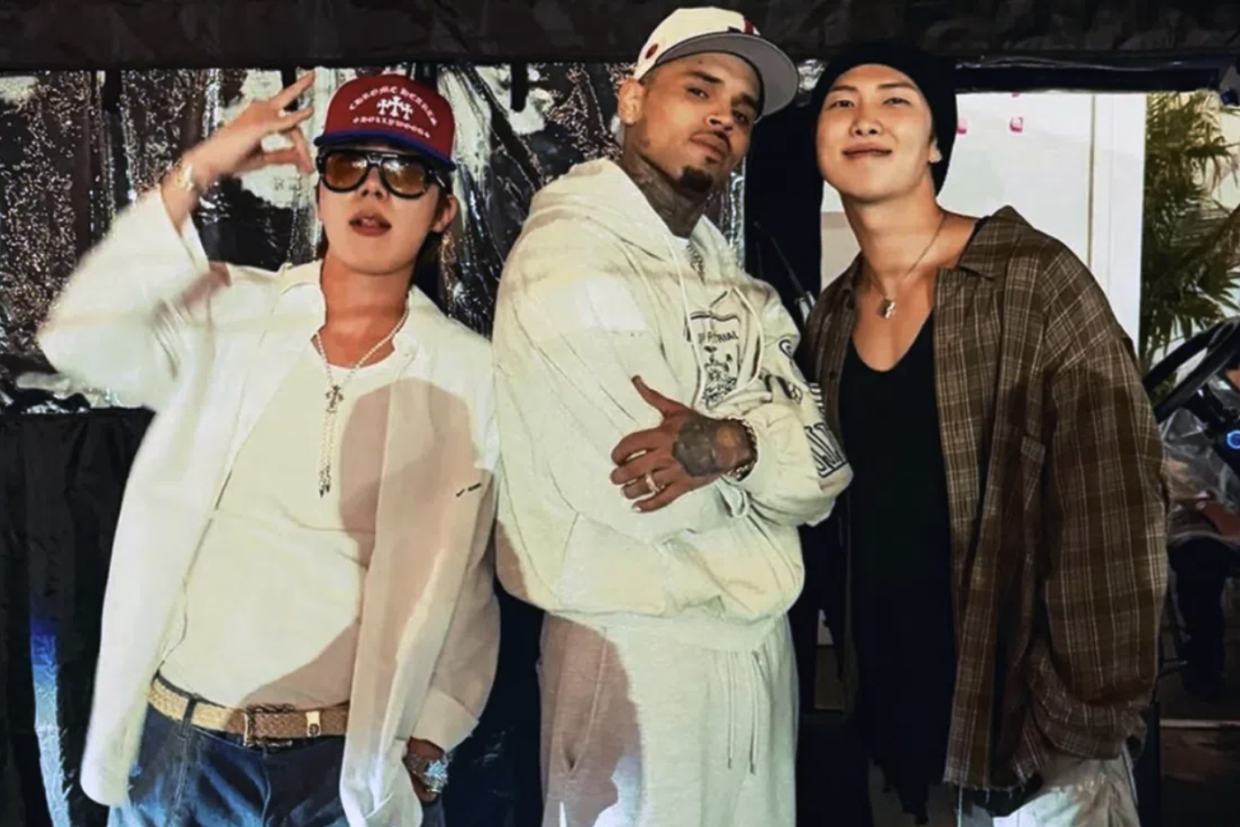
The global fanbase of K-pop supergroup BTS erupted in controversy after two of the group's most prominent members were photographed at a Chris Brown concert in Canada earlier this month, forcing difficult conversations about celebrity responsibility and the moral boundaries fans expect their idols to respect. When leader Kim Namjoon (RM) and rapper Jung Hoseok (J-Hope) appeared alongside Brown in images posted on August 13, it immediately triggered a firestorm of criticism from Army members—the devoted international fanbase that BTS has cultivated over more than a decade of stardom.
The backlash gained particular intensity because of Brown's extensive and well-documented history of serious criminal allegations spanning more than a decade. The American musician's record includes a highly publicized 2009 domestic violence conviction involving then-girlfriend Rihanna that shocked the entertainment world and became a defining moment in discussions about accountability in the music industry. Beyond that foundational incident, Brown has accumulated numerous additional allegations that have kept him mired in controversy: a 2016 arrest for threatening a woman with a gun at his Los Angeles home; 2018 accusations of co-conspiring in a sexual assault at his residence, which ended only after a settlement was reached; 2019 rape charges filed in Paris that were subsequently dropped; and a 2022 allegation of drugging and sexual assault aboard a yacht in Miami involving a woman who reported fearing for her safety. Most recently, a Los Angeles jury determined that Brown bore financial liability of US$12.9 million to the sister of his housekeeper after his dog attacked her, underscoring a pattern of problematic behavior extending beyond interpersonal violence.
Many Army members expressed genuine distress at what they perceived as implicit endorsement of abusive behavior by attending the concert. Some fans articulated their position with particular emotional weight, emphasizing that their identity as women and survivors of assault superseded their status as devoted followers of BTS. One woman shared that she herself had experienced sexual violence and found it deeply troubling that artists she admired—figures she had looked to for inspiration and representation—would publicly associate with someone credibly accused of perpetrating similar crimes against women. This sentiment resonated across social media platforms, where survivors and advocates highlighted the particular pain of seeing celebrities they had supported extend professional courtesy to men accused of harming women.
The discourse that unfolded online revealed fundamental philosophical divides within the fanbase about celebrity conduct. Some defenders of BTS members argued that public figures remain private individuals entitled to personal music preferences and concert attendance choices, questioning whether an artist's attendance at another performer's show necessarily constitutes endorsement of that person's alleged behavior. This camp suggested that maintaining rigid separations between an artist's personal life and their work was both reasonable and necessary, and that fans were overstepping by policing the social activities of people they admired.
However, this position faced substantive pushback from critics who contended that such arguments fundamentally misunderstood the nature of celebrity influence in contemporary culture. Commentators on social media platform X argued that public figures occupying cultural positions as massive as BTS—a group with hundreds of millions of followers globally—carry heightened responsibility precisely because their actions are inherently visible and shape how millions of people think about moral questions. The presence of RM and J-Hope at Brown's concert sent a particular signal in an era when discussions about accountability in entertainment remain contentious and urgent across Asia and the West.
Meanwhile, other users critiqued the phenomenon of fans publicly defending their idols on social media, pointing out an uncomfortable irony: these passionate defenses were unlikely to ever be read by the artists themselves, but would certainly be encountered by other users scrolling through their feeds—potentially including other survivors of abuse or domestic violence. This observation highlighted how fan discourse itself becomes part of the cultural environment that either reinforces or challenges standards of accountability. Some users articulated how silence or defense of artists credibly accused of misconduct ultimately protected abusers from meaningful consequences, allowing patterns of problematic behavior to continue unchecked within an industry often reluctant to hold powerful figures accountable.
A particularly pointed counterargument emerged when some observers drew attention to the concept of moral responsibility extending beyond direct perpetration. Several Twitter users broke down the distinction between active perpetration of misogyny and passive tolerance of it, noting that individuals—and particularly those with significant platforms—cannot claim moral neutrality while simultaneously supporting those credibly accused of violence against women. This analysis suggested that BTS members' attendance at the concert, regardless of intention, functioned as a form of normalization that extended professional and social legitimacy to Brown.
One notable example cited during the debate involved Swedish singer Zara Larsson, who has previously collaborated with BTS. In a viral clip resurfaced by users, Larsson was asked which artists she would never listen to, and she responded by explaining that she has multiple abusers blocked on Spotify before specifically naming Chris Brown as someone she refuses to support. The contrast between Larsson's explicit stance and BTS members' concert attendance highlighted divergent approaches to personal accountability within the entertainment industry and raised questions about whether international K-pop stars operating across multiple cultural contexts faced different standards or considerations.
The BTS controversy arrives amid broader industry tensions about celebrity conduct and platform responsibility. Just weeks earlier, the group had collaborated with Google's artificial intelligence system Gemini on a major advertisement that was displayed on the Las Vegas Sphere, conceptualized around exploring "the new possibilities that technology and art can create." That partnership itself had already attracted substantial criticism from BTS fans concerned about the environmental implications of AI technology and questions about whether the group's association with such projects adequately considered ecological consequences. The combination of these two controversies within a short timeframe intensified discussions within the fanbase about what standards BTS should maintain as one of the world's most influential musical acts.
For Malaysian and Southeast Asian observers, the BTS controversy carries particular relevance in a region where K-pop maintains extraordinary cultural influence, especially among young people who frequently look to these artists as role models and sources of values. The incident raises uncomfortable questions about how entertainment industries across Asia grapple with accountability standards, whether international stardom insulates celebrities from consequences, and what responsibility platforms and fanbases share in either reinforcing or challenging problematic behavior within entertainment ecosystems that span continents.

