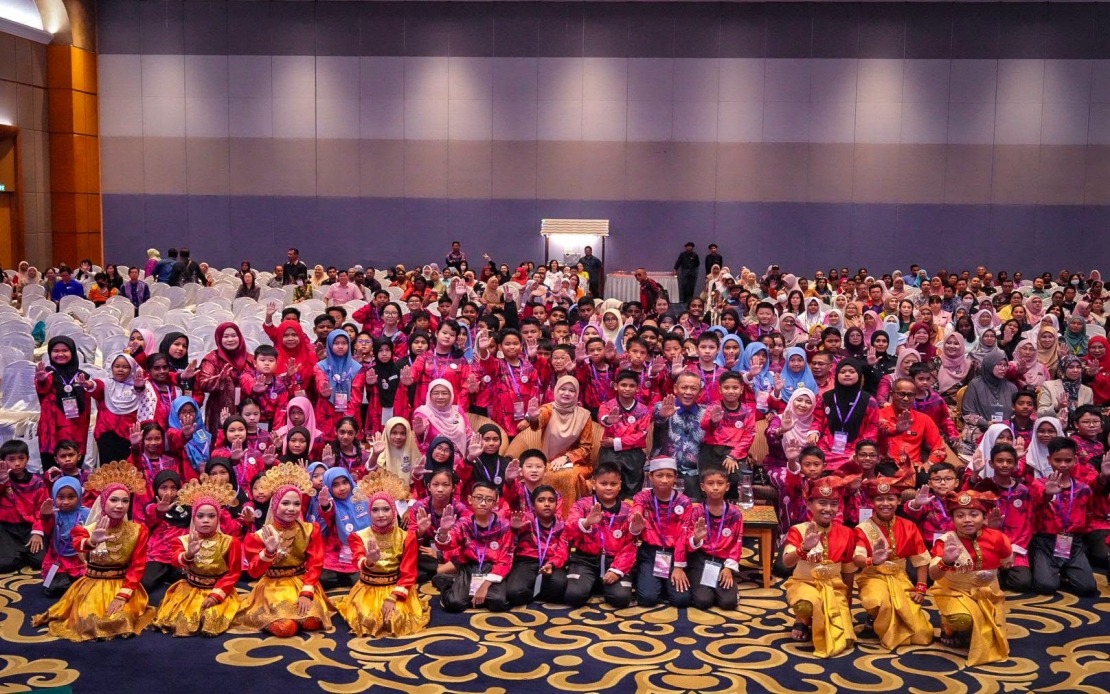
Malaysia's education sector faces mounting pressure to address school safety as incidents involving students continue to raise public concern. Education Minister Fadhlina Sidek has responded to these growing challenges by calling for a coordinated, strategic effort involving all stakeholders—from parents and teachers to government agencies and school administrators—to establish what she describes as a comprehensive safe school ecosystem. Speaking at the Mutiara Diri Programme, Fadhlina underscored that creating protective environments for students demands far more than piecemeal interventions or isolated policy directives.
The minister's emphasis on building public confidence reflects a recognition that parental trust in Malaysia's education system has been strained by various reported incidents affecting student wellbeing. Fadhlina stated unequivocally that there can be no compromise when it comes to safeguarding the physical or emotional security of children within school premises. This declaration signals that the Education Ministry intends to position student protection as a core institutional priority rather than a peripheral concern managed reactively when crises emerge. The framing suggests a fundamental shift towards proactive, preventative measures embedded throughout the education system.
To operationalise this commitment, Fadhlina directed that all educational institutions under the Ministry of Education must rigorously implement established safety guidelines and child protection policies. Rather than introducing entirely new frameworks, the emphasis appears to be on ensuring consistent application and compliance across Malaysia's diverse school network—from urban centres to rural areas where resource constraints may have hindered uniform implementation. This approach recognises that many policies already exist on paper but may lack enforcement mechanisms or adequate oversight at the institutional level.
Beyond physical safety measures, Fadhlina highlighted the critical need to address mental health challenges affecting students. School-related mental health issues, including anxiety, depression, and stress from academic pressure, have become increasingly visible in Malaysian schools, particularly following disruptions from the COVID-19 pandemic. Integrating mental wellness support into the broader safety ecosystem acknowledges that student vulnerability extends beyond bullying or violence to encompass psychological distress that, if left unaddressed, can manifest in harmful behaviours or self-harm. This dual focus—physical protection combined with emotional wellbeing support—represents a more sophisticated understanding of what constitutes genuine school safety.
The attendance of Negeri Sembilan Menteri Besar Datuk Seri Aminuddin Harun at the Mutiara Diri Programme underscores that school safety transcends the purview of the federal Education Ministry alone. State-level leadership involvement suggests recognition that local authorities, state education departments, and community organisations must align their efforts with national initiatives. In Malaysia's federal structure, such coordination can be challenging, yet the presence of state representatives indicates willingness to bridge these operational divides. This multi-level governance approach is essential given that state governments often oversee certain aspects of school administration and have direct relationships with local communities.
Fadhlina's framing of the Mutiara Diri Programme as more than a conventional awareness campaign reflects understanding that rhetorical commitments alone fail to translate into safer schools. The programme represents what she characterised as a significant advocacy initiative—suggesting structured engagement designed to mobilise stakeholders around concrete actions rather than simply raising awareness of problems. Such advocacy efforts can help establish shared responsibility narratives, where parents, teachers, school administrators, government officials, and students themselves recognise their roles in maintaining safe environments.
The Malaysian context adds particular urgency to these efforts. As a growing middle-income nation with an increasingly complex, urbanised society, Malaysia's schools mirror broader social tensions including socioeconomic disparities, digital access inequalities, and generational differences in how students process information and peer relationships. School safety cannot be addressed in isolation from these wider social currents. Fadhlina's call for comprehensive approaches implicitly acknowledges that solutions requiring only top-down enforcement will prove insufficient without parallel efforts to build positive school cultures, address root causes of student distress, and create avenues for students themselves to voice concerns safely.
For parents specifically, Fadhlina's appeal to enhance synergy represents an invitation to move beyond occasional engagement during school events or during crises. She is essentially asking families to become active participants in maintaining safe school ecosystems by communicating with educators about children's wellbeing, reinforcing appropriate behaviour at home, and partnering with schools to identify and address emerging concerns. This places considerable responsibility on parents, many of whom juggle multiple commitments and may lack clear guidance on how to contribute meaningfully to school safety beyond traditional parent-teacher association roles.
Educators, meanwhile, are positioned as frontline sentries in the safe school ecosystem. Teachers and school administrators must implement policies, identify at-risk students, respond to incidents appropriately, and create classroom environments where students feel secure enough to disclose concerns. This demands not only adherence to prescribed protocols but also professional judgment, empathy, and ongoing training. The reality in many Malaysian schools is that teachers already face significant workload pressures, and adding comprehensive responsibility for student mental health and safety monitoring requires either additional resources or restructuring of priorities—neither of which Fadhlina's statement explicitly addresses.
The emphasis on establishing a dignified and prosperous environment for children goes beyond conventional safety language. Fadhlina's invocation of dignity suggests recognition that student wellbeing encompasses respect, agency, and feeling valued within institutional settings. Prosperity in this context likely refers to the conditions enabling students to develop academically, socially, and emotionally. Together, these framing elements position school safety as integral to Malaysia's broader commitment to human capital development and the fulfilment of each student's potential.
Moving forward, the success of initiatives like the Mutiara Diri Programme will depend on whether the Education Ministry translates Fadhlina's rhetorical commitment into measurable outcomes, adequate funding, sustained accountability mechanisms, and genuine empowerment of schools and communities to implement solutions tailored to their contexts. Malaysia's ability to build genuinely safe school ecosystems will ultimately reflect the nation's willingness to prioritise student wellbeing above competing institutional pressures and to sustain attention to these issues beyond occasional high-profile advocacy campaigns.

