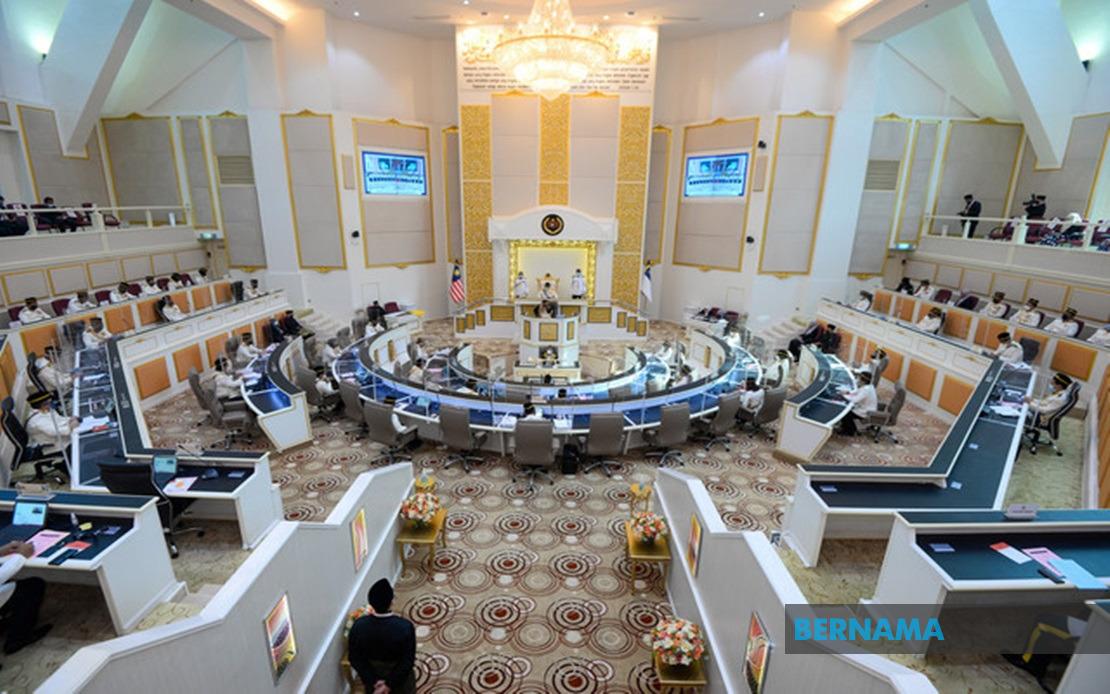
The Melaka state government expects Parliament to approve funding for a proposed Type 3 health clinic in Bukit Rambai when lawmakers debate the 2027 Budget in October. Datuk Ngwe Hee Sem, who chairs the state's Health, Human Resources and Unity Committee, announced during a state assembly sitting on July 14 that the project proposal has been formally submitted to the Ministry of Economy as part of Rolling Plan 2 under the 13th Malaysia Plan, the federal government's comprehensive five-year development roadmap.
The new facility would be constructed on land opposite the existing Bukit Rambai Health Clinic, where preliminary site preparation has already been completed. State officials have allocated a three-year timeline for completion once funding is secured, signalling confident expectations that the project will ultimately proceed. The location choice reflects strategic planning to consolidate healthcare infrastructure within the Bukit Rambai community while minimizing disruption to current services at the adjacent clinic.
Expanding healthcare capacity in Bukit Rambai represents a priority for state planners seeking to address growing demand for medical services. The new Type 3 clinic would introduce diagnostic imaging capabilities through radiology and X-ray facilities, marking a significant upgrade from basic primary care. Dental care would expand substantially with five dedicated dental chairs, enabling the clinic to handle routine and preventive dental work without referring patients elsewhere. These additions signal recognition that residents currently lack convenient access to specialist dental services in their immediate vicinity.
Beyond radiology and dentistry, the proposal includes nutrition and dietetics services, acknowledging the growing importance of preventive healthcare and lifestyle management in managing chronic diseases. Optometry services would allow residents to obtain eye examinations and basic vision corrections without traveling to larger medical centres. Physiotherapy and occupational therapy services would support post-injury rehabilitation and mobility restoration, proving particularly valuable for an ageing population.
Mental health and psychosocial support services form another cornerstone of the proposal. Speech therapy would assist patients with communication disorders, while counselling psychology services would address mental health concerns that often go untreated in communities lacking accessible psychiatric support. Medical social work staff would help vulnerable patients navigate healthcare systems and access welfare assistance, bridging gaps between medical care and social support networks.
The expanded clinic would strengthen existing services currently delivered from the present facility. Emergency response capacity would improve, allowing staff to manage acute cases more effectively. Maternal and child health services, which form the foundation of public healthcare in Malaysia, would receive dedicated resources and facilities. Laboratory services would enable on-site testing rather than sending samples to distant facilities, reducing turnaround times for critical results.
Pharmacy services would expand to accommodate increased patient volume and potentially offer counselling on medication usage. Health promotion activities, essential for disease prevention and public education, would operate with dedicated staff and resources. School health programs would benefit from enhanced coordination with increased professional capacity. These interconnected improvements reflect contemporary understanding that comprehensive healthcare requires coordination across multiple service domains.
For Bukit Rambai residents, the practical benefits extend beyond mere service availability. Currently, patients requiring specialist care typically endure lengthy journeys to regional hospitals or state-level facilities. The new clinic would reduce waiting times by increasing service capacity and eliminating the need to refer routine cases elsewhere. Patient comfort would improve through modern facilities designed with contemporary standards in mind, replacing aging infrastructure.
The congestion currently experienced at the existing clinic would dissipate as services disperse across two facilities. This physical separation allows better workflow management and reduces bottlenecks during peak hours. For working patients and parents managing childcare responsibilities, shorter appointments and reduced waiting represent genuine improvements to quality of life. For elderly residents with mobility limitations, local availability of physiotherapy and specialist consultation services removes transportation barriers.
The inclusion of this project in Rolling Plan 2 of the 13th Malaysia Plan reflects alignment with federal healthcare expansion priorities under the Madani framework. The Ministry of Economy's evaluation of competing proposals across Malaysia's states will determine whether Bukit Rambai receives funding allocation. Parliamentary approval in October would signal federal confidence in the project's merit and feasibility. The October budget tabling creates a critical decision point where federal and state healthcare priorities converge.
For the broader Southeast Asian context, Malaysia's investment in primary healthcare infrastructure demonstrates regional commitment to achieving Universal Health Coverage. Type 3 clinics represent an intermediate tier between basic health posts and full hospitals, optimizing resource distribution across healthcare pyramids. As other ASEAN nations develop their healthcare systems, Malaysia's experience expanding outpatient specialist services offers relevant lessons in service integration and community access improvement.
Successful implementation would benefit surrounding areas beyond Bukit Rambai proper. Residents from neighbouring communities lacking comparable facilities would likely utilize the clinic, extending the development impact across a broader geographic and demographic footprint. This regional benefit justifies the three-year implementation timeline and the substantial investment commitment such a facility requires.

