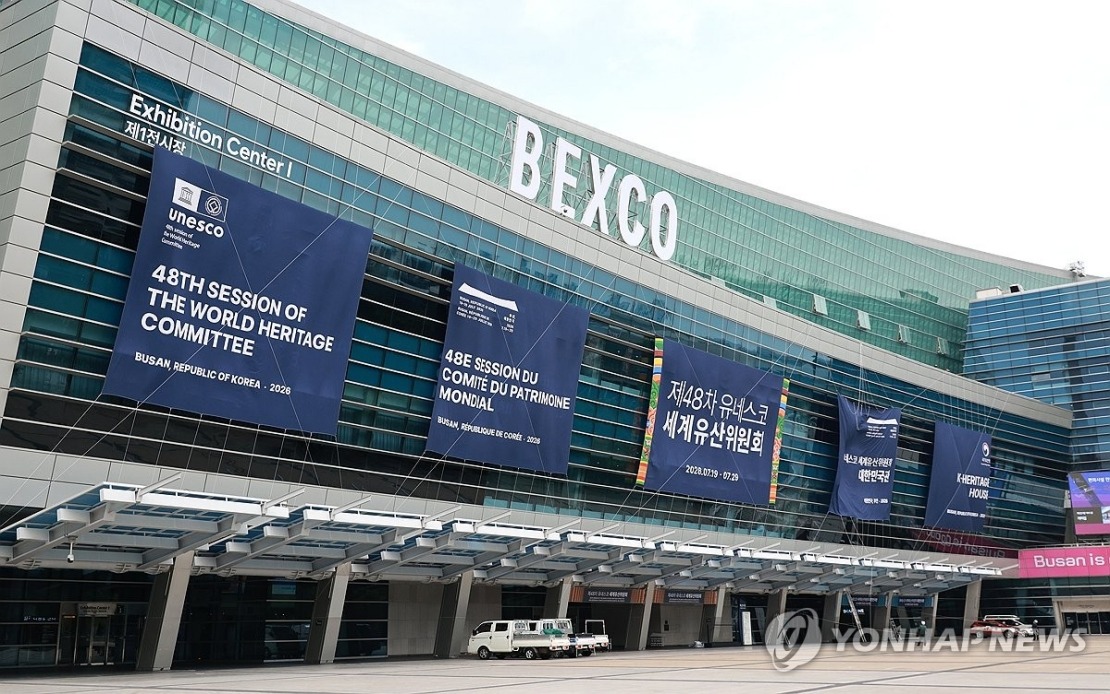
The South Korean port city of Busan is preparing to welcome one of the world's most significant heritage gatherings as the UNESCO World Heritage Committee convenes for its annual session beginning this Sunday. The event represents a milestone for the East Asian nation, which has championed cultural preservation efforts across its territory over the past three decades.
The 10-day meeting at the Busan Exhibition and Convention Centre is anticipated to draw approximately 3,000 participants from across the globe. Delegations representing all 196 UNESCO member states will participate alongside representatives from international organisations and civil society groups with interests in cultural and natural heritage preservation. The port city, situated roughly 330 kilometres southeast of Seoul, has been selected as the venue for this prestigious gathering.
Among the high-ranking officials expected to attend are UNESCO Director-General Khaled El-Enany, who leads the organisation's global operations, Assistant Director-General for Culture Nayef Al-Fayez, responsible for cultural portfolios, and Lazare Eloundou Assomo, who directs the World Heritage Centre. Their presence underscores the importance the United Nations agency places on this annual convening, which sets strategic directions for heritage conservation worldwide.
For South Korea, hosting this committee represents a significant diplomatic and cultural achievement. The nation formally acceded to the UNESCO World Heritage Convention in 1988, beginning its formal engagement with the international framework for protecting sites of outstanding universal value. In the decades since, South Korea has developed substantial expertise in heritage management and has seen numerous sites inscribed on the World Heritage List, from the historic temples of Gyeongju to the Demilitarised Zone's unique ecosystems.
The World Heritage Committee functions as UNESCO's primary decision-making body on matters concerning cultural and natural heritage worldwide. During its annual sessions, the committee reviews and votes on nominations from member states seeking to have sites inscribed on the World Heritage List, a designation that brings both prestige and increased international support for conservation efforts. The inscription process is highly competitive, with hundreds of nominations submitted globally each cycle and only a fraction receiving approval.
Beyond evaluating new nominations, the committee conducts detailed assessments of how effectively existing World Heritage sites are being preserved and managed. Many designated sites face mounting pressures from climate change, development pressure, tourism stress, and insufficient funding. The committee's monitoring and advisory functions help ensure that member states maintain appropriate standards of conservation and provide adequate resources for site protection.
The broader policy agenda also features prominently in these annual sessions. Committee members discuss evolving interpretations of heritage value, emerging challenges to preservation efforts, and strategic priorities for the convention going forward. These deliberations shape how the international community understands and prioritises different types of heritage, from built monuments to natural landscapes to intangible cultural expressions.
For Malaysian delegates and heritage professionals attending, the Busan session offers important networking opportunities and insights into emerging best practices in conservation management. Given Malaysia's own rich heritage landscape—encompassing Georgetown's colonial architecture, the Kinabalu Park's biodiversity, and numerous archaeological and cultural sites—perspectives shared at this gathering carry direct relevance to national preservation strategies.
The timing of this South Korean hosting also reflects broader patterns of how cultural diplomacy functions within the Asian region. As Southeast Asian nations increasingly take leadership roles in international forums, observing how neighbours manage prestigious international gatherings provides valuable lessons in stakeholder engagement, logistics, and diplomatic protocol.
The inscription of new sites during this session will likely include submissions from across Asia, where heritage pressures remain acute. Competition for World Heritage designation continues to intensify, with developing nations particularly keen to secure international recognition and support for their cultural treasures. The committee's decisions this week will shape conservation priorities and funding allocations for years to come.
Participants will also address the growing challenge of climate-related threats to heritage sites. Rising sea levels, extreme weather events, and shifting precipitation patterns increasingly jeopardise sites ranging from island temples to ancient cities in vulnerable locations. The committee's discussions on adaptation strategies and resilience-building will likely attract significant attention from nations facing mounting environmental pressures.
The convening in Busan additionally demonstrates UNESCO's commitment to ensuring that significant international meetings rotate among member states, preventing concentration of gatherings in wealthy Western nations. This decentralisation approach strengthens connections between the international heritage framework and regional conservation efforts, making the system more responsive to local contexts and priorities across diverse world regions.

