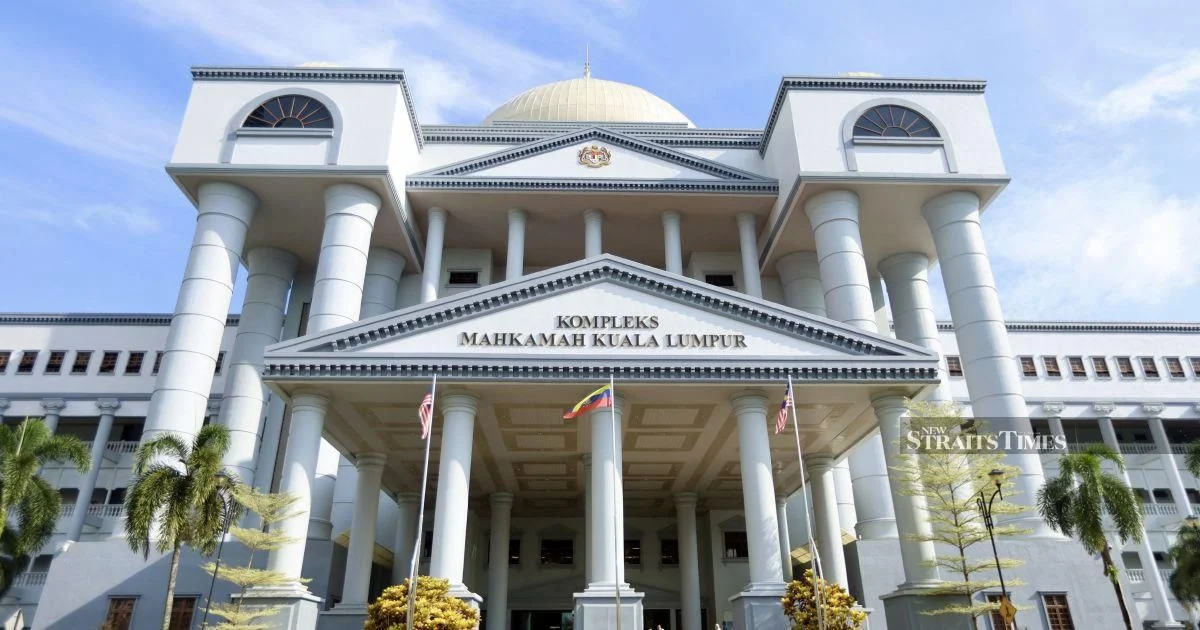
Businesswoman Sofia Rini Buyong is scheduled to appear before the magistrate's court in Kuala Lumpur tomorrow to answer criminal defamation charges stemming from an allegedly defamatory statement. The case marks a notable instance of legal action centring on reputational harm in Malaysia's commercial sector, where such matters have increasingly drawn public and media attention in recent years.
Criminal defamation charges in Malaysia fall under the purview of the Penal Code and represent a serious legal matter distinct from civil defamation suits. The distinction carries significant implications, as criminal proceedings can result in imprisonment alongside financial penalties, whereas civil actions typically focus on monetary damages. The fact that prosecutors have opted to pursue criminal charges rather than civil remedies suggests the authorities view the alleged statement as sufficiently grave to warrant state intervention.
The case arrives amid growing discourse surrounding the boundaries between free speech and personal liability in Malaysia. Businesspeople, particularly those operating in high-profile sectors or maintaining significant media profiles, face heightened scrutiny when making public statements. The circumstances surrounding Buyong's alleged statement remain under investigation, though defamation charges typically hinge on proving that remarks were false, damaging to reputation, and communicated to third parties.
For the Malaysian business community, cases of this nature serve as important reference points regarding professional conduct and public communication. Entrepreneurs and corporate figures must carefully weigh the consequences of statements made during disputes, media interviews, or social media interactions. The legal exposure extends not only to direct statements but potentially to amplified or shared content, particularly in an era when information spreads rapidly across digital platforms.
The magistrate's court proceedings tomorrow will likely include preliminary matters such as plea entry and potential bail considerations. Depending on the charge's severity and other factors, the case may proceed at the magistrate's level if the prosecution seeks a summary trial, or it could be transferred to higher courts if deemed more serious. The procedural path will become clearer once the court hears the charges and related arguments.
Criminal defamation prosecutions in Southeast Asia have drawn scrutiny from international free speech advocates, who sometimes express concern about the breadth of such laws and their potential chilling effect on legitimate criticism and debate. Malaysia's legal framework, like those of several regional neighbours, permits criminal defamation charges, though courts have emphasised the importance of distinguishing between protected criticism and unprotected falsehoods designed to harm reputation.
The business community often grapples with the tension between competitive discourse and legal liability. In Malaysia's dynamic entrepreneurial landscape, disagreements over market competition, business partnerships, and contractual matters occasionally escalate into public disputes. How companies and individuals navigate these conflicts while remaining within legal bounds has become an increasingly important consideration for corporate lawyers and business advisors.
Beyong's case will potentially contribute to evolving jurisprudence around defamation in Malaysian law. Judicial decisions in high-profile cases establish precedents that influence how prosecutors evaluate future complaints and how other courts assess similar allegations. The court's findings regarding what constitutes a defamatory statement, the burden of proof required, and any defences available to the accused will carry weight in shaping legal landscape for business professionals.
The timing and publicity surrounding tomorrow's court appearance may also influence how stakeholders perceive the case. Media coverage, public statements, and potential counterclaims or additional allegations could emerge as proceedings advance. For observers within Malaysia's business fraternity, the proceedings offer practical insights into how courts apply defamation law in contemporary commercial contexts.
From a broader perspective, cases involving criminal defamation reveal the intersection of private commercial disputes and state enforcement mechanisms. When allegations cross from civil disagreement into territory warranting criminal prosecution, questions arise about the appropriateness of state involvement, the interests being protected, and the evidentiary standards applied. These considerations remain relevant as Malaysia continues refining how its legal system balances reputational protection with open discourse.
Looking ahead, the magistrate's court appearance tomorrow will mark an early but significant milestone in Buyong's legal proceedings. The court's handling of preliminary matters, any statements from counsel, and the trajectory established during initial hearings will provide observers with clarity about the case's likely duration, complexity, and potential outcomes. For Buyong and her legal team, the proceedings represent both an opportunity to address the allegations formally and a critical juncture in managing her professional reputation during what is evidently a challenging period.

