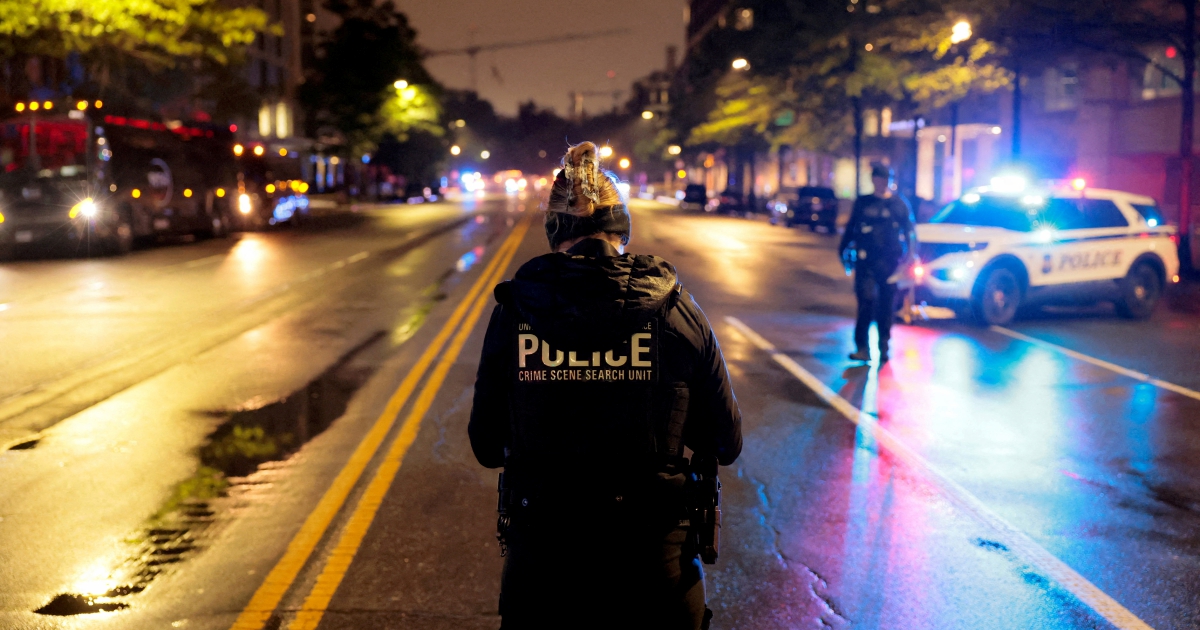
A person injured during a May shootout near the White House perimeter has initiated formal legal proceedings against the US Secret Service, with the injured party's legal representatives announcing their intention to file a personal injury lawsuit. The announcement underscores the complex liability questions that emerge when law enforcement operations in high-security zones result in civilian casualties.
The incident occurred outside one of the world's most heavily protected buildings, where security protocols and operational procedures are designed to prevent unauthorised access and threats to presidential personnel. However, the presence of bystanders in public areas surrounding the White House means civilian exposure to security operations remains an inherent risk that courts must now evaluate. The lawsuit represents an effort to establish accountability for injuries sustained during the confrontation between federal agents and an armed individual.
For Malaysian readers and regional observers, this case illustrates how democratic nations address the tension between security imperatives and civil liability. The United States operates under a legal framework where civilians can pursue damages against government agencies when injured due to official actions, though such cases often involve complex questions about official immunity and the reasonableness of law enforcement conduct. This contrasts with varying approaches to liability across Southeast Asian jurisdictions.
The legal challenge raises substantive questions about the Secret Service's operational decisions during the May incident. Courts will likely examine whether protocols were followed, whether adequate warnings were issued to civilians, whether the force used was proportionate to any identified threat, and whether civilians were reasonably protected from crossfire. The outcome may influence how federal agencies approach similar scenarios in future, potentially affecting procedures for managing public areas near high-security facilities.
Secret Service shootings involving civilian casualties remain relatively rare in modern American history, making this case particularly significant within both legal and security communities. Each such incident generates renewed scrutiny of training standards, rules of engagement, decision-making processes, and the balance between minimising civilian harm and maintaining security perimeters. The lawsuit will provide judicial examination of these tensions through the specific circumstances of the May shooting.
The financial dimension of such litigation extends beyond the immediate compensation for the injured party. Settlements or judgments in cases involving federal agencies can establish precedents affecting how government operates future security operations, influence policy decisions about public access near protected sites, and reshape internal training and protocols. For the Secret Service, defending against such claims while maintaining operational effectiveness presents ongoing institutional challenges.
From a regional perspective, Southeast Asian security planners and legal experts often study how Western democracies navigate these scenarios, as similar tensions exist around presidential palaces, government complexes, and diplomatic facilities throughout the region. The principles established through American litigation regarding civilian protection, use of force proportionality, and government accountability provide reference points for developing regional security standards and legal frameworks.
The broader context includes ongoing public debate in the United States about police and security force conduct, particularly regarding situations involving civilians. This case intersects with wider conversations about accountability, transparency, and the appropriate limits of government authority in emergency scenarios. The lawsuit ensures that detailed examination of the May incident will occur through judicial processes rather than remaining confined to internal agency reviews.
Legal representatives for the injured party will now pursue discovery processes that typically include document production, witness depositions, and expert testimony regarding standard security practices and the specific circumstances of the shooting. This discovery phase often reveals operational details that generate public understanding of how federal agencies conduct their activities. The Secret Service will likely rely on qualified immunity doctrine and official authority arguments in their defence, creating a legal conflict that courts must resolve through established principles of administrative and tort law.
The timeline for such litigation typically extends over years, involving preliminary motions, potential settlement negotiations, and possibly trial proceedings if no resolution occurs earlier. During this period, media coverage and legal filings will maintain public attention on the incident and its implications for security operations near the White House and similar high-profile locations.
For Malaysian and Southeast Asian security professionals, this litigation offers instructive lessons about institutional accountability, the integration of civilian concerns into security planning, and the legal frameworks that govern use of force in democratic contexts. As urbanisation and security concerns grow throughout the region, understanding how mature democracies address the civilian dimension of high-security operations becomes increasingly relevant for policymakers and security planners developing their own operational standards.

