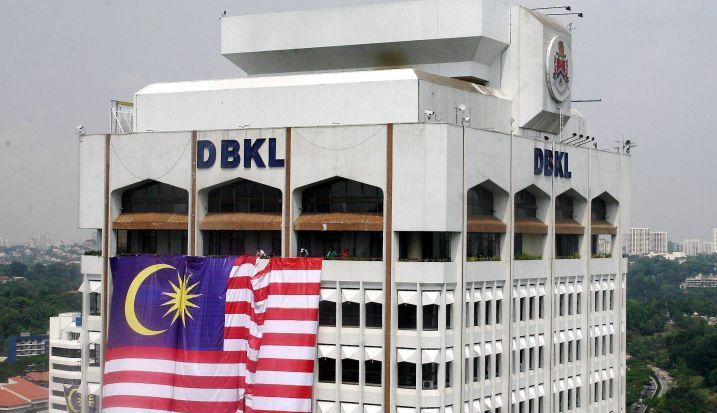
The Malaysian Cabinet has effectively put the brakes on proposed changes to the Federal Capital Act 1960, insisting instead that Kuala Lumpur City Hall (DBKL) must first demonstrate stronger internal governance and accountability systems. The directive, issued through Minister in the Prime Minister's Department (Federal Territories) Hannah Yeoh, marks a significant recalibration in how the federal government intends to address long-standing complaints about the city authority's administrative effectiveness and transparency.
This decision follows a comprehensive four-month feasibility study conducted by International Islamic University Malaysia (IIUM) between December and March, which examined the mechanics of how Kuala Lumpur is currently governed and evaluated competing proposals for structural reform. The study, which included consultations with Kuala Lumpur's parliamentary representatives and DBKL's senior management, provided detailed analysis of the city authority's administrative apparatus, decision-making protocols, service delivery mechanisms, enforcement capabilities and overall institutional framework. Rather than endorsing wholesale legal amendments, the researchers concluded that many of DBKL's operational difficulties stem from preventable internal failures rather than statutory deficiencies.
The timing and direction of this Cabinet order address a festering controversy within Malaysia's capital city governance structure. Multiple parliamentary MPs representing Kuala Lumpur constituencies had proposed establishing a City Council composed of the seven MPs to serve an advisory function to the mayor. Simultaneously, the Prime Minister's Policy Advisory Committee had advanced an alternative proposal involving the creation of a Supreme Council to reform the legal status of the mayoral office. Both proposals promised greater democratic input and distributed decision-making authority. The IIUM study, however, rejected the councillor system as counterproductive, warning that introducing additional deliberative bodies would create overlapping jurisdictions, diffuse accountability and muddy the lines of responsibility.
Understanding the constitutional framework underpinning Kuala Lumpur's governance is essential to appreciating why the Cabinet accepted the IIUM findings. Under Section 5(1) of the Federal Capital Act 1960, Kuala Lumpur operates as a "corporation sole"—a legal structure in which executive authority vests entirely in the office of the mayor rather than in a collective governing body. This arrangement fundamentally distinguishes the capital's administration from that of other Malaysian municipalities, which operate under the Local Government Act 1976 with elected or appointed councils wielding executive powers. The IIUM study cautioned that introducing a councillor system with genuine decision-making authority could inadvertently transform Kuala Lumpur into a conventional local authority, potentially contradicting the original 1974 federal-state agreement that placed the capital directly under national government control.
Instead of legislative amendment, the study advanced a more nuanced reform agenda centred on strengthening internal institutional mechanisms. Researchers identified inadequate internal guidelines, vague operating procedures and poorly defined protocols governing meetings and decision-making as root causes of DBKL's management challenges. The proposed remedy involves formalising a comprehensive governance framework that would establish clear criteria and quotas for professional and non-governmental organisation representatives appointed to DBKL's existing Advisory Board. This framework would encompass standardised meeting procedures, protocols for evaluating proposals, reporting mechanisms and clarified working relationships between the board, the mayor, the Federal Territories minister and DBKL management. The approach prioritises institutional discipline over structural reorganisation.
The study also recommended empowering parliamentary oversight without ceding administrative authority to MPs. Under the proposed arrangement, Kuala Lumpur's seven MPs would gain enhanced mechanisms for monitoring DBKL's performance and channelling constituent grievances, but would not receive formal appointment powers or direct administrative control. Instead, their involvement would be formalised through scheduled consultation meetings, dedicated monitoring committees, structured budget reviews and formally established channels for escalating resident concerns to DBKL and the Federal Territories minister. This calibrated enhancement of parliamentary engagement attempts to balance democratic representation with administrative clarity, preserving the mayor's unambiguous responsibility for city management while ensuring elected representatives can effectively advocate for their constituents' interests.
Federal Territories Department officials and DBKL's leadership are now tasked with developing a comprehensive transformation plan that operationalises these recommendations. The Federal Territories Department and city authority will focus on improving decision-making processes, strengthening internal checks and balances, and enhancing overall management effectiveness through administrative measures rather than statutory revision. The Cabinet indicated its intention to receive periodic progress reports on the implementation of these reforms, signalling sustained federal-level attention to the city's governance performance. This phased approach reflects a preference for demonstrable improvement through administrative discipline before committing to constitutional-level changes.
For Malaysian observers and regional analysts monitoring governance trends, the Cabinet's decision illuminates an important principle: that institutional effectiveness frequently depends on how existing legal frameworks are operationalised rather than on structural reconstruction alone. The IIUM study's core finding—that DBKL's problems reflect implementation and procedural deficiencies rather than statutory inadequacy—suggests that Malaysian governance challenges across multiple jurisdictions may yield to managerial and procedural reform before necessitating expensive and politically contentious legislative amendments. This approach carries particular significance for other federal territories and city authorities grappling with similar questions about governance structure and accountability.
The decision also reflects broader questions about balancing democratic participation with administrative efficiency in urban governance. While the rejected councillor proposal appealed to MPs seeking greater formal involvement in capital city management, the IIUM study's concern about multiplying decision-making layers resonates with international public administration theory emphasising clarity of responsibility and streamlined decision pathways. The Cabinet's acceptance of these reasoning suggests receptivity to evidence-based governance analysis that prioritises institutional functionality over structural symmetry with other local authorities.
Looking forward, the success of DBKL's reform agenda will depend substantially on institutional commitment to implementing the proposed governance framework. The transformation plan currently under development will reveal whether DBKL and the Federal Territories Department genuinely prioritise the procedural discipline and transparency mechanisms the study recommended, or whether the Cabinet directive becomes another unfulfilled governance commitment. Residents and MPs alike will scrutinise whether formalised guidelines and structured consultation mechanisms produce meaningful improvements in service delivery, financial accountability and responsiveness to city residents' concerns. The next phase will test whether administrative reform proves sufficient or whether future Cabinet consideration of Federal Capital Act amendments becomes inevitable.

