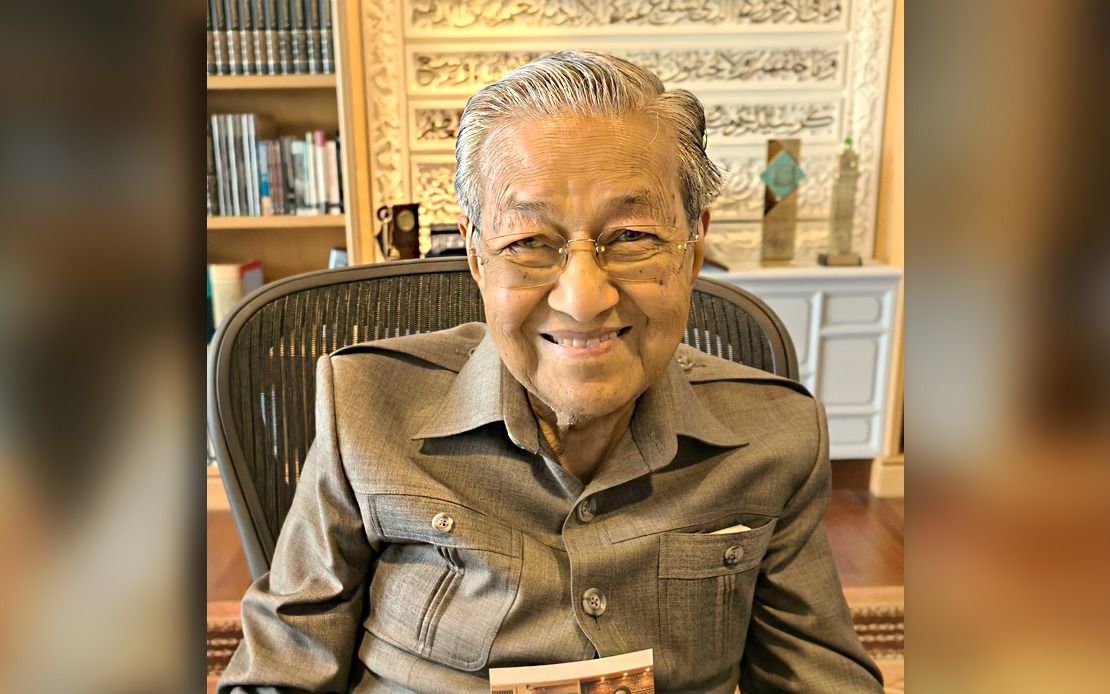
Members of the Malaysian Cabinet have extended warm birthday greetings to former Prime Minister Tun Dr Mahathir Mohamad as he celebrates his 101st birthday on July 10, underscoring the respect and regard in which the veteran statesman continues to be held within government circles. The public tributes from serving ministers reflect both the historical significance of Dr Mahathir's longevity and his enduring influence on Malaysia's political landscape, even in his retirement from active office.
Communications Minister Datuk Fahmi Fadzil shared his wishes through social media, praying that Dr Mahathir would enjoy sustained good health, happiness and a life enriched with blessings. In his Facebook post, Fahmi emphasised the exceptional nature of reaching such an advanced age, describing the 101-year milestone as "an incredible achievement" worthy of national acknowledgement. The minister's message reflected a common theme among those paying respects—recognition of both the personal achievement of longevity and Dr Mahathir's continued influence on Malaysian public discourse.
Additional Cabinet-level congratulations came from Minister in the Prime Minister's Department (Law and Institutional Reform) Datuk Seri Azalina Othman Said and Higher Education Minister Datuk Seri Dr Zambry Abd Kadir. Both extended similar sentiments, invoking religious blessings and expressing hopes for Dr Mahathir's continued wellbeing. Their involvement in the public birthday acknowledgments demonstrates the breadth of support for the former premier across different ministerial portfolios and policy areas, suggesting a cross-party recognition of his historical importance to the nation.
Dr Mahathir Mohamad was born on July 10, 1925, in Alor Setar, the capital of Kedah state in Malaysia's northern region. His political career spanning multiple decades has left an indelible mark on the country's trajectory. He served as Prime Minister during two distinct periods: his initial tenure from 1981 to 2003 lasted 22 years, during which he oversaw Malaysia's transformation into a newly industrialising economy and pursued the ambitious Vision 2020 development agenda. This first period established him as one of Southeast Asia's most influential and longest-serving leaders.
His return to the Prime Minister's office from 2018 to 2020, at the age of 92, created an unprecedented moment in global politics. Dr Mahathir's comeback was driven by a coalition government seeking experienced leadership to navigate political and economic challenges following the 2018 general election. This appointment made him the world's oldest serving prime minister at the time, setting a record that generated international attention and debate about age, experience and political capability. His second tenure, though shorter than his first, remained significant for its symbolic representation of continuity during a period of political turbulence in Malaysia.
The reaching of 101 years of age carries particular cultural and social significance in Malaysia, where longevity is traditionally celebrated and respected within both Malay-Muslim and broader Asian traditions. Dr Mahathir's achievement of this age milestone gains additional weight given his continued intellectual engagement with Malaysian politics and policy matters despite his official retirement from office. His occasional public statements on contemporary issues indicate that his influence extends beyond mere historical recognition.
The Cabinet ministers' birthday wishes also subtly reflect Malaysia's ongoing relationship with its political heritage. Dr Mahathir's dominance during the 1980s and 1990s shaped institutional frameworks, economic policies and strategic orientations that continue to structure Malaysian governance today. Current office-holders, regardless of their political affiliation, operate within institutional and policy parameters that bear the imprint of his long tenure. Public recognition of his birthday thus becomes a moment to acknowledge both the historical continuity of Malaysian governance and the complex legacy of a figure whose impact spans multiple generations of political and economic development.
The public nature of these birthday tributes, coming through official government channels and social media platforms, serves multiple functions within Malaysian political culture. Such gestures maintain diplomatic courtesy toward an elder statesman while simultaneously reinforcing narratives of stability and institutional continuity. For an international audience, the prominence given to Dr Mahathir's birthday demonstrates Malaysia's respect for its elder leaders and its integration within frameworks of traditional values alongside modern governance practices.
Dr Mahathir's longevity and continued engagement with public affairs have also made him a symbol of Malaysia's gerontocratic political culture, where experience and age carry substantial weight in leadership considerations. His ability to remain intellectually active and influential well into his second century sets an implicit standard for political engagement across the region. This contrasts with some international contexts where retirement from office tends to result in rapid fading from public discourse, highlighting the distinct character of Southeast Asian political traditions where elder statesmen maintain consulting roles and moral authority.
The specific religious invocations included in the ministers' messages—prayers for Allah's mercy and blessings—also reflect the integration of Islamic values within Malaysia's official political communication. Such language is standard practice within Malaysian governance but takes on particular resonance when directed toward an elder who has shaped the country's Islamic institutional development. Dr Mahathir's policies during his tenure significantly influenced Malaysia's approach to Islam, Islamic education, and the role of religious institutions within a multi-religious state framework.
Looking forward, Dr Mahathir's continued presence as a centenarian political figure serves as a reminder of Malaysia's political continuity across multiple decades. While he no longer holds executive office, his occasional public interventions on matters of national importance continue to generate media attention and public discussion. The Cabinet ministers' birthday acknowledgments thus represent not merely polite formality but recognition of a figure whose historical importance and ongoing symbolic weight remain relevant to contemporary Malaysian politics and governance.

