The Malaysian Cabinet has set a firm two-week deadline for the Ministry of Home Affairs and Ministry of Transport to present a comprehensive plan addressing vulnerabilities in airport security systems across the country. Home Minister Datuk Seri Saifuddin Nasution Ismail made the announcement during a press conference in Sandakan, emphasizing that recent security incidents have raised serious questions about the effectiveness of existing protocols and control measures at Malaysian airports.
The government's decision reflects deep concern that a series of breaches has undermined Malaysia's standing internationally and created perceptions of systemic weakness in border control. Saifuddin underscored that the Cabinet views these incidents with considerable gravity, noting that they suggest security checkpoints at major entry points have failed to prevent unauthorised movements of goods and individuals. The timeline imposed on both ministries signals the urgency with which the government intends to address what officials acknowledge are genuine gaps in operational capacity and coordination.
One high-profile case that prompted the action involved the arrest of a Malaysian pilot following the seizure of approximately 25 kilograms of MDMA—a controlled substance—at Indonesia's Soekarno-Hatta Airport the previous week. This incident, involving a licensed aviation professional, has particularly alarmed authorities and heightened scrutiny of how thoroughly personnel are being vetted and monitored. The case demonstrates that security lapses extend beyond airport infrastructure to encompass human elements within the aviation industry, complicating the challenge facing policymakers.
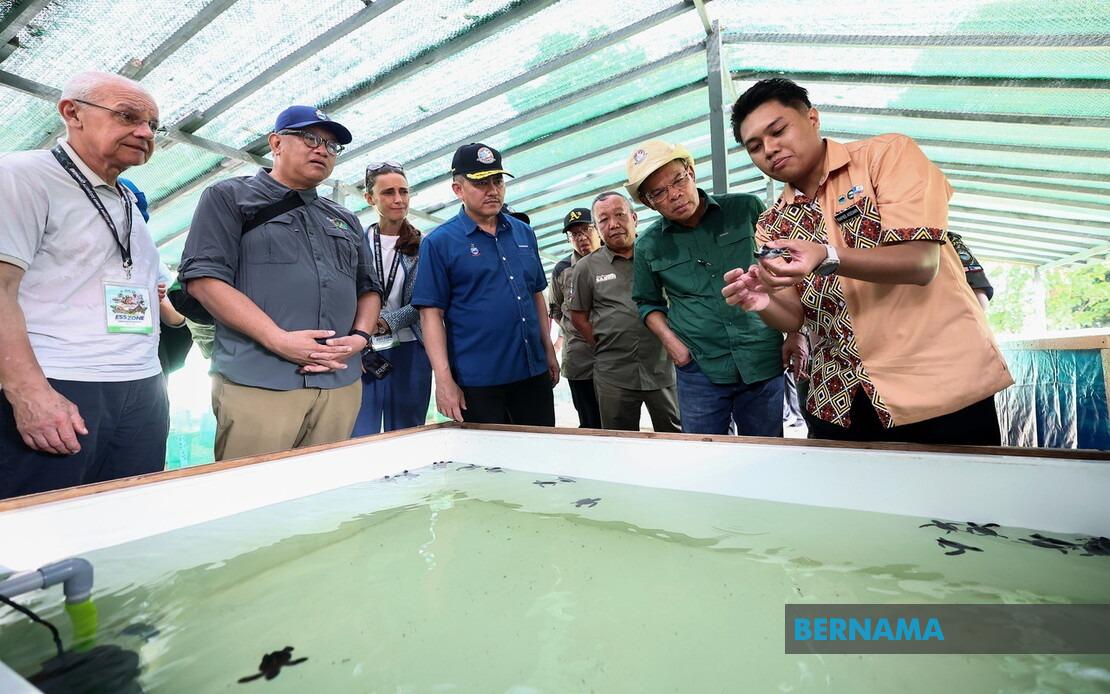
During his visit to eastern Sabah, Saifuddin had engaged with diplomatic missions in what appears to be a coordinated effort to reassure international partners about Malaysia's security environment. Accompanying him were the commander of the Eastern Sabah Security Zone, Datuk Victor Sanjos, and its chief executive officer, Datuk Dr Jamaluddin Mohd Ali. This diplomatic engagement underscores that airport security improvements form part of a broader strategy to restore confidence in Malaysia's ability to manage strategic challenges, particularly in regions that have historically faced transnational security threats.
Parallel to addressing airport vulnerabilities, the Home Ministry is intensifying outreach to foreign governments to encourage revision of existing travel advisories affecting eastern Sabah. Saifuddin highlighted that Japan and Switzerland have already updated their advisories following sustained briefings demonstrating improved conditions. This diplomatic initiative reflects recognition that negative travel warnings carry significant economic consequences for tourism and business investment in affected regions.
To reinforce these messaging efforts, the ministry organized a familiarization programme enabling fourteen diplomatic representatives to visit key locations throughout the Eastern Sabah Security Zone. These visits allow foreign envoys to form firsthand impressions of security conditions and tourism potential, positioning them to communicate balanced, evidence-based assessments to their home governments. The programme represents an acknowledgment that perceptions shaped by diplomatic channels carry substantial weight in international business and leisure travel decisions.
Operational data from the Eastern Sabah Security Zone provide baseline metrics for assessing current enforcement capacity. Between January and June 30, the zone's security command conducted 897,293 inspections and effected 307 arrests across land and maritime domains. Additionally, enforcement operations during this six-month period yielded 38 seizures with an estimated value of RM23.37 million, demonstrating sustained activity in interdiction efforts. These figures, while substantial, also invite questions about whether existing resource levels prove sufficient to maintain comprehensive coverage across a geographically dispersed region.
The federal government has committed considerable resources to security infrastructure in eastern Sabah, allocating RM723 million over the thirteen-year operational history of the Eastern Sabah Security Zone for asset acquisition, operational expenses, and logistical support. This investment trajectory reflects strategic recognition that the region's vulnerabilities demand sustained financial commitment and technological upgrading. However, the need for a new comprehensive airport security plan suggests that even substantial funding has not yet resolved systemic weaknesses in how Malaysia coordinates security across different agencies and geographic zones.
The two-week directive carries implications beyond airport operations, signalling to Malaysia's international partners that the government recognizes deficiencies and is committed to systematic remediation. For Malaysian businesses reliant on aviation and tourism, the announcement offers some reassurance that security lapses will receive high-level attention and resources. However, the brevity of the deadline also raises practical questions about whether two weeks permits the depth of analysis necessary for genuinely transformative security protocols, or whether the timeframe reflects political pressure to demonstrate rapid responsiveness rather than thorough planning.
The convergence of airport security concerns, diplomatic reassurance efforts, and operational enforcement metrics illustrates how security vulnerabilities in one sector create ripple effects across economic, diplomatic, and strategic dimensions. Malaysia's approach to addressing the current challenges will likely influence how the country manages future crises at critical infrastructure points. Success in developing and implementing a credible airport security enhancement plan within the stipulated timeframe could serve as a model for coordinated inter-agency response to other critical vulnerabilities, while delays or insufficient measures would further erode international confidence and complicate tourism recovery efforts.
Looking forward, the comprehensive plan directed by Cabinet will need to address not only technological and procedural improvements but also training, inter-agency coordination, and accountability mechanisms. The involvement of both Home Affairs and Transport ministries suggests recognition that airport security requires integrated approaches spanning border control, law enforcement, and aviation regulation. How effectively these ministries collaborate in developing integrated solutions will substantially determine whether the new plan represents meaningful structural reform or primarily symbolic policy adjustment.

