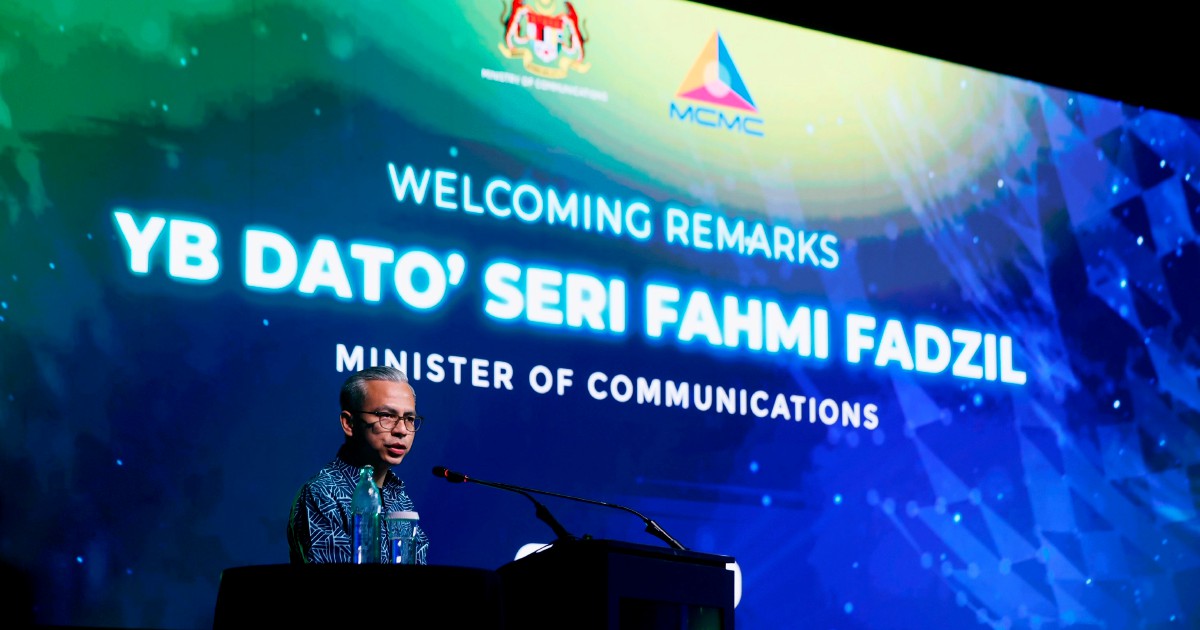
The Cabinet has weathered recent tensions over ministerial conduct during the Negri Sembilan election campaign, with Communications Minister Datuk Seri Fahmi Fadzil moving to dispel any notion of deeper rifts within the federal government. Speaking in Kuala Pilah, Fahmi sought to normalise what some observers had interpreted as signs of internal friction, framing it instead as routine discourse among colleagues bound by a shared commitment to governance.
Public remarks from different ministers regarding acceptable behaviour during the campaign had sparked speculation about underlying disagreements within the Cabinet. Such episodes invariably attract media scrutiny and feed broader narratives about governmental stability, particularly in a political climate where coalition management remains delicate. The nature of Malaysia's multiethnic, multi-party governing arrangements means that occasional public divergence on priorities or tactics does not necessarily signal systemic breakdown, though perception management remains crucial.
Fahmi's characterisation of recent interactions among Cabinet members as informal and collegial—pointedly noting that ministers had "sat down for lunch" together—was designed to signal normalcy and continuity. The casual reference underscores a deliberate narrative: disagreements can coexist with professional solidarity, and public discourse on policy matters should not be misinterpreted as evidence of coalition fragility. This messaging reflects awareness that external audiences, including investors, civil society, and regional partners, monitor Malaysian political cohesion closely.
The Negri Sembilan election campaign provided the backdrop for the recent public exchanges, with several ministers making statements that appeared to contradict or critique one another's positions on campaign discipline. Election periods consistently test ministerial unity because they bring competing priorities into sharper focus—balancing electoral imperatives against institutional norms and maintaining party discipline without compromising multiparty coalition dynamics. The Negri Sembilan contest, like many state-level campaigns, involved the participation of federal-level Cabinet ministers whose statements inevitably carry weight beyond local contexts.
Ministerial discipline during election campaigns represents a substantive governance issue with real implications for electoral integrity and public perception. Different ministers may prioritise winning margins versus institutional propriety, and public disagreement on where to draw that line creates opportunities for opposition groups to amplify apparent disunity. Fahmi's intervention suggests recognition that allowing such tensions to metastasize could damage the Cabinet's public standing and create vulnerabilities that rivals might exploit.
The broader context of Malaysian politics underscores why Cabinet unity messaging carries particular significance. The current governing coalition comprises multiple parties with distinct electoral bases and policy preferences, making internal coordination essential to avoid collapse. Any visible dysfunction at the Cabinet level reverberates through party structures and could embolden backbenchers or faction leaders seeking to challenge current arrangements. Fahmi's reassurance therefore serves a stabilisation function beyond mere public relations.
Campaign conduct norms in Malaysian politics have evolved considerably, with increasing emphasis on ethical standards and restraint even as electoral competition intensifies. Ministers holding national office occupy a privileged position and attract heightened scrutiny regarding their campaign activities. Recent experience has shown that particularly egregious conduct can invite judicial intervention or official complaints, adding another layer of complexity to the discipline question. Fahmi's department, which oversees communications and media matters, has direct interest in managing narratives around ministerial behaviour during high-stakes contests.
The timing of Fahmi's comments—offering reassurance relatively quickly after the public exchanges—suggests the Cabinet's communications team recognised the need for early message correction. Allowing speculation about internal divisions to circulate unchecked risks hardening perceptions and creating facts on the ground that become harder to dispute later. This proactive approach reflects understanding that modern political communications demand rapid response to potentially damaging narratives.
For Malaysian observers and regional watchers alike, the episode illustrates the delicate equilibrium that governing coalitions must maintain. The country's constitutional arrangement and democratic history create expectations of both Cabinet solidarity and individual ministerial accountability. Navigating that tension successfully requires both institutional discipline and sophisticated media management. Fahmi's intervention demonstrates that the Cabinet recognises the stakes and remains committed to projecting coherence even when individual ministers harbour differing views on specific issues.
Moving forward, the Cabinet's ability to manage similar situations while maintaining public confidence will depend on consistent messaging and genuine coordination among senior ministers. Periodic differences of opinion need not destabilise governments, but their uncontrolled escalation can rapidly undermine public confidence and create space for opposition forces. The lunch reference, seemingly casual, actually encapsulates a more serious imperative: ensuring that the machinery of government remains functional and seen to be functional, regardless of tactical disagreements that emerge during the inevitable stress of electoral campaigns.

