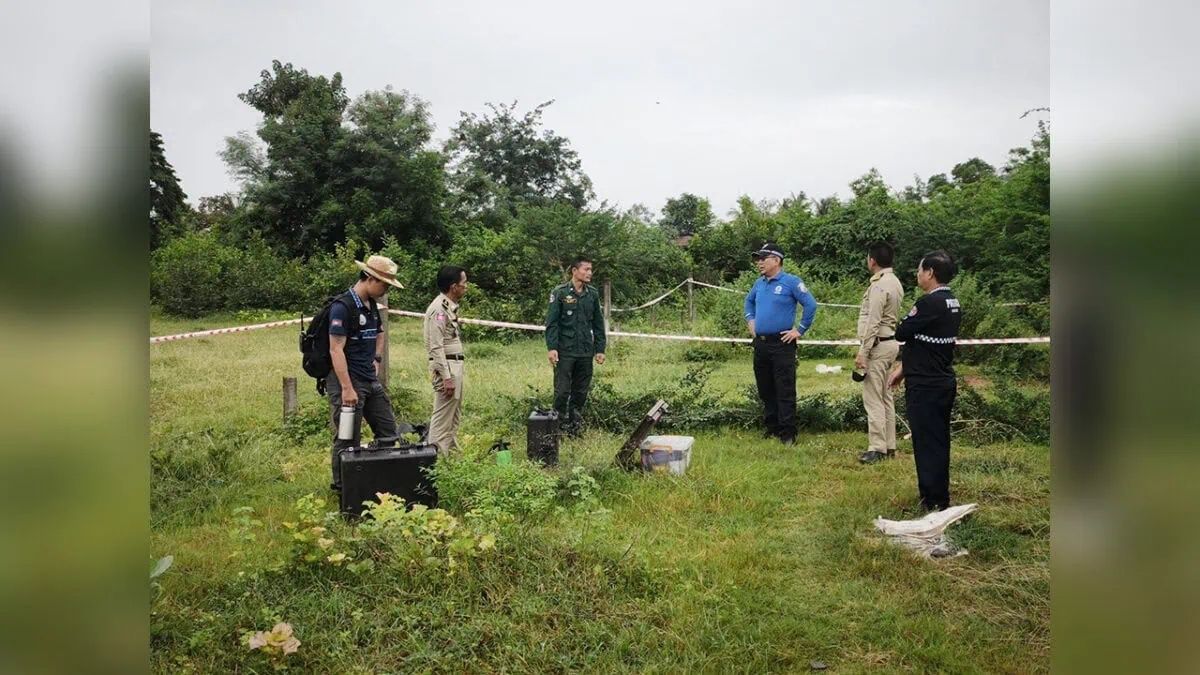
Cambodian law enforcement has opened parallel investigations into the deaths of two young children discovered in Banteay Meanchey province on July 28, marking a significant mobilisation of the country's child protection resources. The Cambodian National Police and the Child Protection Unit (CPU) confirmed on August 3 that both cases are being pursued independently, with each incident formally categorised as a child homicide requiring separate investigative protocols and forensic analysis.
The first discovery occurred in the early morning hours when a 15-month-old child's body was recovered from a pond located in Mongkol Borei district. Hours later, authorities located the remains of a five-year-old child in Teuk Thla commune, a victim whose disappearance had been reported three days earlier on July 25. The proximity of these discoveries on the same day, combined with their different locations and apparent lack of connection, initially raised concerns about possible patterns or coordinated activity, though authorities swiftly determined the cases were unrelated.
The response demonstrates Cambodia's institutional capacity for child protection investigations. The CPU's homicide investigation team immediately engaged alongside provincial police forces and the Ministry of Interior's Department of Technical and Scientific Police, assembling a multi-agency task force. This coordinated approach reflects international best practices in sensitive criminal cases, particularly those involving vulnerable victims. Forensic examinations of both crime scenes commenced promptly, with investigators collecting evidence and establishing timelines for each incident independently.
For regional observers monitoring Cambodia's progress in child welfare and law enforcement capacity, the systematic handling of these cases indicates institutional maturation in a nation historically challenged by weak criminal justice mechanisms. The CPU, operating as a specialist unit within broader policing frameworks, has increasingly professionalised investigations into crimes against children over the past decade. This focus aligns with Cambodia's commitments under international conventions on child protection and reflects donor pressure for improved accountability standards.
CPU Director James McCabe's public statement underscored the investigative commitment and resource deployment dedicated to both cases. His explicit acknowledgment that perpetrators would face prosecution represents both a practical assurance and a symbolic message that crimes against children carry serious consequences within the Cambodian legal system. The emphasis on "comprehensive and professional" investigations suggests an awareness of international scrutiny and domestic expectations that such cases receive rigorous treatment rather than perfunctory handling.
The two-child discovery raises broader questions about child safety in rural Cambodian provinces, where protective services remain underfunded and scattered. Banteay Meanchey, situated in Cambodia's northwestern region bordering Thailand, has historically experienced resource constraints typical of less-developed provincial areas. The rural setting compounds investigation challenges, as crime scenes in remote areas often yield limited physical evidence and witness interviews become more complex when communities are geographically dispersed.
The missing person case adds an additional layer of concern, as the five-year-old's three-day absence period preceded the recovery discovery. This timeline raises questions about whether earlier intervention or alert systems might have altered outcomes. Cambodia's capacity for rapid missing persons investigations remains inconsistent across provinces, with communication gaps between local authorities and national databases sometimes delaying co-ordinated searches.
Both cases highlight the vulnerability of young children in Cambodia, where poverty, limited social protection infrastructure, and uneven law enforcement presence create risk environments. Rural communities particularly lack formal childcare networks and community protection mechanisms that urban areas increasingly develop. The simultaneous investigation of two homicides strains already-limited provincial forensic and investigative resources, potentially affecting the pace or quality of other pending cases.
International child protection organisations operating in Cambodia have long advocated for strengthened prevention frameworks, arguing that reactive investigations, while necessary, cannot substitute for comprehensive child welfare systems including early intervention, family support, and community safeguarding. The CPU's professional response to these cases demonstrates capacity, yet capacity alone cannot address systemic vulnerabilities that permit such tragedies.
Authorities' decision to withhold operational details during active investigations reflects standard protocol balancing transparency against investigative integrity. However, the broader Cambodian public will likely scrutinise whether developments emerge, given the visibility of simultaneous child homicide cases and their emotional resonance within communities and national discourse on child safety.
These investigations will occupy significant attention within Cambodia's law enforcement community over coming weeks. Resolution and prosecution outcomes will signal whether the country's justice system can effectively hold perpetrators accountable in cases involving Cambodia's most vulnerable citizens. For the regional context, Cambodia's handling of these cases may influence donor confidence in the country's commitment to child protection standards and the rule of law more broadly.

