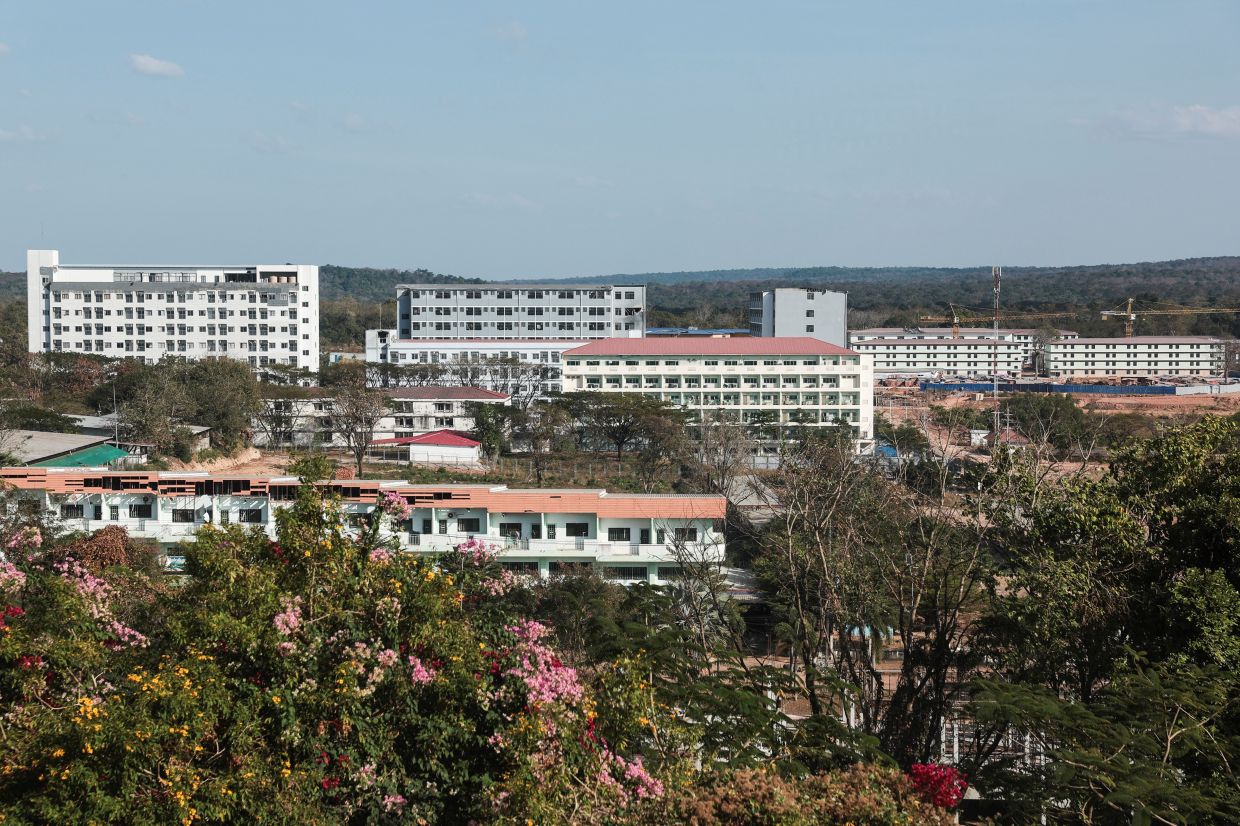
A sprawling gambling complex controlled by a prominent Cambodian entrepreneur functioned as the commercial landlord to an international fraud operation, according to findings from a major news investigation. The Lim Heng Group, which operates the Royal Hill casino near the Thai border, rented buildings within its secured compound at substantially inflated rates to individuals running cyberscamming and human trafficking enterprises, documents and on-site inspections have revealed.
The rental agreement dated March 2024 stipulated that three structures within the Royal Hill grounds would be leased for US$200,000 monthly to a Chinese national—a price dramatically exceeding market rates in rural border locations. For context, comparable commercial space in upscale neighbourhoods of Phnom Penh, Cambodia's capital, commanded only US$25,000 per month. This enormous premium suggests either exceptional commercial intent or deliberate obfuscation of the rental arrangement's true purpose, raising questions about what due diligence the landlord undertook regarding tenant activities.
Inside these rented buildings, law enforcement and former workers discovered rooms meticulously designed to impersonate police stations and banking offices from countries across the globe. These carefully constructed facades served as stages for elaborate confidence schemes targeting victims worldwide. Romance scams, where perpetrators pose as potential romantic partners to extract money, and police-impersonation fraud, wherein criminals falsely claim victims have legal trouble requiring immediate payment, represented the primary criminal enterprises operating from the compound. The systematic nature of these operations—complete with genuine-looking backdrops, coordinated scripts, and industrial-scale victim databases—indicates sophisticated criminal infrastructure rather than opportunistic fraud.
The Lim Heng Group maintains it had no direct involvement in the trafficking or fraudulent activities conducted within its rented properties, and the company declined to respond to detailed inquiries about its knowledge of tenant operations or the circumstances surrounding the exceptionally high lease rates. Legal experts note that Cambodian law potentially holds landlords liable for knowingly permitting their properties to facilitate crimes, creating a legally ambiguous position for property owners whose tenants conduct illicit activities on their premises. The absence of responses from either the casino operator or its representatives prevents fuller understanding of what background checks, if any, accompanied the leasing arrangement.
The compound's connection to international crime networks reveals broader patterns within Southeast Asia's underground economy. The region has become a principal hub for coordinated scamming operations, primarily orchestrated by Chinese-affiliated criminal syndicates that exploit regional economic disparities and legal enforcement gaps. American victims alone lost approximately US$10 billion to fraudsters operating from Southeast Asian bases during 2024, according to government estimates. These criminal networks frequently operate alongside gambling establishments, which provide convenient mechanisms for laundering illicit proceeds and converting illegal gains into ostensibly legitimate casino winnings.
Cambodia's gambling sector demonstrates particularly concentrated links to scamming infrastructure. Amnesty International documented that casino owners maintained direct operational control over at least a dozen scam centres, basing these findings on gambling regulator records and witness testimony. The intersection of legitimate gaming operations and criminal enterprises reflects both the profitability of location-based fraud and the regulatory vulnerabilities within Cambodia's gaming licensing and oversight mechanisms. Academic researchers studying Cambodian politics note that casino ownership frequently correlates with political connections, creating situations where commercial interests become intertwined with state power structures.
Lim Heng himself represents this nexus of business prominence and political proximity. The businessman has been photographed attending functions with senior military officials, maintains a royal title equivalent to a duke, and contributed US$20,000 to Cambodia's military apparatus last year. Such connections theoretically could facilitate both preferential business treatment and potential insulation from regulatory scrutiny. These relationships merit particular attention given that landlords with significant political capital might face different legal exposure than independent commercial operators, creating systemic inequities in fraud prosecutions.
Cambodia's government has publicly committed to eliminating scamming centres and has taken some enforcement actions, including extraditing casino operator Chen Zhi to China on allegations of directing scamming networks. Recently enacted legislation directly targets fraud perpetrators. However, official characterizations of Royal Hill have remained consistently misleading—state authorities repeatedly classified the compound as a hotel facility even as international media broadcast images of the fake police stations and banking offices discovered within its grounds. This apparent disconnect between observable criminal infrastructure and official governmental descriptions suggests either systemic gaps in intelligence sharing between agencies or reluctance to acknowledge the scope of politically connected individuals' involvement in facilitating international crime.
The Thai military's involvement adds another geopolitical dimension to the situation. Thai forces occupied the Royal Hill compound following a brief December border conflict, subsequently inviting international journalists to document the scam infrastructure they discovered. Thai security officials reported that Chinese criminal figures coordinated scamming operations from the site, though they provided limited specificity regarding the network's leadership or operational scale. Thailand's direct military intervention and ongoing site occupation raise complex questions about cross-border law enforcement cooperation, sovereignty considerations, and whether military action represents an appropriate enforcement mechanism for addressing transnational organised crime.
Chhay Sinarith, the Cambodian minister responsible for combating online fraud, responded to investigation findings by reiterating the government's commitment to international cooperation in fighting scams and confirming that investigations were ongoing in the Royal Hill vicinity. However, he notably stated that Thai security forces should return control of seized locations to Cambodia, suggesting potential tensions between the two countries regarding custody of evidence and investigative jurisdiction. This territorial dispute could substantially complicate prosecutorial efforts and evidence preservation, potentially allowing time for criminal networks to reorganise or relocate operations.
The Royal Hill situation crystallises multiple vulnerabilities within Southeast Asia's capacity to combat international organised crime. Regulatory frameworks governing casino operations appear insufficient to prevent criminal entities from embedding operations within legitimate gambling complexes. Commercial leasing practices lack transparent beneficial ownership verification or adequate tenant screening mechanisms. Political connections create incentive structures potentially rewarding those who facilitate criminal activity rather than reporting it. Cross-border legal cooperation, while improving, remains encumbered by sovereignty questions and diplomatic friction. Until these structural gaps are systematically addressed through coordinated regional policy initiatives and enforcement cooperation, Southeast Asia will likely remain an attractive operational base for transnational scamming networks exploiting millions of victims globally.
For Malaysian observers, these developments carry direct relevance. Malaysia's geographic proximity to Cambodia, substantial Chinese diaspora communities, and established financial infrastructure make it a potential transit point or destination for proceeds laundered through regional scamming operations. Understanding how casinos and other legitimate enterprises become compromised by international criminal networks informs domestic policy discussions regarding gaming regulation, beneficial ownership transparency, and cross-border enforcement cooperation. The Royal Hill case demonstrates that preventing such criminal compromise requires systematic attention extending far beyond traditional law enforcement into commercial governance, regulatory oversight, and political accountability structures.

