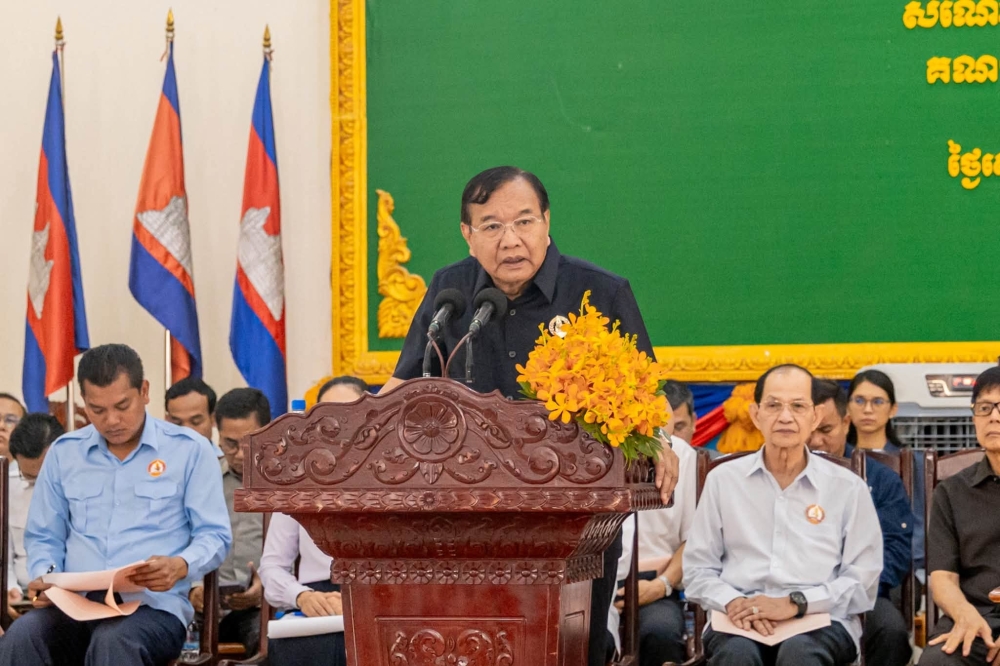
Cambodian Deputy Prime Minister and Minister of Foreign Affairs and International Cooperation Prak Sokhonn touched down in Malaysia this week for a significant two-day diplomatic engagement, underscoring the importance both nations place on their regional relationship. The high-level visit, which began at Kuala Lumpur International Airport in Sepang, comes at a time when ASEAN nations are intensifying efforts to coordinate policies and enhance economic integration across the bloc.
The arrival of Prak Sokhonn, one of Cambodia's most influential government figures, signals Cambodia's commitment to deepening ties with Malaysia beyond traditional diplomatic protocols. As both foreign minister and deputy prime minister, his dual portfolio places him at the centre of Cambodia's strategic decision-making, making this visit particularly consequential for bilateral agenda-setting. The timing aligns with broader ASEAN activities and reflects Cambodia's role as an active participant in the regional grouping's ongoing initiatives.
Official visits of this calibre typically encompass a range of substantive discussions spanning trade facilitation, investment promotion, cultural exchanges, and security cooperation. Malaysia and Cambodia share common interests in maritime security, counterterrorism efforts, and the prevention of transnational crime—issues that affect stability across Southeast Asia. The two countries have longstanding people-to-people connections, with significant Cambodian communities in Malaysia and established business networks linking entrepreneurs in both nations.
From a Malaysian perspective, this engagement reinforces the country's strategic positioning within ASEAN and its broader Indo-Pacific neighbourhood. Cambodia's perspective as a continental Southeast Asian state offers Malaysia valuable insights into mainland developments, while Cambodia benefits from Malaysia's experience as a more economically developed maritime trading hub. Such high-level exchanges help maintain the networks of trust and understanding essential for regional cooperation on complex transnational challenges.
The visit programme typically includes meetings with Malaysian government officials, including those from the Foreign Ministry and other relevant portfolios. Such engagements allow both delegations to review the status of existing agreements and explore new areas of cooperation. Trade statistics, investment flows, and tourism patterns between the two nations usually feature prominently in these discussions, as officials seek to identify opportunities for mutual benefit and removal of barriers to commerce.
Cultural and educational dimensions often feature in bilateral visits, reflecting the importance both nations place on people-to-people connectivity. Student exchange programmes, academic partnerships, and cultural initiatives help build generational links that sustain friendships between countries beyond the realm of formal diplomacy. These softer elements of engagement, while less headline-grabbing than trade deals, create lasting foundations for stable international relationships.
Within the ASEAN context, Cambodia and Malaysia navigate a complex landscape of overlapping interests and occasional tensions. Both nations benefit from the bloc's mechanisms for managing disputes peacefully and maintaining open dialogue channels. Visits like this one demonstrate the commitment of ASEAN members to addressing bilateral issues through constructive engagement rather than confrontation, a principle that underpins the Association's fundamental approach to regional affairs.
The visit also comes amid global economic uncertainties affecting Southeast Asia, with inflation, supply chain disruptions, and shifting trade patterns impacting both nations' development prospects. Bilateral discussions likely touch upon strategies for economic resilience, opportunities within the ASEAN Trade in Goods Agreement (ATIGA), and potential cooperation in green energy and digital economy sectors—areas where both countries see significant growth potential.
From Cambodia's standpoint, maintaining strong relations with Malaysia—a key ASEAN player with significant economic clout and diplomatic influence—remains strategically valuable. Malaysia's seat at multiple regional forums, its role in ASEAN's dialogue partnerships, and its economic ties to major powers make it a natural partner for Cambodia's foreign policy objectives. Similarly, Malaysia values Cambodia's cooperation on ASEAN consensus-building and appreciates Cambodia's contribution to regional stability, particularly given its geographic position and historical experiences.
The two-day duration of the visit suggests a comprehensive agenda addressing multiple policy areas rather than a single focal issue. Bilateral visits of this length typically include state-level courtesy calls, working sessions with technical delegations, and social events that facilitate informal dialogue often proving as valuable as formal negotiations. Such formats allow officials to explore nuanced positions on contentious issues and identify creative solutions acceptable to both parties.
Looking forward, this visit sets the tone for Malaysia-Cambodia relations in the coming months and potentially shapes both countries' positions on regional matters being debated within ASEAN forums. The outcomes—whether expressed through joint statements, memoranda of understanding, or simply through renewed commitments to existing arrangements—will influence how the two nations approach collective decision-making in the bloc and tackle shared challenges ranging from climate change to maritime security.

