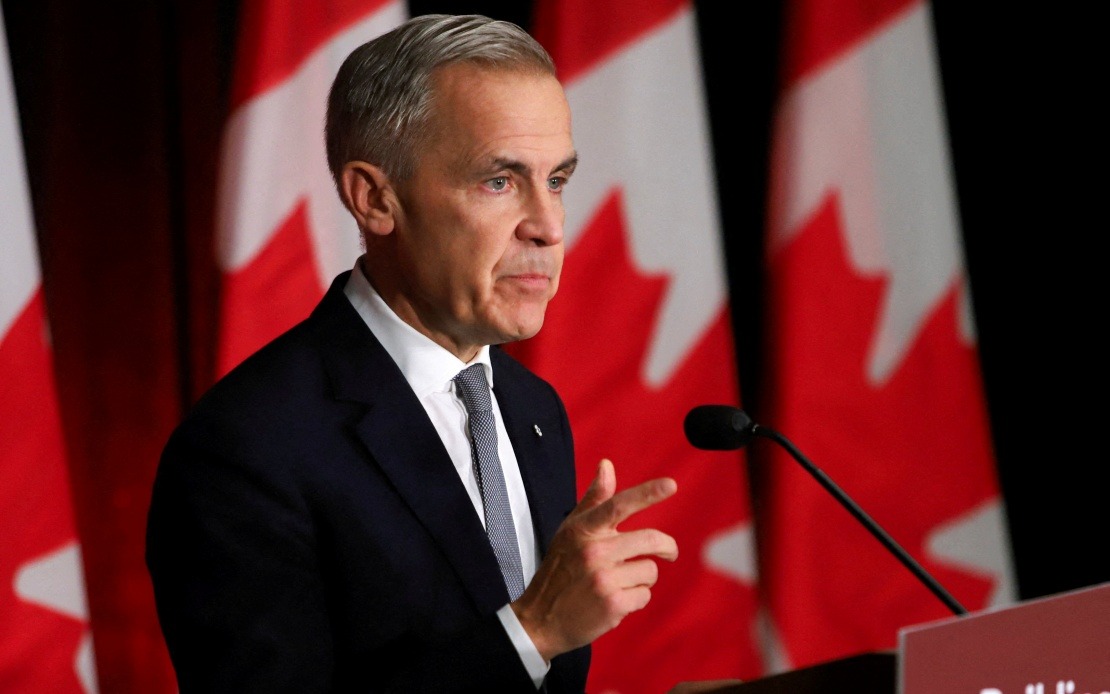
Canadian Prime Minister Mark Carney announced on Tuesday that he had held direct talks with US President Donald Trump, with both sides committing to accelerate their trade discussions in the coming weeks. The conversation marks a diplomatic pivot as tensions over cross-border commerce continue to mount between Ottawa and Washington, signalling that despite public friction, private channels remain engaged on finding a resolution to the escalating dispute.
The proclamation for renewed negotiations comes just one day after Trump signed three executive orders on Monday imposing an additional 50 per cent tariff on a range of Canadian goods. According to documents released by the White House, the enhanced duties will target certain dairy products, alcoholic beverages, motor vehicles and related goods, with the measures set to take effect on August 19. However, several product categories have been granted exemptions, including energy products, potash, fish and critical minerals—a carve-out that suggests some selectivity in the administration's approach.
In his public remarks, Carney stated that he and his team were preparing contingency responses should the tariffs proceed as scheduled. "We will look at all options in terms of how we would respond if (the tariffs) do come into effect," he said, indicating that Ottawa is simultaneously pursuing negotiation while preparing retaliatory measures. This dual approach reflects the delicate balance Canadian officials must maintain: demonstrating resolve to domestic audiences and business stakeholders while preserving openings for diplomatic settlement.
The tariff dispute has been framed by the Trump administration as a response to what it characterizes as discriminatory Canadian trade practices. The US president asserted that Canada has been unfairly targeting American commerce, justifying the unilateral action as necessary to protect domestic producers and workers. This rationale, however, has drawn sharp criticism from Ottawa, which views the tariffs as undermining the foundational principles of continental trade relations.
Carney's response on Monday rejected the American justification, describing the new tariffs as "the latest in a series of unilateral US trade actions in direct violation of the Canada-United States-Mexico Agreement." This framing is significant for regional observers, as it elevates the dispute beyond bilateral grievances to a question of whether either signatory can unilaterally override the commitments made under the 2020 trade agreement that replaced NAFTA. Such actions, if allowed to stand without consequence, could undermine confidence in the stability of major trade arrangements across North America.
For Malaysian and Southeast Asian business communities, the Canada-US trade friction carries implications beyond the immediate parties involved. Many regional exporters have integrated their supply chains across North America, and disruptions to Canadian-American commerce often ripple through global logistics networks. Malaysian manufacturers in sectors such as automotive components, electronics, and petrochemicals maintain significant exposure to North American markets, making the outcome of these negotiations relevant to regional economic stability.
The exemption of energy products and critical minerals from the tariff regime suggests that certain sectors deemed strategically important have retained access, even as trade conflict deepens in other areas. This selective approach indicates that the Trump administration may be responsive to economic leverage and strategic considerations, potentially creating openings for negotiated solutions. The inclusion of critical minerals in the exempt list is particularly noteworthy given global competition for these resources and their importance to emerging technologies.
The timing of these negotiations, compressed into "the coming weeks" according to Carney, suggests both sides recognize the urgency of preventing the August 19 implementation date from becoming a point of no return. Historically, such compressed negotiating windows can produce either breakthrough agreements or hardened positions as deadlines approach. The intensity of talks will likely determine whether the tariffs are averted, suspended pending further negotiation, or proceed as scheduled while talks continue.
From a regional perspective, Southeast Asian observers should note the broader implications of how Washington and Ottawa manage this dispute. The principles at stake—whether major trading nations can impose unilateral tariffs without justification under binding agreements, and whether smaller trading partners can credibly challenge such actions—will likely influence how other nations approach their own trade relationships and negotiate future commercial arrangements with North American partners.
Canada's prepared response options, if needed, would likely target American exports in sectors where Canadian import dependence is high or where political sensitivity exists in key US states. Such reciprocal measures would extend the economic costs of the dispute beyond Canadian producers and could catalyze greater pressure on the Trump administration to seek compromise. The stakes have thus been calibrated to encourage serious negotiation rather than prolonged confrontation.
The coming weeks will reveal whether the commitment to "intensify negotiations" translates into substantive progress or merely provides a diplomatic veneer for deeper entrenchment. For regional traders and investors watching North American stability, the outcome will signal whether rules-based trade frameworks retain their strength or have become malleable tools for unilateral advantage.

