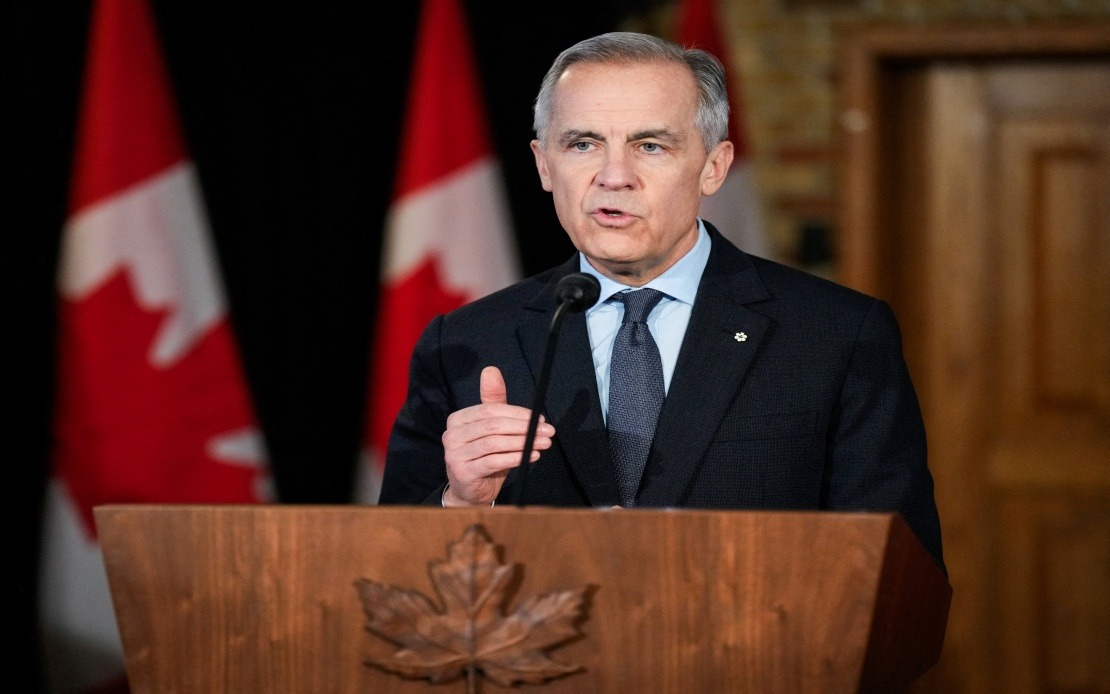
Canadian Prime Minister Mark Carney has confirmed that the temporary reprieve from punitive American tariffs will last only until the end of this week, signalling the compressed timeframe both nations face in resolving their trade dispute. Following President Donald Trump's overnight announcement that a 50 per cent tariff pause had been granted, Carney released a statement emphasising that the suspension remains conditional and time-limited, expiring at the close of business on August 21. This narrow window reflects the escalating urgency in Washington-Ottawa negotiations, with each side aware that failure to reach agreement could trigger substantial economic disruption across both countries.
The Canadian Prime Minister characterised the ongoing discussions as having achieved substantial momentum, yet he carefully noted that considerable work remains before a final deal can be struck. His measured language suggests that while negotiators have narrowed their differences on key issues, fundamental disagreements persist on several fronts. The diplomatic tone employed by Carney indicates a recognition that public pressure and political posturing could derail talks in their final stages, necessitating a focus on pragmatic compromise rather than maximalist demands from either capital.
The August 21 deadline carries particular significance for Canadian policymakers and business leaders, who have watched the tariff threat accumulate over recent weeks. A 50 per cent duty on Canadian goods would affect major sectors including automobiles, energy, agriculture, and manufactured products, creating immediate supply chain disruptions and inflationary pressures throughout the North American economy. For Malaysian and Southeast Asian manufacturers with Canadian operations or trade relationships, such tariffs would reverberate through integrated regional value chains, potentially affecting export competitiveness and input costs across the wider Indo-Pacific region.
The pause granted by Trump represents a tactical concession designed to provide political cover for both sides during final negotiations. Rather than immediately implementing threatened duties, the American administration has opted for a structured negotiating window, suggesting that behind-the-scenes discussions may be closer to resolution than public statements indicate. This approach allows both capitals to claim progress while maintaining the threat of escalation if agreements cannot be finalised, thereby preserving leverage for their respective negotiating teams.
Carney's emphasis on Canada's commitment to economic independence and competitiveness hints at a broader strategic objective underpinning Ottawa's negotiating position. Beyond the immediate tariff dispute, Canada seeks to demonstrate resilience and the ability to develop alternative markets and supply chains, reducing long-term vulnerability to American trade pressure. This perspective reflects a recognition that the current dispute, while acute, is symptomatic of deeper structural tensions in North American trade relationships that will require sustained attention regardless of this week's outcome.
The compression of negotiations into a five-day window creates unprecedented pressure on trade officials, diplomats, and political leaders in both countries. Complex trade agreements typically require months of careful drafting, legal review, and stakeholder consultation, yet Ottawa and Washington must now compress this timeline dramatically. Such abbreviated processes increase the risk of unintended consequences or provisions that prove problematic once implementation begins, potentially creating new friction points for future disputes.
For regional observers in Southeast Asia, the Canada-US trade standoff underscores the instability introduced by unpredictable trade policies and the willingness of major powers to employ tariffs as negotiating instruments. Malaysia and other ASEAN nations have experienced similar dynamics, particularly regarding American tariff threats and retaliatory measures. The Canadian experience illustrates both the vulnerability of trade-dependent economies and the limited options available to smaller trading partners facing pressure from major economic powers with significant structural leverage.
The business communities on both sides of the Canada-US border have mobilised intensively since the tariff threats emerged, with manufacturers, retailers, and agricultural producers lobbying their respective governments for relief. This pressure from private sector stakeholders often proves decisive in trade negotiations, as politicians become acutely aware of the electoral costs of disrupting domestic industries and employment. Carney's public statements appear calibrated to reassure business confidence while managing expectations about what negotiators can realistically achieve by August 21.
The stakes extend beyond bilateral relations between Canada and the United States, touching on broader questions about the rules-based international trade system and the extent to which major economies will honour existing agreements or employ unilateral coercive measures. A resolution respecting fundamental trade principles would signal greater stability, while a deal achieved through capitulation to tariff threats would embolden further such tactics. Regional governments are watching closely to assess which precedent this dispute establishes for future conflicts.
As the August 21 deadline approaches, Canadian negotiators face mounting pressure to demonstrate tangible progress to their American counterparts while protecting key domestic interests in energy, agriculture, and manufacturing. The government's public messaging suggests confidence in reaching agreement, yet the compressed timeline and Trump's history of using tariff threats unpredictably leave substantial uncertainty. For Canadian exporters and workers dependent on cross-border trade, the next five days represent a critical period that could determine their economic stability for months or years ahead.

