A disturbing incident unfolded in the beach resort town of Cabo San Lucas on Wednesday night when a vehicle suddenly accelerated into a gathering of Mexico national football team supporters, leaving dozens injured and raising fresh concerns about crowd safety during major sporting celebrations. According to statements released by municipal authorities in Los Cabos, the collision resulted in 17 people seeking medical treatment, encompassing both spectators and the driver, who was taken into police custody immediately following the incident.
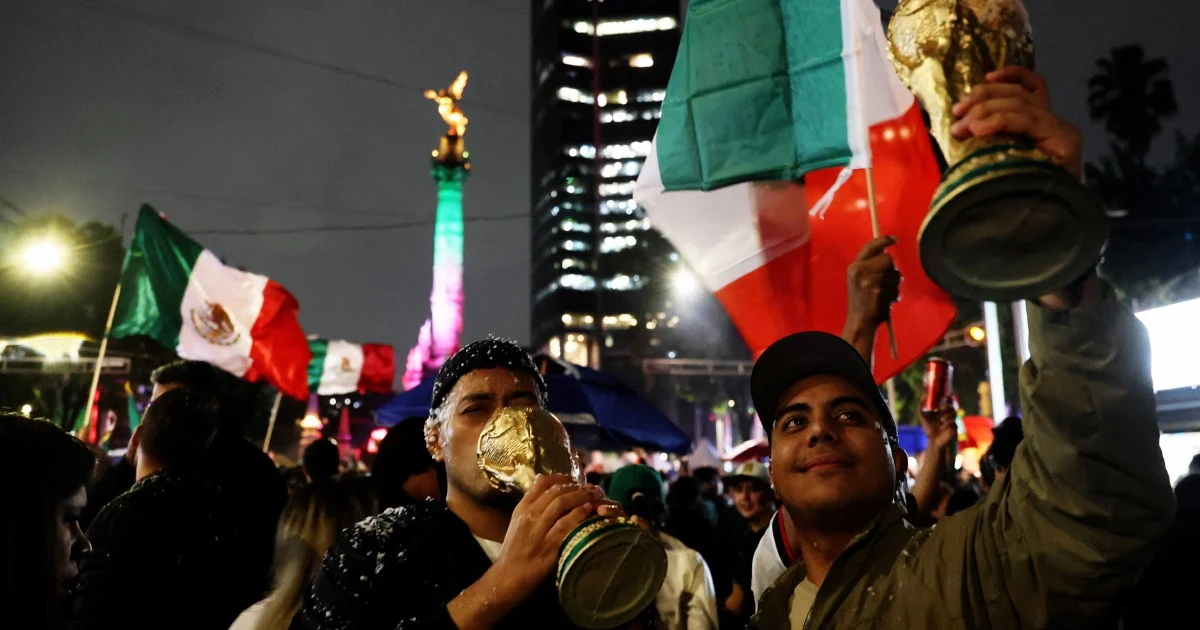
Social media documentation verified by international news agencies captures the chaotic moments surrounding the event. Footage shows a black-coloured vehicle initially positioned amid revellers dressed in Mexico's distinctive green, white, and red football jerseys. Without apparent warning, the automobile suddenly surged forward, propelling multiple individuals skyward before striking protective bollards that lined the celebratory area. The sequence of events unfolded within seconds, transforming what had been a jubilant gathering into a scene of confusion and distress.
Subsequent video recordings, also authenticated by major news outlets, reveal the immediate aftermath of the collision. Distressed crowd members can be seen extracting an individual from the vehicle whilst others respond to injured persons lying on the ground in various states of injury. The graphic nature of these recordings underscores the severity and unexpected violence of the incident, which occurred during what should have represented a moment of national sporting pride for Mexican citizens and visitors to the resort area.
Cabo San Lucas, situated at the southern tip of the Baja California Peninsula where the Pacific Ocean meets the Sea of Cortés, functions as one of Mexico's premier international tourist destinations, annually attracting hundreds of thousands of visitors seeking sun, beaches, and entertainment venues. The resort's popularity extends beyond conventional tourism, as the municipality frequently hosts large public gatherings during significant sporting occasions, when fans congregate in central areas to celebrate national team performances. The incident serves as a stark reminder of the potential dangers inherent in uncontrolled crowd situations, particularly when vehicular access to pedestrian celebration zones remains insufficiently restricted.
The circumstances surrounding the driver's actions remain under investigation by local law enforcement authorities. While the vehicle's sudden acceleration into the assembled crowd was captured on multiple camera angles, the motivation behind the incident has not yet been formally disclosed. Investigators will need to determine whether the collision resulted from mechanical failure, accidental loss of vehicle control, deliberate intent, or other contributing factors. Such determinations typically require extensive examination of the vehicle itself, witness testimonies, and any available surveillance footage from surrounding businesses and public facilities.
Mexico's World Cup participation carries extraordinary cultural and emotional significance throughout the nation, with major victories frequently triggering spontaneous celebrations in public spaces across the country. Fans gather in streets, plazas, and organised viewing areas to express collective jubilation, creating dense crowds that, while generally peaceful, present inherent organisational challenges for local authorities. This incident, occurring in one of the nation's most internationally prominent locations, raises questions about crowd management protocols and the adequacy of measures designed to prevent vehicular access to pedestrian celebration zones during high-profile sporting events.
The injuries sustained by the 17 individuals treated following the incident span varying degrees of severity, though specific medical details regarding individual conditions have not been publicly disclosed by health authorities. The inclusion of the driver amongst those receiving treatment suggests the person sustained injuries during the collision or its immediate aftermath, potentially from the vehicle's impact with bollards or from physical confrontation with crowd members responding to the incident.
For Malaysian readers and broader Southeast Asian audiences, this incident illustrates recurring challenges faced by cities and towns across the region when managing enthusiastic public responses to major international sporting competitions. Football celebrations frequently draw substantial crowds in Malaysia, particularly during AFC competitions and World Cup tournament matches. The Cabo San Lucas incident underscores the necessity for comprehensive pre-event risk assessments and the implementation of robust security measures, including careful traffic management and strategically positioned barriers designed to prevent unauthorised vehicular access to densely populated celebration areas.
The ramifications of this event extend beyond immediate medical concerns, potentially influencing how future sporting celebrations are authorised and managed in Mexico and throughout the wider region. Municipal authorities throughout Latin America, having witnessed this incident, may reconsider existing protocols for managing spontaneous public assemblies during sporting occasions. Enhanced coordination between police, municipal services, and venue managers could help prevent similar occurrences by implementing more restrictive vehicle control measures in areas anticipated to attract substantial crowds during significant sporting fixtures.
Cabo San Lucas authorities have pledged full cooperation with ongoing investigations, with city officials emphasising their commitment to establishing comprehensive facts regarding the incident. The resort municipality's leadership recognises potential reputational implications for the tourism sector, particularly given the incident's occurrence in a destination dependent upon international visitor confidence and perceptions of safety. How municipal and state authorities respond to this incident, both in terms of investigation thoroughness and preventative measures for future events, will substantially influence public confidence in crowd management practices throughout Mexico's tourist regions and may serve as a benchmark for security protocols implemented across comparable destinations throughout North America and the Caribbean.
The incident serves as a sobering reminder that moments of collective celebration, whilst generally representing society's capacity for peaceful expression and shared national identity, nonetheless require careful administrative oversight and comprehensive safety planning to protect public welfare and prevent such tragic occurrences from marring sporting occasions.

