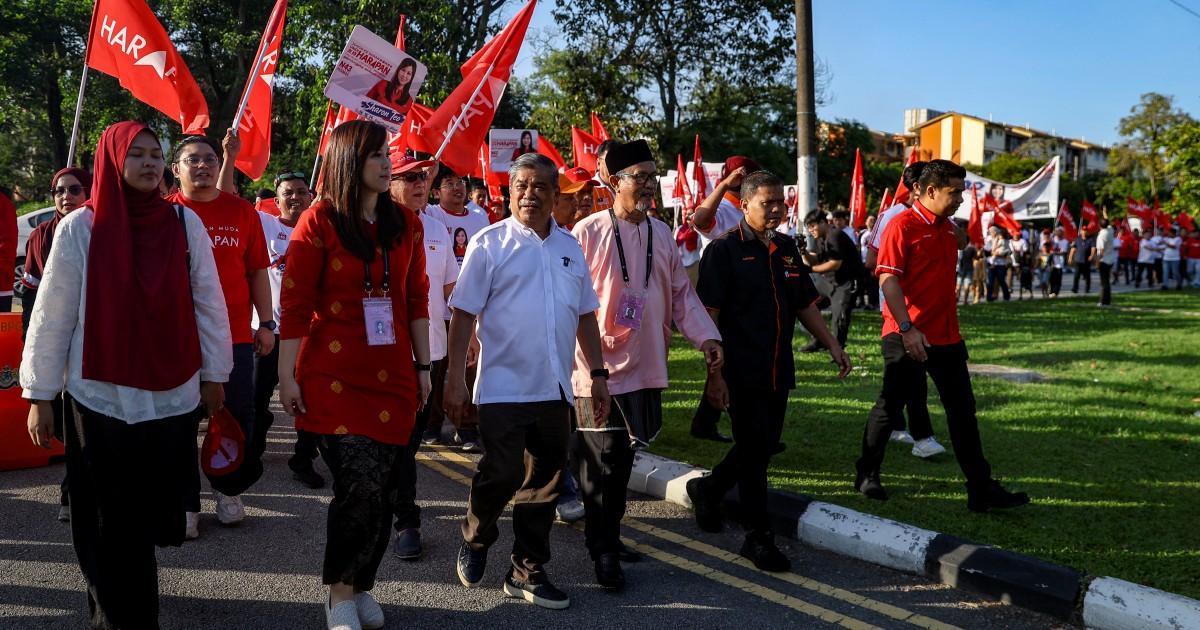
The nomination of Pakatan Harapan's Sharon Teo as the coalition's candidate for the Permas state constituency in Johor has been marked by visible displays of support from party workers and voters gathered at the filing centre in Pasir Gudang. The event underscores the coalition's continued effort to consolidate its presence in the southern state, where political fortunes have shifted considerably in recent years. As Teo made her way to the Dewan Muafakat Taman Mawar nomination centre, crowds of supporters chanted their backing for the opposition alliance, reflecting grassroots enthusiasm for the party's campaign strategy.
The Permas constituency represents a significant battleground in the broader political contest for Johor, a state that has traditionally been a stronghold for the ruling Barisan Nasional coalition but where Pakatan Harapan has been building momentum. The nomination process itself carries symbolic weight, as it formalises the coalition's candidate selection and marks the beginning of the official campaign period. For Sharon Teo, a relatively newer political figure seeking state office, the event signals the coalition's confidence in her candidacy and its commitment to fielding competitive candidates across diverse constituencies.
Johor's political landscape has undergone substantial transformation over the past decade. While the state remained under Barisan Nasional control in 2018, the subsequent political realignments at the federal level and shifting voter sentiments have created new opportunities for the opposition. Pakatan Harapan's ability to mobilise supporters at nomination events like this one demonstrates that the coalition retains organisational capacity and voter interest, despite setbacks in previous electoral contests. The visible enthusiasm from supporters suggests that campaigning for the coalition carries genuine momentum among its base in Johor.
The chanting of "Johor undi Pakatan Harapan" at the nomination centre reflects messaging that the coalition hopes will resonate with voters seeking change or expressing dissatisfaction with incumbent administration. Such demonstrations of support are carefully orchestrated by political parties to generate media coverage and reinforce narrative momentum heading into the campaign proper. For a state that produces significant parliamentary representation and wields considerable influence in national politics, the energy displayed at this event carries implications beyond Permas itself, potentially signalling the coalition's broader electoral strategy in Johor.
Sharon Teo's candidacy in Permas represents Pakatan Harapan's attempt to broaden its appeal across different demographics and constituencies. The coalition has previously faced criticism regarding candidate diversity and geographic representation, making the nomination of candidates across varied Johor constituencies part of a deliberate effort to address such concerns. Her presence as a candidate for a state assembly seat demonstrates the coalition's intent to contest meaningfully at the state legislative level, not merely relying on federal-level politics to drive engagement.
The nomination event also reflects the intensifying political competition within Johor ahead of potential state elections. With voter attention focusing on state-level governance and development, the nomination of candidates becomes an opportunity for parties to articulate their visions and priorities. The public enthusiasm generated at such events helps establish candidate visibility and name recognition among voters who may be encountering these figures for the first time, particularly important in states with complex political histories and fragmented voter bases.
From a Southeast Asian perspective, developments in Johor carry weight beyond Malaysia itself. The state's size, economic importance, and geographic proximity to Singapore make its political trajectory relevant to the broader region. A strong showing by Pakatan Harapan in Johor would indicate shifting voter preferences that could ripple through national politics, while conversely, poor performance might suggest that the coalition's appeal remains geographically concentrated. For foreign observers and regional analysts tracking Malaysian politics, nomination events in Johor serve as early indicators of electoral momentum.
The nomination ceremony also serves practical functions beyond symbolism. It formalises Teo's candidacy, submits required documentation, and initiates the official campaign timeline. These procedural aspects, though less dramatic than crowd demonstrations, establish the legal framework within which the election will occur. Nomination centres become sites of intense activity where multiple candidates from different parties file their papers, creating opportunities for parties to demonstrate organisational efficiency and supporter engagement relative to competitors.
Looking forward, the energy displayed at Teo's nomination suggests that Pakatan Harapan intends to contest vigorously in Johor despite historical dominance by Barisan Nasional in the state. The willingness of supporters to gather and express support publicly indicates that the coalition has not conceded the state to incumbents. Whether such grassroots enthusiasm translates into actual electoral gains will depend on numerous factors including campaign effectiveness, local issues, and broader economic and political conditions affecting voter sentiment. The nomination process, while important, represents merely the opening phase of what promises to be a contested campaign in Johor.

