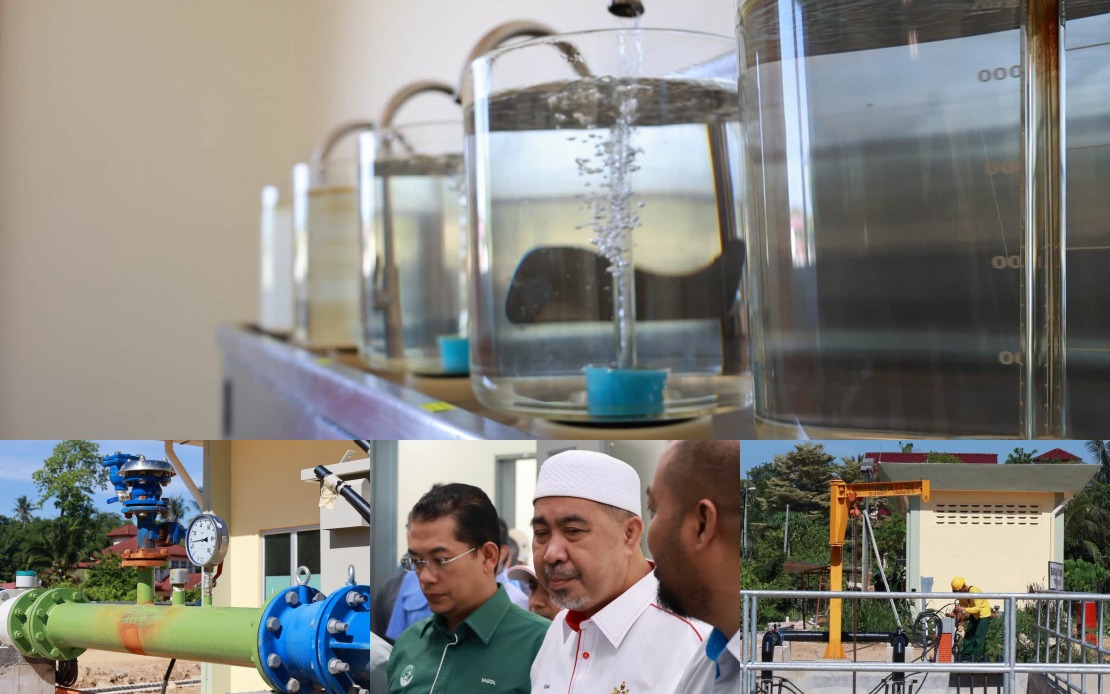
The RM54.98 million Chicha 2 Water Treatment Plant in Pasir Hor, Kota Bharu, is approaching completion and will commence operations in September, promising to transform water supply infrastructure in the northeastern state. With construction having achieved 97 percent physical progress since commencing in 2024, the facility represents a significant investment in Kelantan's water security and addresses longstanding supply challenges that have plagued the region for years.
Datuk Dr Izani Husin, chairman of Kelantan's State Public Works, Infrastructure, Water and Rural Development Committee, revealed that the plant will directly benefit more than 13,000 consumers spread across five localities: Pasir Hor, Telipot, Kota Seribong, Mulong, and Tunjong. The facility's design incorporates innovative water treatment methodology that Kelantan hopes will set a precedent for future infrastructure development across the state and potentially throughout the wider region.
The treatment plant boasts a daily production capacity of 20 million litres, sourced from groundwater accessed through a 100-metre-deep excavation process. The facility spans 1.84 hectares and employs an aeration system to ensure the treated water meets quality standards required for safe domestic and commercial consumption. This technological approach represents the first implementation of its kind in Kelantan, according to Dr Izani, suggesting that the state has adopted advanced water management techniques to overcome traditional supply difficulties.
One of the most significant anticipated outcomes involves reactivating approximately 10,000 inactive consumer accounts currently disconnected from the water network across the service area. These dormant accounts reflect the long-standing challenges residents have faced in accessing reliable water supplies, with many having given up on formal connections due to previous supply failures. The plant's commissioning will restore service to these consumers, effectively expanding the formal water network's reach and improving coverage in previously underserved communities.
The aeration water treatment method selected for Chicha 2 WTP demonstrates Kelantan's intention to adopt modern approaches to water purification rather than relying on conventional treatment methodologies. This technique involves injecting air into water to remove dissolved gases and improve overall water quality before distribution. The success of this approach at Chicha 2 positions it as a potential model for other treatment facilities within the state, potentially accelerating the modernisation of Kelantan's entire water infrastructure network.
Kelantan's persistent water supply difficulties stem from multiple interconnected infrastructure problems that have accumulated over decades. The state currently experiences non-revenue water losses exceeding 50 percent, meaning that more than half of treated water is lost before reaching consumers' taps. These losses result from ageing pipe networks that leak underground, sudden pipe ruptures, damaged water meters, and poor maintenance of distribution systems. Addressing these underlying issues requires sustained investment and systematic replacement of infrastructure that in many areas predates modern construction standards.
State authorities have adopted a phased approach to resolving Kelantan's water crisis, targeting complete resolution by 2030 through the combined implementation of major infrastructure projects and the construction of new treatment facilities. This timeline suggests that the state recognises the urgency of the situation while acknowledging that transforming water security requires long-term commitment and sustained financial investment. The Chicha 2 WTP represents one component within this broader strategy rather than a complete solution to all supply challenges.
The September commissioning date carries importance beyond merely introducing new treatment capacity. For residents in the service areas who have endured water shortages and supply interruptions, the plant's operation signals that government investment is delivering tangible improvements to daily life. Reactivating 10,000 consumer accounts will extend formal water connections to households and businesses that have previously relied on informal arrangements, boreholes, or tanks collected during irregular supply windows.
Dr Izani's appeal for public patience reflects the reality that water infrastructure transformation occurs gradually and cannot solve all problems simultaneously. Communities accustomed to supply difficulties may harbour scepticism about government promises, particularly given Kelantan's history of water security challenges. However, visible progress through new facility operations and expanded network coverage should gradually rebuild confidence in the state's water management capabilities and justify continued public support for infrastructure investment programs.
For Malaysia's broader water sector, Kelantan's experience illuminates the challenges facing states beyond the Klang Valley in maintaining water security for growing populations. The state's water supply difficulties, rooted in ageing infrastructure and high non-revenue losses, mirror problems affecting other regions relying on older distribution networks. The adoption of aeration treatment technology and the planned infrastructure modernisation strategy offer lessons applicable throughout Southeast Asia, where many countries grapple with similar water supply challenges amid urbanisation and climate variability.

