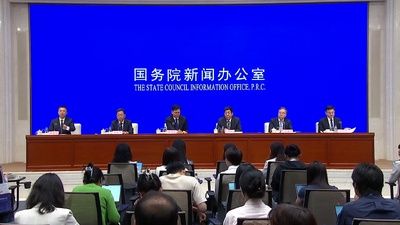
China has categorically denied claims of forced labour and involuntary worker transfers occurring in the Xinjiang Uygur autonomous region, with senior government officials rejecting what they characterise as unfounded accusations by Western organisations and international media outlets. Chen Ruifeng, Minister of the National Ethnic Affairs Commission, made the statement on Wednesday, June 24, asserting that China's constitutional framework and existing legislation already contain comprehensive prohibitions against all forms of compulsory labour.
The timing of Chen's remarks coincides with the passage of fresh legislation designed to strengthen worker protections across China's vast territories. The Law on Promoting Ethnic Unity and Progress, approved on March 12 and scheduled to take effect on July 1, incorporates enhanced safeguards for individuals seeking employment beyond their home regions. These provisions specifically address the rights of cross-regional workers and establish mechanisms for legal assistance, underscoring Beijing's position that such protections demonstrate the voluntary nature of labour mobility in Xinjiang.
According to official government accounts, workers from Xinjiang who seek opportunities outside the region do so of their own volition, driven by personal ambitions to improve living standards for their families and acquire new professional skills. Chen dismissed allegations to the contrary as "extremely absurd and ridiculous," emphasising that labour transfers operating in the region are structured around respecting the preferences and autonomy of individuals across all ethnic communities. The government maintains that its employment programmes aim exclusively to expand job opportunities and generate increased economic benefits for Xinjiang's residents.
The economic data presented by Chinese authorities paints a picture of substantial employment expansion across Xinjiang. Over the preceding five years, the region reportedly created more than 2.39 million new urban employment positions through diverse policy initiatives and development programmes. Beyond urban areas, agricultural labourers have undertaken approximately 16.1 million journeys for work assignments outside their native towns and villages, suggesting extensive labour mobility within the region's economic framework.
Income growth metrics offer another dimension to Beijing's argument regarding improved living standards. Per capita disposable income for urban residents has expanded at an average annual rate of 5.3 per cent, while rural income has grown at 8.1 per cent annually during the same five-year period. These figures, if accurate, would demonstrate material improvements in household finances across different geographic and occupational segments of Xinjiang's population.
The establishment of what officials describe as a comprehensive employment policy architecture and labour rights protection system forms the cornerstone of Beijing's defence against international criticism. By systematising fair employment procedures and establishing mechanisms to guard worker rights, Chen argued that Xinjiang has ensured that individuals with capacity to work can secure employment opportunities. This institutional approach, according to the minister, prioritises both the voluntary character of employment decisions and the dignified nature of work available to people irrespective of ethnic background.
For Malaysian and Southeast Asian observers, these developments merit careful consideration given the region's own concerns regarding labour standards and worker protections. The debate surrounding Xinjiang labour practices has generated significant diplomatic tension between Beijing and Western governments, with some nations implementing targeted sanctions and import restrictions based on forced labour allegations. China's presentation of enhanced legislation and economic statistics represents part of a broader effort to counter international pressure and reshape the narrative surrounding its employment policies in the western region.
The tension between China's characterisation of voluntary labour programmes and international allegations reflects a fundamental disagreement over how worker autonomy should be assessed and verified. Western critics have contended that structural pressures, limited economic alternatives, and state involvement in labour recruitment raise questions about the genuine voluntariness of participation. Chinese officials counter that such critiques misunderstand the region's economic realities and represent ideologically motivated attacks.
The new legislation addressing ethnic unity and worker protections signals Beijing's intention to address international concerns through legal and institutional mechanisms. By formalising rights protections and establishing dedicated legal assistance frameworks, the government appears to be responding to sustained international criticism by strengthening the visible architecture of worker safeguards. Whether these measures address the substantive concerns raised by human rights organisations and Western governments remains a point of significant international dispute.
For regional governments and businesses, the Xinjiang labour debate carries practical implications for supply chain integrity, corporate responsibility standards, and trade relationships with China. Many multinational companies have implemented strict due diligence procedures to ensure their suppliers do not utilise labour sourced from Xinjiang, reflecting investor and consumer concerns about ethical sourcing. China's efforts to demonstrate improved labour protections and voluntary participation may gradually influence these corporate policies, though scepticism among Western stakeholders remains pronounced.
The statement by China's ethnic affairs minister underscores how contested the Xinjiang labour narrative has become within international relations. Beijing continues to maintain that its employment policies benefit workers economically and respect individual agency, while critics argue that systemic pressures and state oversight fundamentally compromise worker autonomy. This impasse suggests that resolving the dispute will require either substantive changes on the ground that satisfy independent monitors, or sustained diplomatic pressure and economic sanctions from Western nations and their allies.
Moving forward, scrutiny of Xinjiang labour practices will likely remain a flashpoint in broader geopolitical tensions between China and Western democracies. For Southeast Asian nations navigating relationships with both Beijing and Western partners, the issue presents a complex balancing challenge. Maintaining economic engagement with China while respecting international labour standards and human rights concerns reflects the delicate diplomatic positioning that characterises contemporary regional relations.