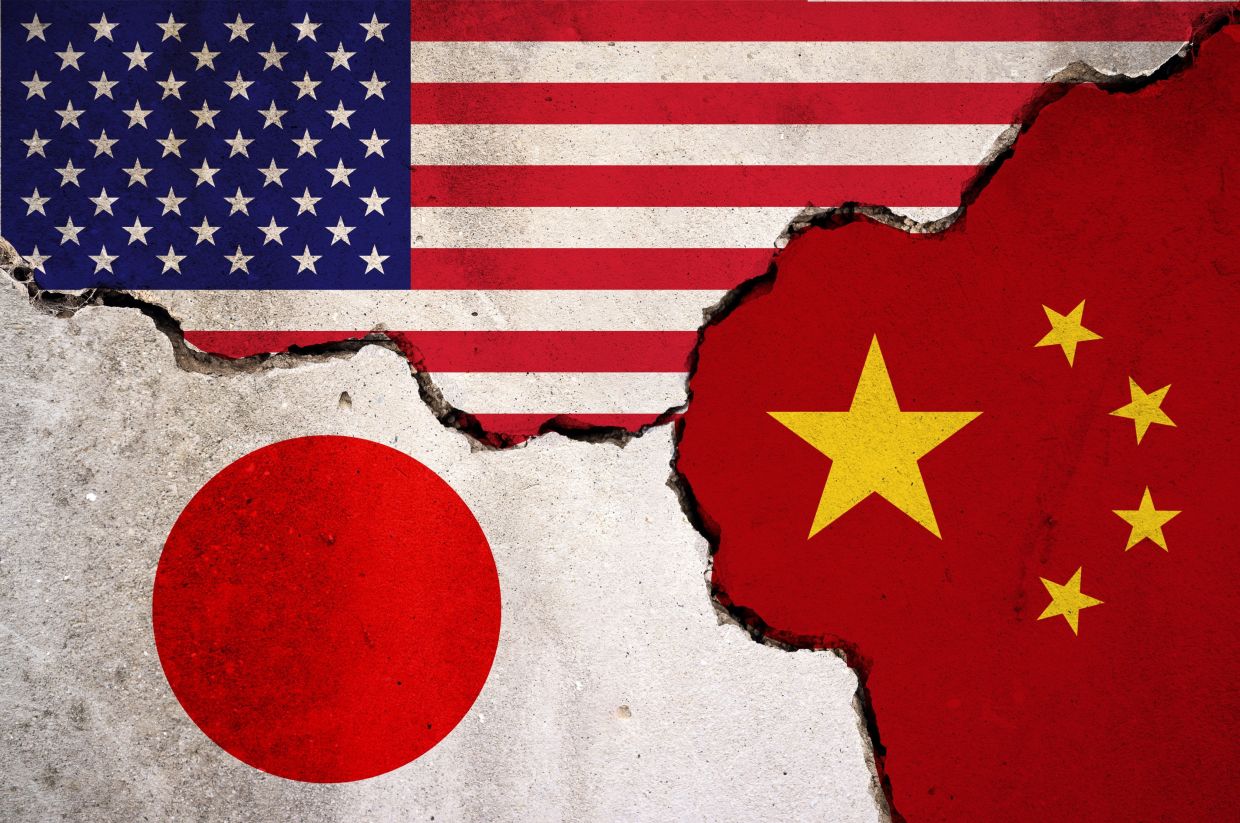
The relationship between Washington, Beijing and Tokyo faces unprecedented strain as China pursues an aggressive punishment campaign against Japan, exposing fundamental questions about America's willingness to back its most crucial Asian ally during the Trump administration's second term. Over the past seven months, Beijing has repeatedly retaliated against Tokyo with economic measures and diplomatic pressure, leaving Japanese officials increasingly concerned that Washington lacks the urgency to defend their interests or challenge China's coercive tactics.
The crisis erupted in November when Japanese Prime Minister Sanae Takaichi declared that a Chinese military attack on Taiwan could constitute a direct threat to Japan's survival, given the country's geographic proximity and strategic interests. Speaking to lawmakers, the hardline politician articulated what many in Tokyo had long believed privately but rarely stated publicly: that Taiwan's security is inseparable from Japan's own. Beijing responded with characteristic fury, treating Takaichi's words as a violation of its core position on Taiwan, and has since imposed retaliatory measures including restrictions on rare earths exports that began in January alongside other punitive actions.
What has proven more troubling for Tokyo than China's response is Washington's muted reaction. Japanese officials, both on the record and in private conversations, have expressed frustration that the Trump administration has treated the matter with insufficient priority. Sources familiar with Japanese government thinking describe a pattern in which Tokyo has escalated its appeals to the White House, moving from single requests to frequent discussions at cabinet and legislative levels, only to find that discussions about China's economic pressure on Japan are relegated to secondary importance in White House deliberations.
The disconnect reflects deeper complications in how the Trump administration views alliance relationships and regional security. One unnamed source characterised the White House approach as dismissive, suggesting officials would hear Japan's concerns and then move on to other matters. This treatment has created what analysts describe as simmering dissatisfaction within Tokyo's government, with particular frustration that President Trump offers public reassurances to Japanese leaders before pursuing lenient approaches with Chinese President Xi Jinping.
Multiple factors appear to be driving Trump's reluctant engagement with Japan's concerns. The administration's deep involvement in the Middle East, particularly the escalating Iran conflict that Trump initiated with Israeli Prime Minister Benjamin Netanyahu, has consumed significant diplomatic and military resources. This regional preoccupation has pushed East Asian security concerns down the policy agenda, with the US shifting military assets and anti-missile systems away from the Pacific region to support operations in the Persian Gulf.
However, analysts note that this explanation proves insufficient, since Takaichi's controversial statements preceded the February start of the Middle East war. More fundamentally, Trump's transactional worldview appears to shape his approach. With declining domestic popularity and mounting economic pressures before midterm elections, the president may view his lack of support for Japan as a strategic concession that could strengthen his negotiating position with China on trade issues or in preparing for a potential Washington summit with Xi Jinping.
Trump has long harbored suspicions about whether allies adequately contribute to their own defence, viewing international relationships primarily through a cost-benefit lens rather than accepting the mutual benefits of collective security frameworks. This ideological orientation clashes sharply with Japan's extensive efforts to meet Washington's demands for increased defence spending and investment in military capabilities to counter Chinese expansion. Tokyo has answered every US request to strengthen its defence posture, yet received minimal recognition or reciprocal commitment from the Trump White House.
The alliance friction has been compounded by Trump's open disappointment that Japan, NATO members, and other allies have declined to send military assets to assist the United States in the Persian Gulf. During a March White House meeting with Takaichi, when asked why he failed to consult allies before committing to Middle Eastern operations, Trump responded defensively, insisting that contribution was optional and that America required no assistance. This dismissive stance contradicts decades of US alliance strategy emphasizing shared responsibility and mutual defence commitments.
Analysts also identify a more troubling personal dimension to Trump's distracted approach to Asia policy. In his second term, the president has become increasingly focused on matters directly affecting his personal interests, including property dealings and cryptocurrency investments, while simultaneously pursuing old grudges and personal disputes. This inward focus has diverted attention from geopolitical strategy and party interests, leaving regional security concerns as a lower priority than personal enrichment and score-settling. One former National Security Council official suggested that Trump views regional security matters primarily as negotiating cards to play with China rather than as fundamental alliance commitments.
For Japan and Southeast Asia more broadly, this dynamic presents troubling implications. The Japanese government faces an uncomfortable bind: requesting explicit US security guarantees might appear as weakness internationally and could invite further Chinese coercion, yet remaining silent allows Washington to misread the depth of Tokyo's security concerns. Japanese officials have grown reluctant to publicly criticise Chinese pressure, fearing such complaints might provoke additional retaliation, leaving them to negotiate quietly with an administration that treats their concerns as negotiable footnotes rather than vital interests.
The situation reflects a broader shift in how the Trump administration conceptualizes American interests in Asia. Rather than viewing the US-Japan alliance as a cornerstone of regional stability, Trump appears to treat Japan as one player among many, valuable primarily for its willingness to meet Washington's financial demands while offering nothing in return beyond courtesy. This represents a fundamental departure from the postwar security architecture that has underpinned peace and prosperity across East Asia.
Moving forward, analysts warn that continued American inattention to China's coercion of Japan risks unraveling the regional balance that has persisted since 1945. Tokyo cannot indefinitely absorb Chinese pressure without meaningful US backing, and Japanese officials increasingly question whether Washington remains committed to defending their country's interests. As China tests the durability of the US-Japan alliance through economic punishment and military posturing, Trump's distracted leadership offers Beijing an opportunity to exploit fissures in Washington's alliance structure across the entire Pacific region.

