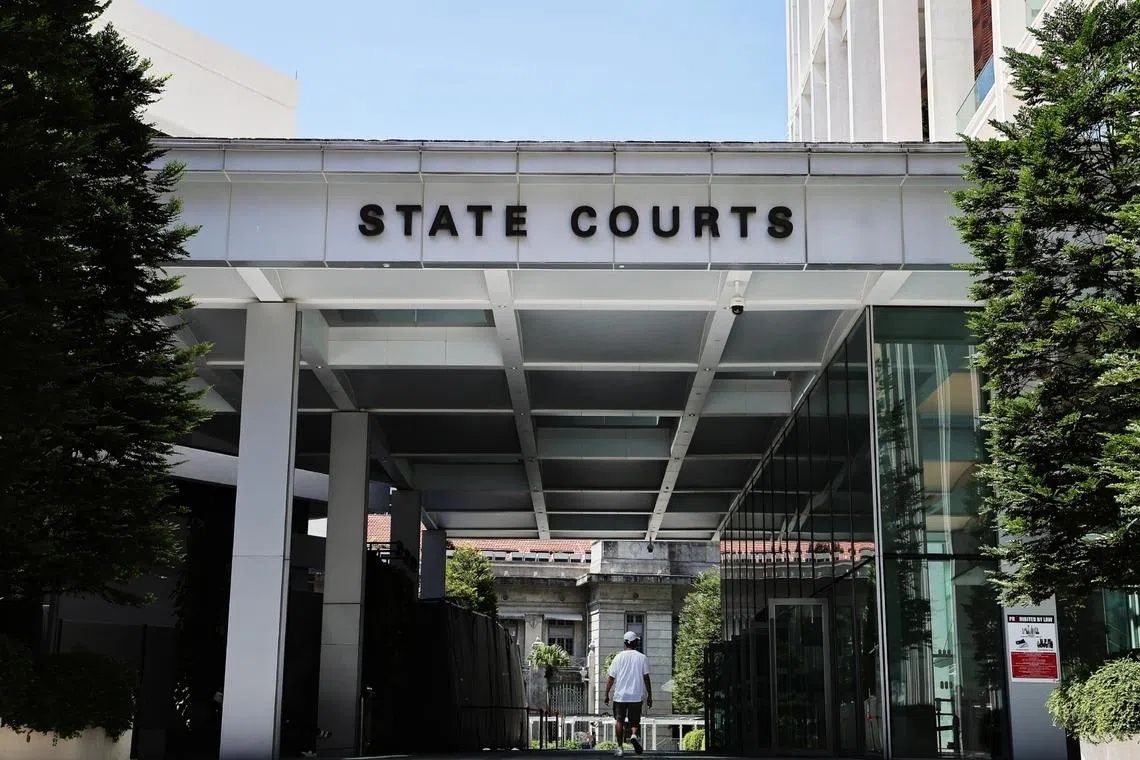
A 41-year-old Chinese national has pleaded guilty to burglarizing two upscale Singapore residences within days of his inaugural arrival in the Republic, netting stolen valuables totaling S$105,000. Huang Xiaozong's calculated criminal spree—executed with methodical reconnaissance and targeting of apparently unoccupied properties—reveals how international perpetrators conduct preliminary criminal surveys before striking at vulnerable homes in wealthy enclaves. The case underscores persistent security challenges facing affluent residential districts, even as Singapore maintains a reputation for low crime rates among developed nations.
Huang arrived in Singapore on December 5, 2025, and immediately lodged at a hotel in Little India. Rather than acclimatizing as a typical tourist, he conducted deliberate research into Singapore's wealthier neighborhoods, identifying Sentosa and Serangoon Gardens as prime targets for theft. His methodical approach—scouting locations, assessing occupancy, and timing entries—suggests either prior burglary experience or coordination with criminal networks specializing in residential theft. This calculated methodology raises concerns about organized tourism-related crime, wherein criminals use visitor status to penetrate residential security and disappear across borders with valuable goods.
On December 6, the day following his check-in, Huang ventured to Sentosa's luxury hotel district. He identified a suite whose occupant, a wealthy individual, maintained it as an occasional residence and happened to be traveling abroad at the time. Observing the unit's emptiness, Huang circumvented security by accessing the rear balcony and forcing open the sliding door—a method indicating familiarity with residential entry techniques. Within the suite, he systematically extracted high-value items: a Chanel timepiece appraised at S$30,000, five rings valued at S$25,000, and a gold necklace worth S$3,000. He returned to his Little India hotel with the spoils, demonstrating awareness that hotels provide anonymous shelter for stolen goods pending their transportation out of Singapore.
The Sentosa theft remained undiscovered for two days. When a housekeeper eventually entered the suite on December 8, she observed the burglar's footprints and noticed missing valuables, triggering the police investigation. This temporal lag between crime and discovery is common in residential burglaries targeting occasional occupants or properties with irregular housekeeping schedules—a vulnerability that sophisticated criminals exploit. The delay provided Huang additional opportunity to strike before law enforcement identified a pattern.
The following evening, December 7, Huang relocated his criminal operations to Serangoon Gardens, one of Singapore's most prestigious residential neighborhoods. Arriving between 7 and 8 PM, he surveyed a darkened house with no visible occupancy indicators and proceeded to climb the perimeter gate. Inside, he methodically collected jewelry worth over S$47,000—including rings, gold necklaces, a diamond necklace, diamond earrings, and wedding rings. His selection strategy targeted portable, easily liquidated items without concern for sentimental value, indicating intention to fence goods through networks trafficked precious metals and gemstones.
Huang's bold approach continued immediately afterward. Spotting a neighboring residence with similar vacancy indicators, he scaled that property's gate as well. However, his luck deteriorated when a domestic helper emerged and questioned his presence. Rather than confronting or restraining the intruder, the helper's intervention prompted his retreat. Huang fled back to his hotel, recognizing that sustained criminal activity in a single neighborhood increased apprehension risk. The homeowner's return that evening and subsequent police report finally mobilized law enforcement response, but Huang had already consolidated his stolen goods at his hotel base.
Police traced Huang to his Little India accommodation on December 8, 2025—just three days after his initial arrival—and arrested him with the stolen merchandise still in his possession. The speed of law enforcement's investigation reflected both the scale of losses and contemporary surveillance capabilities targeting hotel guests in high-crime periods. Immigration and hotel registration records, combined with eyewitness descriptions and stolen goods documentation, enabled rapid apprehension.
Huang's case illustrates vulnerabilities in Singapore's residential security architecture, particularly affecting properties with absentee owners or irregular occupancy patterns. Serangoon Gardens and Sentosa's combination of wealth concentration and lower resident density creates opportunities for methodical burglars to identify targets and execute crimes before detection. The incident also demonstrates risks associated with international travelers conducting preliminary criminal reconnaissance, using tourist status as cover for intelligence gathering.
From a Southeast Asian perspective, Huang's operation exemplifies transnational crime patterns wherein overseas perpetrators conduct targeted strikes in neighboring affluent cities, exploiting temporary visitor privileges. Malaysia, Thailand, and the Philippines increasingly encounter similar cases—foreign nationals entering with legitimate tourism credentials but executing organized theft targeting jewelry, watches, and portable valuables for trafficking through informal networks. Regional law enforcement agencies have begun sharing intelligence on burglary patterns, recognizing that single-nation approaches prove insufficient against mobile international criminals.
Huang pleaded guilty to two counts of housebreaking on Friday, July 10, with sentencing scheduled for August 14. His rapid guilty plea suggests either acceptance of culpability or strategic legal maneuvering to potentially secure more lenient sentencing than trial conviction would warrant. Singapore's sentencing guidelines for residential burglary typically reflect the offense's serious nature and substantial property losses, often resulting in custodial sentences exceeding two years. However, Huang's cooperation with authorities and absence of violence during the crimes may influence the court's ultimate determination.
The consolidated S$105,000 theft value positions this case among Singapore's more significant residential burglaries in recent years. Recovery prospects remain uncertain, as Huang may have already transferred goods to criminal associates or fencing operations. Insurance claims by the two victims will likely proceed independently, though law enforcement's recovery efforts and potential asset seizure following conviction might partially restore losses. The case has prompted renewed security awareness campaigns in Sentosa and Serangoon Gardens, emphasizing burglar-proofing, surveillance systems, and neighbor communication protocols for identifying suspicious individuals.

