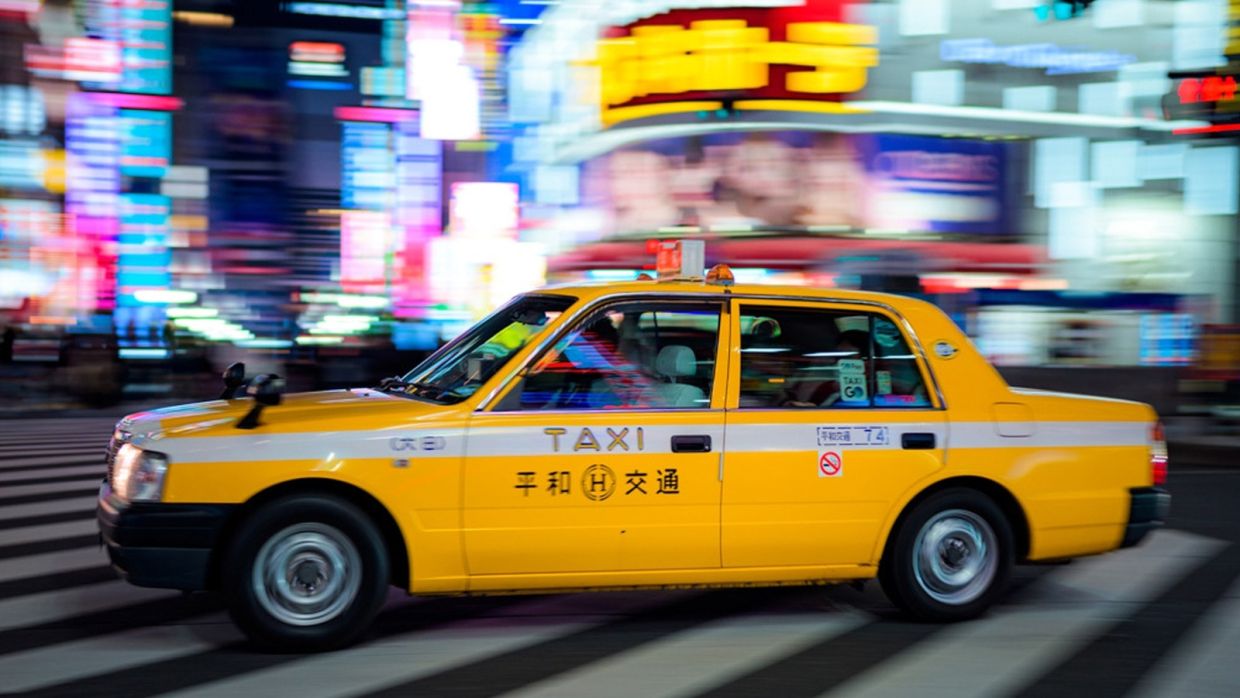
A 41-year-old Chinese national has been arrested in Tokyo on suspicion of orchestrating an unlicensed taxi operation that exploited regulatory gaps in Japan's vehicle licensing framework to transport tourists. Wang Xiaoyu allegedly breached the Road Transportation Act by leasing vehicles registered under the name of Phoenix Kokusai, a chauffeur service company he effectively controlled, to individuals unaffiliated with the firm who then operated them as clandestine taxis. The scheme reportedly targeted Chinese tourists and other visitors seeking rides between stations and accommodation, operating across several months with apparent impunity until authorities intervened.
The investigation centred on activities spanning from February through April of this year, though Tokyo Metropolitan Police Department investigators believe Wang profited substantially from the enterprise over a longer timeframe. According to police assessments, Wang extracted approximately 38 million yen—equivalent to roughly $233,000—in licensing fees from eighteen different drivers between November 2024 and May 2026, compensation ostensibly paid for using the company's name and vehicle registration credentials. This financial arrangement formed the core of what police characterised as a systematic operation designed to circumvent Japan's transportation regulations while maintaining a veneer of legitimacy.
The breakthrough in the case emerged after legitimate taxi operators filed formal complaints with authorities, alleging that vehicles displaying special commercial registration plates were actively soliciting passengers at Haneda Airport, one of Tokyo's two main international gateways and a natural hub for inbound tourist traffic. These reports triggered a police investigation that ultimately unravelled the operation's network. In addition to Wang's arrest on Sunday, investigators detained three drivers—all Chinese nationals themselves—on identical Road Transportation Act violations. Wang has partially contested the allegations against him, though details of his specific denials remain undisclosed.
Central to understanding this case is Japan's urban hire vehicle system, a transportation category formally introduced in 2014 as part of the country's regulatory framework. This classification permits commercial vehicle operation under specific conditions: passengers must reserve services in advance, and charter contracts must stipulate a minimum duration of two hours. The category was designed to accommodate growing demand for flexible transportation services while ostensibly maintaining oversight. However, the proliferation of such vehicles has created enforcement challenges that this incident starkly illuminates.
Japan's vehicle licensing system employs colour-coded registration plates as a means of distinguishing vehicle categories, with authorised commercial vehicles assigned distinctive green licence plates in contrast to the white plates used for standard private vehicles. While ostensibly a transparent identification mechanism, these plates have become a persistent regulatory vulnerability. Police authorities have publicly acknowledged that the green plate system is inherently susceptible to abuse, as the visual distinction alone provides insufficient evidentiary basis for determining whether any given vehicle is operating lawfully or illegally. Determining actual compliance requires detailed investigation into operational patterns, contractual arrangements, and passenger booking procedures—intensive scrutiny rarely feasible during routine road monitoring.
The explosion in urban hire vehicle registrations reveals the scale of this emerging challenge. Official data from Japan's Ministry of Land, Infrastructure, Transport and Tourism documents remarkable growth in this vehicle category: the number of registered urban hire vehicles expanded from just 3,868 units in fiscal 2013 to 8,850 vehicles by fiscal 2024. This more than doubling of the fleet has occurred against a backdrop of surging international tourist arrivals in Japan, particularly following the post-pandemic recovery and the yen's sustained weakness, which has made Japan exceptionally affordable for foreign visitors. The regulatory framework has struggled to keep pace with this expansion, creating precisely the conditions that sophisticated operators like Wang exploited.
The targeting of Chinese tourists, while possibly reflecting market opportunity, also highlights the transnational dimension of this regulatory failure. As Southeast Asian readers assess this development, the incident underscores how tourism booms can inadvertently create black markets in transportation services, particularly in jurisdictions where enforcement mechanisms lag behind the proliferation of nominally licensed vehicles. The scheme's apparent sustainability for months—benefiting from inadequate airport monitoring and the difficulty of distinguishing lawful from unlawful operations visually—suggests systemic vulnerabilities rather than isolated criminal opportunism.
The Wang case illuminates broader challenges facing Japan's transportation authorities as visitor volumes continue expanding. The urban hire category was conceived as an innovation enabling flexible service provision, yet its implementation has generated substantial regulatory blind spots. Drivers operating illegally can franchise themselves into established company structures, obtaining legitimacy through association while the actual company operator profits from the arrangement without direct involvement in individual rides. This operational model proves difficult to police without intensive investigation targeting specific companies and their contractual relationships with drivers.
For Malaysia and other Southeast Asian nations witnessing comparable tourism surges, this incident offers instructive lessons in regulatory design and enforcement. As countries expand transportation options to accommodate visitor demand, the framework governing vehicle licensing and operational oversight must incorporate mechanisms capable of distinguishing lawful innovation from sophisticated regulatory evasion. The green plate system's vulnerability suggests that visual identification alone—whether through licence plate colours or other surface-level markers—provides insufficient protection against determined violators. Effective enforcement requires integrative systems that link registration records to actual operational patterns and booking procedures.
The broader implications extend to the treatment of foreign nationals in Japan's criminal justice system and regional attitudes toward regulatory enforcement across tourism-dependent economies. Wang's partial denial of charges suggests his legal proceedings will likely extend through Japan's formal prosecution process, potentially establishing precedent regarding liability for operators who maintain financial relationships with drivers while asserting distance from actual operational decisions. The three arrested drivers, as individuals directly conducting unlicensed taxi operations, face more straightforward charges, yet their detention also raises questions about enforcement selectivity and whether operators or field workers face greater scrutiny in regulatory actions.
Moving forward, Japan's transportation authorities face mounting pressure to enhance monitoring capabilities at major transit hubs like Haneda, where the concentration of tourist traffic creates both enforcement opportunities and the temptation for operators to exploit regulatory gaps. Implementation of more sophisticated verification systems—potentially incorporating real-time booking verification or enhanced driver credential checks—may become necessary. The case also suggests a need for regulatory frameworks that more explicitly address the vulnerability created by the franchising of company names to nominally independent operators, a structural issue that transcends Japan's transportation sector and carries relevance for service industries throughout the region.

