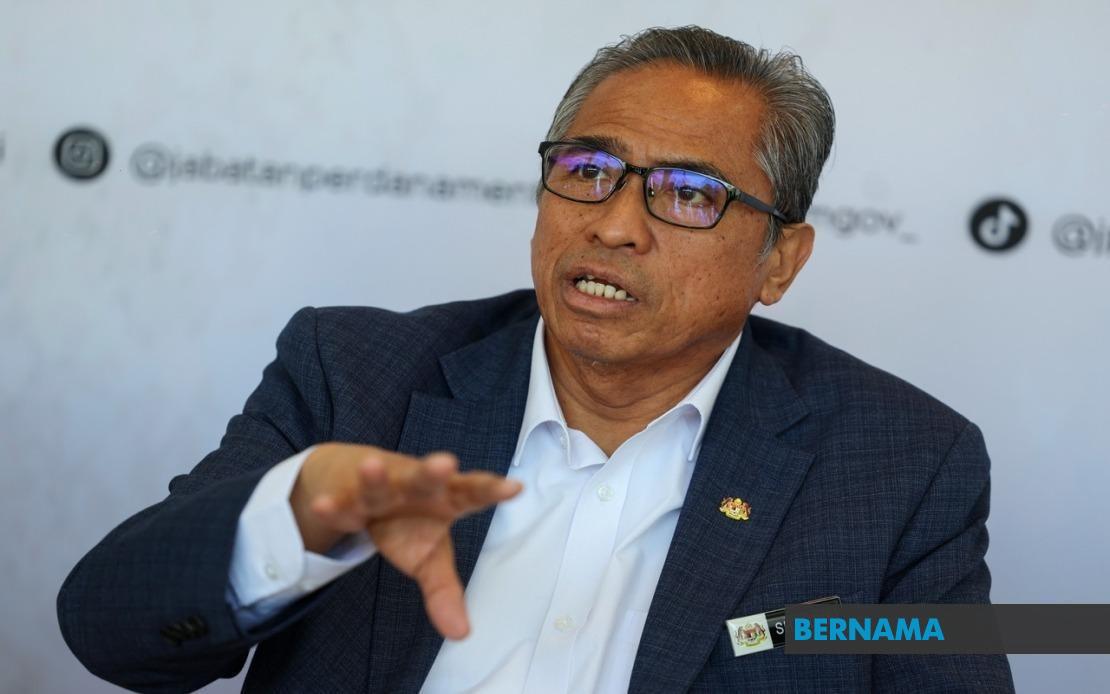
Tan Sri Shamsul Azri Abu Bakar, the Chief Secretary to the Government, has urged the entire civil service apparatus to actively champion the country's leadership in pursuing strategic diplomatic initiatives that can elevate Malaysia's standing in the global arena. Speaking on June 24, Shamsul Azri underscored that the public sector must function as a unified instrument in supporting the government's efforts to position the nation advantageously within an increasingly complex international geopolitical and economic ecosystem.
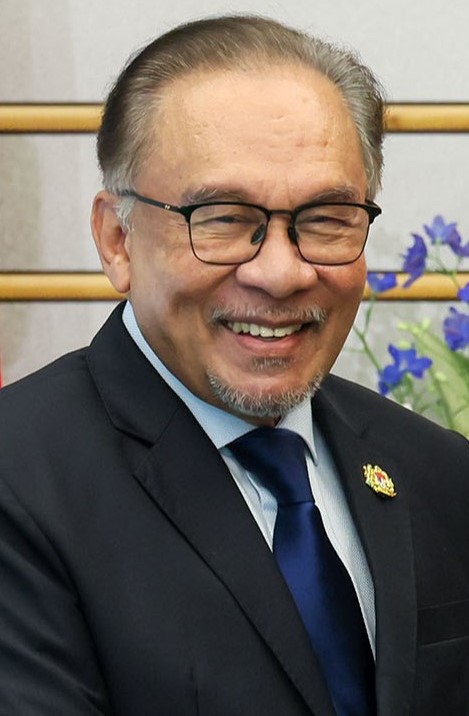
The Chief Secretary specifically highlighted the significance of Prime Minister Datuk Seri Anwar Ibrahim's recent diplomatic missions to Russia and Turkemenistan, characterizing these visits as instrumental in establishing Malaysia as a player capable of engaging with diverse trading blocs and emerging markets. According to Shamsul Azri, these working visits have strategically positioned the country to explore untapped commercial opportunities whilst reinforcing existing bilateral and multilateral trade relationships. The implication is clear: Malaysia is actively diversifying its economic partnerships beyond traditional Western allies, a development with profound consequences for regional trade dynamics and the country's long-term economic resilience.
What distinguishes Shamsul Azri's pronouncement is his assertion that the civil service views these diplomatic achievements as merely the foundation upon which practical implementation must occur. The conversion of high-level diplomatic agreements into tangible economic outcomes depends fundamentally on the efficiency, preparedness, and strategic acumen of government officials working within economic and trade-focused ministries. This framing shifts responsibility away from diplomatic corridors and onto the shoulders of the bureaucracy tasked with execution, establishing clear accountability standards for translating geopolitical gains into domestic prosperity.
The Chief Secretary has outlined a demanding agenda for public sector personnel, particularly senior officials and departmental heads. These officials must cultivate what Shamsul Azri terms a "global mindset," demonstrating not merely competence in conventional governance but rather the capacity to operate as strategic partners capable of engaging sophisticated international business environments. This requirement represents a significant elevation of expectations from Malaysia's civil service, moving beyond traditional administrative functions toward more dynamic, forward-thinking governance orientations that anticipate and accommodate shifts in the international economic order.
Central to this realignment is the adoption of MADANI Diplomacy principles and a "Whole-of-Government" approach integrated throughout daily administrative operations. MADANI Diplomacy, Malaysia's articulated diplomatic framework, emphasizes development and mutual prosperity rather than zero-sum competition. Shamsul Azri's insistence that public servants embody these values in their governance reflects recognition that international diplomatic success requires coherence across government institutions, preventing the fragmentation that occurs when different agencies pursue contradictory objectives.
Immediate priority must be directed toward accelerating the Ease of Doing Business initiatives, which have assumed heightened importance given Malaysia's ambitious investment facilitation targets. The Chief Secretary emphasizes that every international agreement secured through diplomatic channels must be rapidly operationalized, with government agencies functioning as effective facilitators rather than bureaucratic obstacles. This acceleration imperative carries implications for regulatory reform, streamlined approval processes, and institutional innovation within Malaysia's administrative machinery.
Shamsul Azri's emphasis on capability-building and strategic cooperation networks beyond conventional boundaries suggests recognition that Malaysia must compete not only on traditional comparative advantages but increasingly on its capacity to navigate and leverage emerging global economic structures. The reference to understanding "shifts in the new world economic order" acknowledges geopolitical fragmentation, multipolar competition, and the rise of alternative trading arrangements that are restructuring international commerce. For Malaysia, a small open economy heavily dependent on trade, this adaptability represents existential necessity.
The Public Service Reform Agenda (ARPA) serves as the institutional vehicle through which these aspirations will be operationalized, with its "internationalisation" enabler specifically designed to cultivate high-capacity governance suited to managing international partnerships and investment flows. This systematic approach to bureaucratic transformation distinguishes strategic intent from idle exhortation, indicating structural commitment to reshaping how Malaysia's civil service conceptualizes and executes its role in national development.
The ultimate objective, as articulated by Shamsul Azri, extends beyond abstract diplomatic success toward the creation of high-quality employment opportunities for Malaysians, ensuring commodity supply security, and maintaining Malaysia's competitive advantage as a destination for foreign capital. These domestic outcomes represent the genuine measure of diplomatic achievement; international agreements hold value only insofar as they generate tangible improvements in living standards, economic opportunity, and national resilience. This framework subordinates diplomatic prestige to economic pragmatism, holding government officials accountable for delivering material improvements rather than mere symbolic victories.
For Malaysian business observers and policymakers, this call to arms from the Chief Secretary signals serious governmental commitment to translating diplomatic initiatives into economic momentum. The civil service's responsiveness to this mandate over coming months will substantially determine whether Malaysia successfully capitalizes on its renewed diplomatic engagements or whether these opportunities dissipate through implementation failure. The stakes extend beyond corporate profits to encompass Malaysia's broader economic trajectory during a period of significant global restructuring.