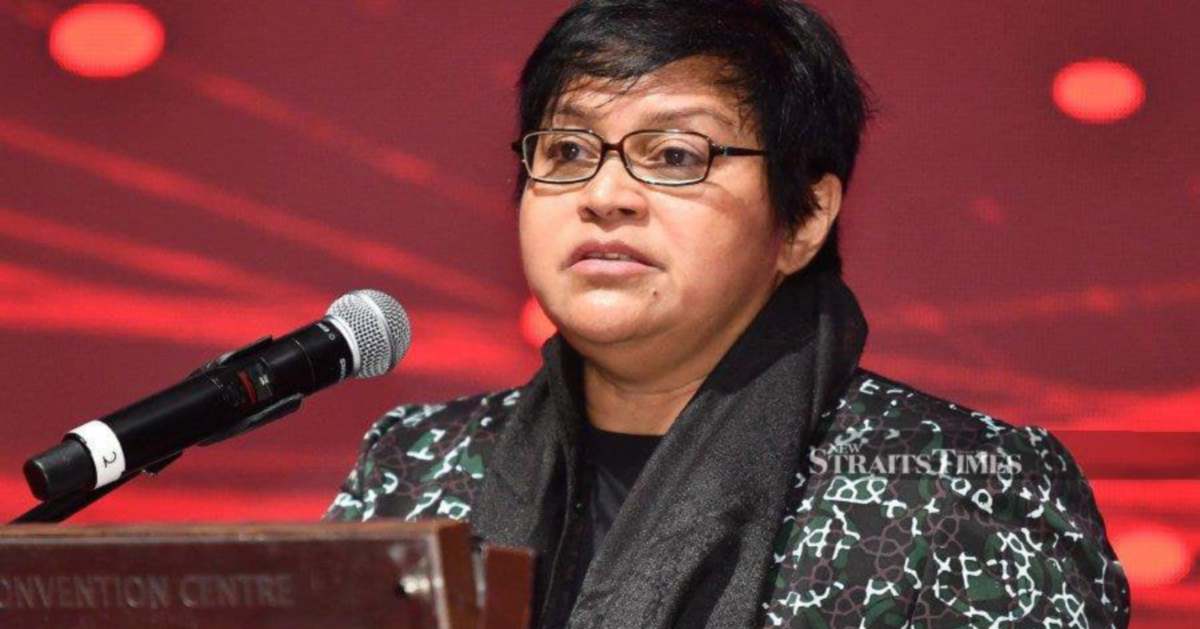
Datuk Seri Azalina Othman Said, the information chief for Umno, has cautioned against premature discussions surrounding coalition or unity government formations in Johor, insisting that such conversations should only commence once the election results have been formally announced. Speaking from Putrajaya, Azalina emphasized the importance of allowing the electoral process to unfold without speculation about potential political arrangements that might follow the polls.
Her statement reflects growing concerns within Malaysia's political establishment about the timing and nature of coalition talks that often precede or follow state elections. The cautionary remarks suggest that various political actors may have already begun exploring potential alliances ahead of the anticipated Johor state election, prompting senior Umno figures to urge restraint. This preemptive call for discipline indicates tensions within the broader coalition environment, where parties sometimes jockey for advantageous positions before the electorate has even cast their votes.
The Johor state election holds particular significance within Malaysia's political landscape, given the state's historical importance as a stronghold for Umno and its allies. Any shift in political dynamics in Johor carries implications not only for state-level governance but also for the broader national political balance. Azalina's intervention suggests that Umno wants to project an image of respecting democratic processes, even as internal discussions about post-election alignments may already be underway within party circles.
For Malaysian voters and observers, statements such as these highlight the complex relationship between electoral competition and coalition-building that characterizes the country's multi-party democracy. While politicians often speak of respecting electoral outcomes, the reality frequently involves extensive behind-the-scenes negotiations that blur the line between campaign period and post-election political realignment. Azalina's positioning places Umno on the side of propriety while acknowledging the inevitable reality that coalition discussions will occur.
The timing of such statements also reflects awareness among senior party figures that premature coalition talk can alienate voters who may perceive such discussions as attempts to circumvent or override their electoral choices. By advocating for restraint until results are announced, Azalina effectively addresses public sentiment while tacitly accepting that coalition negotiations are a normal part of Malaysian politics. This rhetorical balancing act demonstrates how senior politicians navigate between acknowledging democratic principles and preparing for the practical necessities of government formation.
In the Malaysian context, where coalition governments have become the norm rather than the exception at both state and federal levels, the space between election day and government formation has become increasingly compressed. Political parties typically understand which potential partners are viable before campaigns even begin, yet public acknowledgment of such calculations is generally avoided. Azalina's statement therefore serves as a reminder that certain conversations should remain private until the electoral verdict is delivered.
The information chief's remarks also carry implications for rival coalitions and independent-minded politicians who might be considering their options ahead of the Johor election. By calling for discipline and urging all parties to respect the electoral process, Azalina indirectly cautions against opportunistic defections or last-minute realignments that might occur in response to election results. This suggests Umno's confidence in its electoral prospects while simultaneously preparing for the complex negotiations that would follow.
For Southeast Asian observers and Malaysia watchers internationally, such statements underscore how established democracies in the region manage the tension between electoral legitimacy and coalition governance. The emphasis on waiting for results before discussing formal arrangements represents a middle ground between maintaining democratic integrity and acknowledging the practical realities of forming governments in systems where no single party typically commands an outright majority.
The broader significance of Azalina's intervention extends to questions about political transparency and voter agency. While voters expect their choices to determine which party leads, they also understand that coalition negotiations may result in outcomes that diverge from campaign narratives. By framing coalition discussions as something that rightfully occurs after elections rather than before, Azalina reinforces the principle that electoral results should precede political deals, even if such deals will inevitably follow once results are known.
Looking forward, the Johor election will serve as a test case for how Malaysian political parties manage the balance between campaign propriety and post-election pragmatism. Whether all parties adhere to Azalina's call for restraint or whether speculative coalition discussions accelerate as election day approaches will reveal much about the current state of political discipline within Umno and its rivals. The outcome will also influence how future state and federal elections unfold regarding public discourse around coalition formation.

