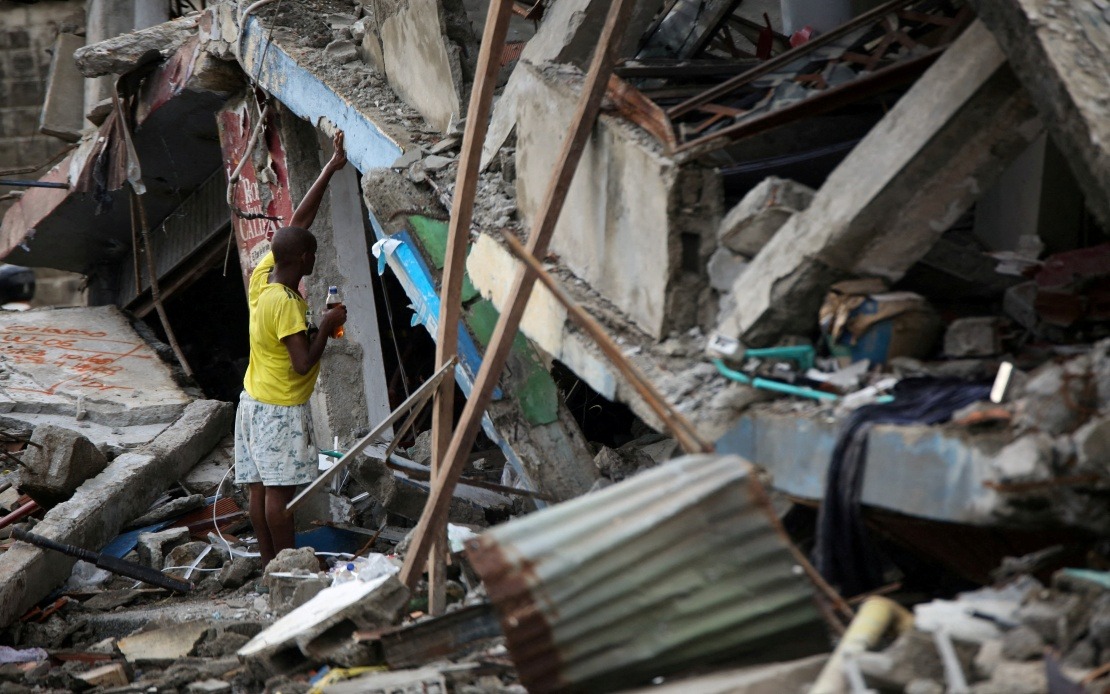
Colombia faces an extraordinary convergence of natural disasters that is overwhelming the nation's emergency response infrastructure. As rescue and reconstruction efforts continue following a devastating 7.4 magnitude earthquake that struck on August 10, the country is now contending with a wildfire emergency of alarming proportions. The seismic event left 288 people dead, injured 4,018 others, destroyed 12,504 homes, and damaged more than 80,000 additional structures. Now, with emergency crews already stretched to their limits managing earthquake recovery, authorities must simultaneously tackle dozens of active conflagrations spreading rapidly across multiple regions.
The scale of the wildfire outbreak is staggering. According to the Institute of Hydrology, Meteorology and Environmental Studies (IDEAM), 344 municipalities have been placed under red alert for wildfire threats, representing a 93 per cent increase in a single day. The rapid escalation reflects the perfect conditions for fire spread: extreme heat, drought conditions, and vegetation depleted by prolonged dry weather. The National Unit for Disaster Risk Management has identified the departments of Tolima, Cesar, Norte de Santander, Antioquia, Narino, and Santander as primary hotspots where the fires are most concentrated and threatening.
The environmental toll has already become substantial. Across multiple municipalities, more than 11,000 hectares of land have been ravaged, including destroyed vegetation, agricultural crops, and residential structures. This represents not only an immediate loss of homes and livelihoods but also significant ecological damage that will take years to remediate. For a nation still reeling from earthquake damage, the loss of additional agricultural land and forest resources compounds the economic crisis facing affected communities.
Climate models suggest this crisis may worsen considerably in the coming months. IDEAM projections indicate a 90 per cent probability that the El Niño phenomenon will persist through early 2027, with the most intense heat anomalies expected to peak toward year's end. This meteorological outlook raises the possibility that Colombia could face sustained wildfire threats well into 2026, creating a prolonged emergency scenario for which the country may struggle to maintain adequate resources and personnel.
Emergency response capabilities are severely stretched across multiple fronts. Authorities have mobilized firefighters, military units, emergency personnel, and aerial support assets to combat the spreading blazes. However, officials acknowledge critical shortages in staffing levels. Firefighting crews from various departments, including Risaralda—itself damaged by the earthquake—have been reassigned to assist with wildfire suppression. This reallocation of resources reflects the desperation of managing multiple simultaneous emergencies with finite personnel and equipment.
The geographic distribution of threats compounds the coordination challenges. Beyond the earthquake and wildfire crises, national risk management agencies are simultaneously monitoring heightened volcanic activity at Purace volcano in the southern department of Cauca. This means Colombia's emergency management apparatus must maintain vigilance across three distinct natural hazard categories—seismic, meteorological, and volcanic—with no clear end date for any of these threats. The possibility of volcanic activity adding a third major disaster layer underscores the precarious situation facing emergency coordinators.
For Southeast Asian observers, this scenario offers sobering lessons about disaster preparedness and cascading crises. The Colombian experience demonstrates how natural disasters do not conveniently occur in isolation; climate conditions that create optimal environments for wildfires may coincide with seismic activity and volcanic unrest. Countries throughout the region facing similar risks—from the Philippines' earthquake and typhoon exposure to Indonesia's volcanic and flood vulnerabilities—must consider how their emergency management systems would function under such compounded stress.
The timing of the wildfire outbreak so soon after a major earthquake highlights the vulnerability of disaster-affected regions. Communities that have just experienced structural damage, lost shelter, and face substantial reconstruction needs are now exposed to additional threats. Evacuation procedures, temporary shelter arrangements, and emergency supply chains become vastly more complicated when multiple hazards are active simultaneously. Displaced earthquake survivors may find themselves forced to evacuate again due to approaching wildfires, creating cascading humanitarian challenges.
Resource mobilization across provinces has become critical. The National Unit for Disaster Risk Management's coordination of firefighting resources drawn from multiple departments demonstrates how severe localized crises can necessitate national mobilization. However, the acknowledgement of staffing shortages suggests that Colombia may lack sufficient trained personnel to simultaneously manage earthquake recovery and wildfire suppression at optimal levels. This capacity deficit highlights how resource limitations can prevent disaster response systems from functioning at full effectiveness even when mobilized.
Longer-term implications extend beyond immediate emergency response. The projected persistence of El Niño conditions through early 2027 means Colombia must prepare for sustained drought and fire risk throughout this period. Reconstruction efforts from the earthquake may need to incorporate climate-resilient building standards and land-use practices that account for elevated wildfire threat. Additionally, agricultural planning must adjust to the reality of potentially reduced crop yields due to both earthquake damage and fire-related land degradation.
For the affected Colombian population, this convergence of disasters represents a profound test of resilience and national capacity. Families who survived the earthquake, lost their homes, and are navigating the reconstruction process now face potential evacuation and additional property loss from wildfire. The psychological toll of managing multiple simultaneous crises compounds the physical challenges of rebuilding lives and communities.
The international community's monitoring of Colombia's response offers relevant data for other disaster-prone nations. How Colombia's emergency management systems adapt, coordinate across multiple hazard types, and sustain response operations during prolonged dual crises will inform global understanding of disaster preparedness limitations. The lessons from this period—both successes and shortcomings—will likely shape how other nations approach the design of their emergency response infrastructure and inter-agency coordination protocols.

