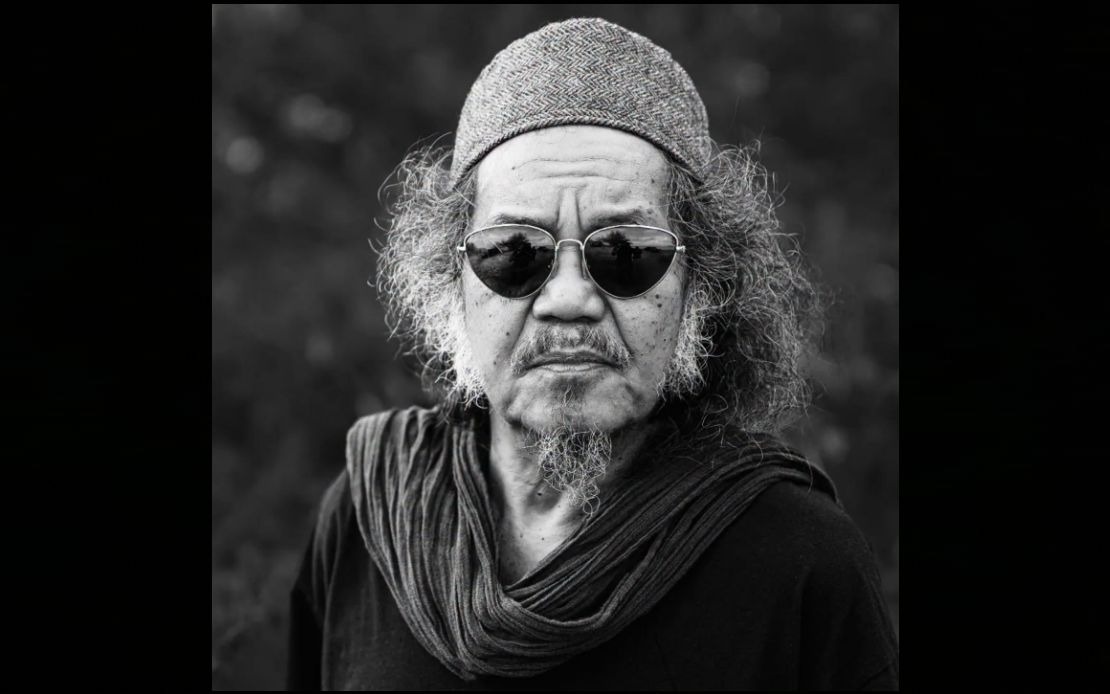
Communications Minister Datuk Seri Fahmi Fadzil has expressed his condolences following the passing of veteran actor Kamarool Yusoff, widely recognised by his stage name Cik Man. The celebrated performer died on the evening of August 5, marking the end of a significant chapter in Malaysian cinema history that spans several decades of contributions to the nation's entertainment landscape.
In a statement shared on his official Facebook page, Fahmi acknowledged the profound impact Kamarool left on generations of Malaysian film enthusiasts, particularly those who came of age during the vibrant 1980s cinema era. The minister recognised that audiences from that golden period would instantly recall Kamarool's unforgettable embodiment of Farouk, the ruthless gang leader at the heart of the 1986 Malaysian classic film. This character became synonymous with Kamarool's career and cemented his place in the collective memory of local cinema devotees.
Fahmi's remarks underscore a broader appreciation for Kamarool's standing within Malaysia's artistic community. The veteran performer earned respect not merely for his acting prowess but for his dedicated commitment to elevating Malaysian cinema during a formative period when the industry was establishing its distinctive identity on the regional and international stage. His work contributed meaningfully to the cultural fabric that defines Malaysian popular entertainment.
The minister's tribute emphasised that Kamarool's artistic legacy extends beyond his individual performances. Through his memorable roles and professional dedication, the actor helped shape audience expectations and introduced storytelling techniques that influenced subsequent generations of Malaysian filmmakers and performers. His body of work created touchstones that remain part of the nation's cultural conversation decades later.
Kamarool's portrayal of Farouk in the 1986 film demonstrated his capacity for complex character work, bringing depth and dimension to a role that could have been one-dimensional in less capable hands. The character's portrayal became iconic precisely because Kamarool invested it with nuance and authenticity, creating a villain whose motivations remained understandable even as his actions remained morally questionable. This nuanced approach to acting elevated the entire production and contributed to the film's enduring reputation.
The passing of Kamarool represents the loss of an irreplaceable link to Malaysia's cinematic past. As surviving members of that generation of performers become fewer, each departure removes direct witnesses to the creative processes and industry conditions that shaped Malaysian cinema's trajectory. Younger filmmakers and audiences increasingly rely on archived films and historical accounts to understand this period, making the documentation and commemoration of these performers' contributions increasingly vital.
Fahmi extended his prayers for the late actor, invoking Islamic teachings by requesting that Allah SWT grant forgiveness for Kamarool's sins, bestow divine mercy upon his soul, and grant him a place among the righteous. This spiritual acknowledgment reflects the deeply rooted practice within Malaysian Muslim culture of honouring the deceased through both remembrance of their earthly contributions and prayers for their spiritual wellbeing.
The minister's public expression of condolences carries significance beyond personal sympathy, signalling the government's recognition of Malaysia's cultural heritage and the individuals who have contributed substantially to it. When senior government officials acknowledge the passing of artists and performers, they implicitly affirm that cultural work represents a legitimate and valued form of national service.
Kamarool's death inevitably prompts reflection on the sustainability and preservation of Malaysian cinema's historical records. As pioneering actors from this era depart, ensuring that their films remain accessible and that critical analyses of their work are documented becomes increasingly urgent. Digital preservation initiatives and retrospective screenings serve not only nostalgic purposes but also educational ones, allowing contemporary audiences to appreciate the technical achievements and storytelling approaches of earlier decades.
The legacy of performers like Kamarool demonstrates how popular entertainment can achieve cultural permanence. While contemporary audiences may not have experienced his films during their theatrical releases, the durability of his iconic character portrayal means that new generations can discover and appreciate his work. The 1986 classic continues to circulate through various media formats, ensuring that Farouk and Kamarool's interpretation of the role remain accessible.
Within the broader Southeast Asian context, Kamarool's contributions to Malaysian cinema helped establish regional standards for film acting and character development. Malaysian cinema's influence extended beyond domestic audiences to viewers throughout the region, with Kamarool's performances contributing to the reputation Malaysian films earned for quality storytelling and compelling character work.
The outpouring of recognition following Kamarool's death reflects the enduring appreciation audiences maintain for performers who shaped their entertainment experiences. For many Malaysians, encountering Cik Man on screen became associated with memories of specific life periods, cinematic experiences shared with friends and family, and the particular cultural sensibilities of the 1980s. In this sense, Kamarool's performances became interwoven with personal and collective memory in ways that transcend simple entertainment consumption.

