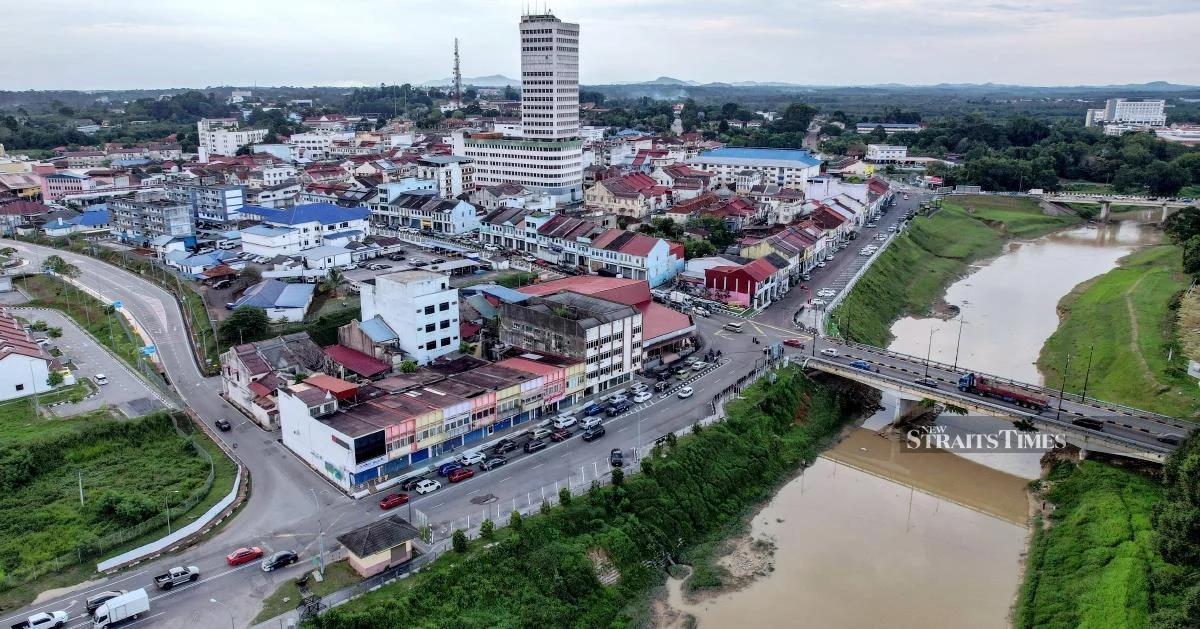
Communications Minister Datuk Fahmi Fadzil has sounded the alarm about sophisticated digital sabotage tactics emerging during the Johor state election campaign, including the creation of fake social media accounts impersonating candidates to distribute misleading content. Speaking in Muar, Fahmi urged voters across the state to exercise heightened vigilance and develop critical media literacy habits as electoral activity intensifies in the coming weeks.
The warnings come against a backdrop of growing concern about the integrity of digital political discourse across Southeast Asia. The phenomenon of coordinated inauthentic behaviour on social platforms—particularly the creation of fraudulent accounts mimicking legitimate candidates or party officials—has become increasingly sophisticated and difficult for ordinary users to identify. These operations typically work by cloning official profile images, adopting nearly identical usernames, and leveraging the credibility borrowed from association with real political figures to amplify false narratives.
Fahmi's intervention reflects the Malaysian government's broader commitment to safeguarding democratic processes in an era of information warfare. The attempted manipulation during the Johor campaign serves as a instructive case study in how elections have become frontline battlegrounds for those seeking to undermine public trust and distort electoral outcomes through technological means. The Communications Ministry has positioned itself as an active monitor of such activities, working to identify and flag suspicious accounts before they cause widespread damage.
The mechanics of digital sabotage in electoral contexts often follow predictable patterns. Bad actors establish networks of inauthentic accounts, then coordinate messaging to make fringe views appear mainstream, suppress voter enthusiasm for particular candidates, or fabricate scandals that damage reputations. In Malaysia's multi-ethnic, multi-religious society where communal sensitivities run high, such tactics carry particular danger by potentially inflaming existing fault lines or driving wedges between different communities through targeted disinformation.
For Malaysian voters, the implications extend beyond mere technical deception. The integrity of electoral choice depends fundamentally on access to reliable information. When fraudulent accounts successfully spread misleading narratives about candidates' positions, track records, or intentions, the quality of democratic decision-making deteriorates. Johor, as one of Malaysia's largest and most politically significant states, represents a crucial test case for how effectively authorities can protect electoral integrity while maintaining respect for freedom of expression.
The Johor state election itself carries substantial weight within Malaysia's broader political landscape. Results here influence national political calculations and serve as indicators of shifting voter sentiment. This makes the state an attractive target for those seeking to manipulate outcomes through digital means. By moving swiftly to warn the public, Fahmi is attempting to build public defences against these tactics before they achieve widespread penetration and influence.
Recent advances in technology have paradoxically made both the creation and detection of fake accounts more challenging. Automated systems can now generate convincing mimicry of legitimate accounts at scale, while the volume of content flowing across platforms makes manual verification increasingly impractical. Regional neighbours have faced similar challenges; Indonesia, the Philippines, and Thailand have all documented instances of coordinated inauthentic behaviour during their recent electoral contests, suggesting this represents a systemic threat to Southeast Asian democracies.
Fahmi's call for voter vigilance places responsibility on individuals to verify information sources before accepting or sharing content. This includes checking account verification status, examining posting history for inconsistencies, cross-referencing claims across multiple authoritative sources, and exercising scepticism toward sensational allegations that lack supporting evidence. Malaysian voters, particularly those active on social media platforms like Facebook, Instagram, and TikTok where much political discussion now occurs, should familiarise themselves with telltale signs of inauthentic accounts.
The Communications Ministry's public warnings also serve a deterrent function. By publicising the detection of these schemes and making clear that such activities will be monitored and exposed, authorities raise the costs for potential perpetrators. Bad actors recognise that campaigns compromised through exposure generate backlash rather than benefit, potentially accounting for why such schemes often remain covert or are attributed to third parties with plausible deniability.
Moving forward, the challenge for election administrators and communications regulators lies in balancing multiple objectives. Protecting against digital manipulation must proceed without evolving into censorship or restricting legitimate political expression. Platforms themselves bear responsibility for enforcing their terms of service by removing fraudulent accounts and networks, though enforcement has proven inconsistent and often reactive rather than proactive.
As Johor voters head to the polls, Fahmi's intervention reflects Malaysia's growing sophistication in recognising and articulating threats to electoral democracy in the digital age. The effectiveness of voter protection ultimately depends on public understanding of these tactics and collective willingness to reject manipulative content. Elections are won through convincing voters of the merits of candidates and policies, not through digital deception—a principle that should unite all stakeholders in electoral integrity regardless of their political affiliations.

