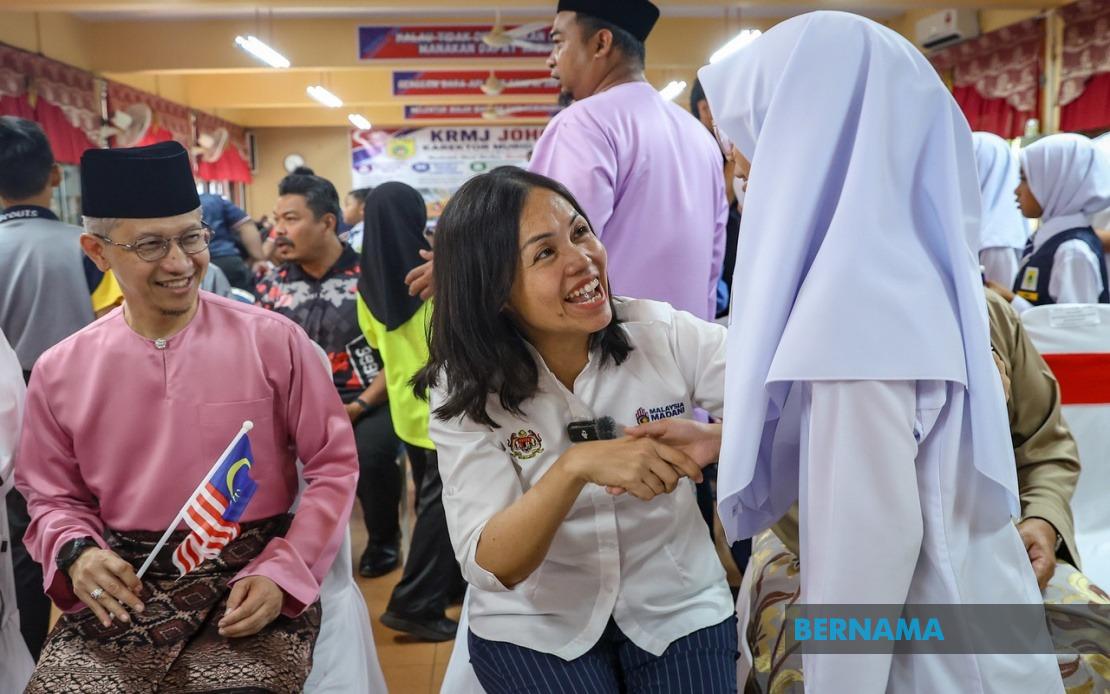
The Ministry of Communications is positioning the strengthening of Malaysia's film sector as a central pillar of its Budget 2027 agenda, according to Deputy Minister Teo Nie Ching. During an inspection visit to Kulai this week, Teo outlined how the ministry has been engaging with the Finance Ministry to secure greater resources for empowering local filmmakers and production companies, though formal budget discussions are still in their preliminary stages.
Teo indicated that while concrete figures remain to be finalised, the ministry has already initiated informal consultations with the Finance Ministry to articulate its vision for bolstering the film industry. She emphasised that announcing specific allocation targets prematurely would be counterproductive, as the ministry first needs to secure formal agreement on feasible funding levels before making public commitments. The official Budget 2027 announcement involving the Communications Ministry is expected following scheduled meetings with the Finance Ministry next week.
The push to support the film industry reflects broader government recognition of the creative economy's contribution to national economic output. By positioning cinema production alongside other components of the orange economy—a classification used to describe creative and cultural industries—the ministry is seeking to frame film support not merely as a cultural initiative but as an economically strategic investment. This framing carries particular weight in budget negotiations, as ministries increasingly must demonstrate how their funding requests translate into measurable contributions to gross domestic product growth.
The government's financial capacity will ultimately determine the quantum of support available, Teo cautioned, signalling that while the ministry's ambitions are substantial, realistic constraints on public spending will shape outcomes. This acknowledgment reflects the delicate balance policymakers must strike between addressing multiple sector needs and maintaining fiscal discipline. For the film industry, this means that even with ministerial backing, allocations may fall short of what producers and distributors have sought.
Teo's emphasis on developing effective policies rather than focusing solely on direct subsidies suggests the ministry is considering a multi-pronged approach to industry support. Rather than simply channelling money to production companies, the strategy appears to encompass regulatory reforms, tax incentives, training programmes, and infrastructure improvements that collectively enable the ecosystem to flourish. This approach resonates with international best practice, where countries like South Korea, Thailand, and Indonesia have successfully leveraged policy frameworks to attract both domestic and regional investment in film production.
The timing of this announcement carries significance for Malaysia's creative industries, which have faced years of relative underinvestment compared to counterparts in neighbouring countries. While Thailand and Vietnam have cultivated thriving film industries that attract international productions, Malaysia's sector has struggled with inconsistent support and limited funding mechanisms. A renewed government commitment through Budget 2027 could signal a turning point, potentially unlocking growth that has been constrained by capital limitations and structural disadvantages.
For Malaysian filmmakers and production companies, the prospect of enhanced ministry support opens possibilities for expanded domestic output, improved technical capabilities, and greater competitiveness in regional markets. However, the benefits will depend crucially on how allocated funds are structured and distributed. Whether support takes the form of production grants, tax credits, infrastructure development, or training initiatives will determine which segments of the industry benefit most and how effectively resources catalyse growth.
Beyond the economic dimensions, enhanced film industry support carries cultural implications for Malaysia. A vibrant domestic cinema can serve as a vehicle for storytelling that reflects Malaysian experiences and values to both domestic and international audiences, strengthening cultural soft power in an increasingly competitive region. This dimension may strengthen the ministry's case in budget negotiations, particularly as governments worldwide recognise cultural industries as important contributors to national brand-building and international competitiveness.
During her Kulai visit, Teo also announced support for non-Muslim houses of worship, with the temple in Kampung Baru Sengkang having received RM248,560 allocation in 2025 following its 2024 application under the government's RIBI scheme. This work, conducted alongside her parliamentary duties, underscores how government officials across multiple portfolios are juggling development priorities. The visible engagement with local constituents on infrastructure and community support matters contrasts with the behind-the-scenes negotiations on Budget 2027, illustrating the dual nature of contemporary governance—immediate community needs alongside longer-term sectoral strategy.
The coming weeks will prove critical for the Communications Ministry's budget ambitions. As Finance Ministry discussions proceed, the specifications of film industry support will take shape, determining whether the sector receives transformative investment or incremental enhancements to existing programmes. For observers of Malaysia's creative economy, the Budget 2027 outcomes will signal whether the government is genuinely committed to competing regionally on cultural production or whether film remains a peripheral concern in national development planning.

