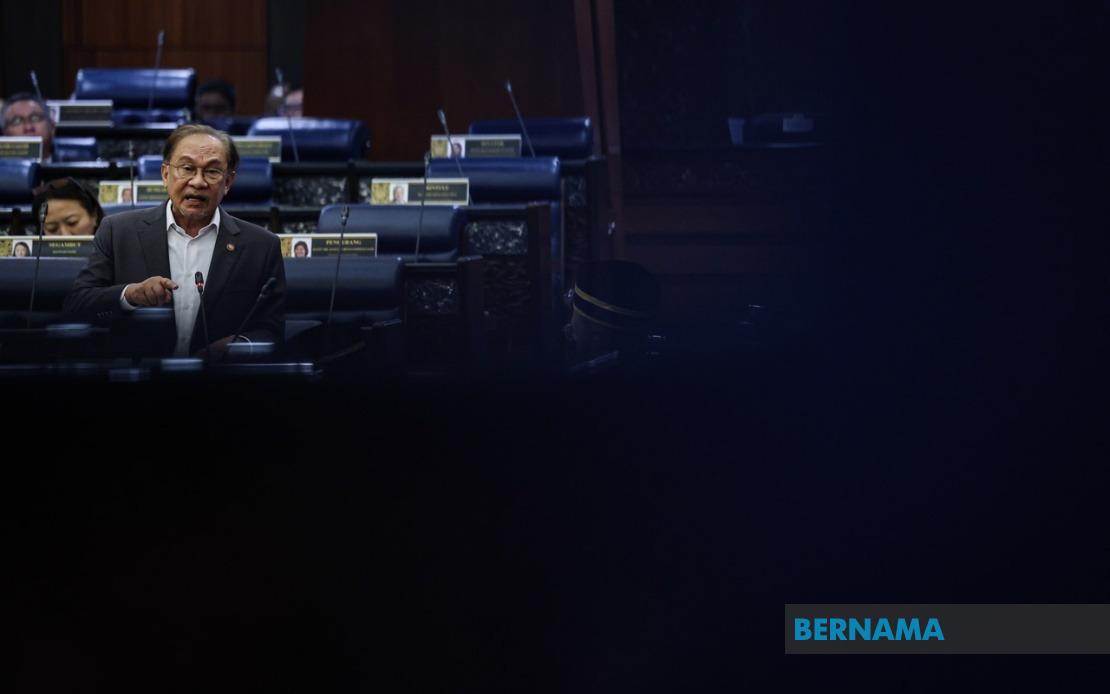
Prime Minister Datuk Seri Anwar Ibrahim has introduced a significant procedural safeguard aimed at protecting journalists from unwarranted investigations, announcing that complaints lodged against media practitioners will no longer automatically trigger government enforcement action. The new mechanism routes all such complaints through the Malaysian Media Council (MMM) as a preliminary review stage, representing a deliberate shift in how allegations of journalistic misconduct are handled by Malaysian authorities.
The initiative reflects growing international concern about press freedom in Malaysia, particularly regarding the application of laws such as the Sedition Act 1948 and the Official Secrets Act 1972, which legal observers argue create a chilling effect on legitimate reporting and critical commentary. By establishing the MMM as a gatekeeping body, the government aims to create institutional distance between political complaints and criminal prosecution, thereby reducing opportunities for journalists to face legal jeopardy simply because their coverage has drawn official displeasure.
Anwar elaborated on the rationale during parliamentary question time, emphasizing that the screening process would ensure fairness, transparency, and independence in any subsequent disciplinary actions. He stressed that journalists should not be penalised merely because a complaint has been filed, nor should government bodies retain the ability to initiate investigations unilaterally. The Prime Minister acknowledged that freedom of the press exists nowhere in absolute form, but contended that the new arrangement strikes a balance between legitimate accountability and protection against arbitrary state action.
The introduction of this mechanism represents an attempt to address longstanding criticism from international media freedom organisations, which have consistently ranked Malaysia below regional peers on press freedom indices. Countries including Singapore and Thailand have faced comparable scrutiny, yet Malaysia's score has been particularly affected by documented cases of journalists facing criminal charges following publication of investigative reports or critical commentary. The MMM's interposition is meant to create a buffer that prevents routine complaints from escalating into formal investigations without substantive review.
For Malaysian journalists and media organisations, the practical implications of this new protocol could be substantial. Reporters investigating government corruption, health violations, or public policy failures will theoretically operate under reduced legal risk, as complainants must now clear an additional procedural hurdle before investigations commence. This arrangement may encourage more assertive reporting on sensitive topics, though it remains unclear whether the MMM will have genuinely independent authority or whether government influence might persist through other mechanisms.
The timing of this announcement reflects broader regional dynamics. Southeast Asian democracies including Indonesia, the Philippines, and Thailand are grappling with similar tensions between press freedom and governmental authority. Malaysia's approach—creating an independent council rather than abolishing the controversial statutes entirely—offers a middle path that preserves legal frameworks while limiting their weaponisation against journalists. However, critics may argue that the approach merely masks rather than resolves underlying statutory restrictions.
Anwar's statement during parliamentary proceedings also underscores the Pakatan Harapan coalition's broader reform agenda. Since returning to power, the government has signalled openness to judicial review of media-related prosecutions and greater transparency in governance. The establishment of the MMM aligns with these commitments, though implementation will determine whether the council functions as a genuine independent arbiter or becomes another bureaucratic layer.
International implications for Malaysian journalism should not be underestimated. International press freedom bodies and diplomatic missions have long monitored prosecutions under the Sedition Act and Official Secrets Act, with particular attention to cases involving environmental reporting, healthcare investigations, and coverage of indigenous communities' concerns. The new mechanism may influence how foreign news organisations perceive the operating environment for journalism in Malaysia, potentially encouraging greater coverage of previously sensitive topics.
The Malaysian Media Council's actual authority and composition will prove critical to the mechanism's effectiveness. If the body comprises primarily government-affiliated representatives or lacks real power to block investigations, the announced safeguard may amount to procedural theatre. Conversely, if the MMM develops into a robust independent institution with genuine decision-making authority, it could establish a valuable precedent for media protection within the region's common law traditions.
For Malaysian readers and civil society, this development warrants close observation. The success of this initiative will depend on transparency regarding MMM decisions, appellate mechanisms for journalists who believe complaints were improperly processed, and the Council's willingness to reject frivolous or politically-motivated complaints. The announcement reflects growing international and domestic pressure on Malaysia to demonstrate commitment to democratic values and press freedom, even as the government maintains its authority to prosecute journalists under existing legislation in cases deemed to constitute genuine criminal conduct.

