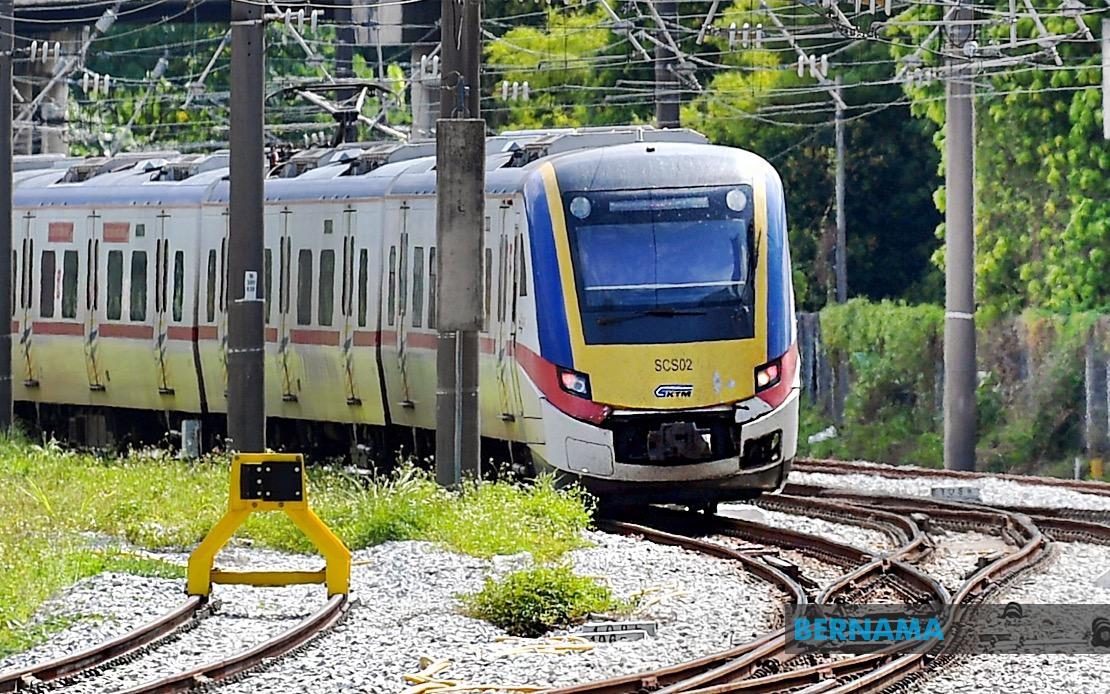
Railway operations across the Klang Valley experienced significant disruption on July 23 when a wooden structural component from a construction site adjacent to the KTM rail network fell directly onto the tracks near Batang Benar. The incident struck the overhead line system that supplies power to both KTM Komuter and Electric Train Service operations, immediately cutting electrical supply to trains servicing the area and triggering a cascade of cancellations affecting thousands of commuters during peak travel periods.
Keretapi Tanah Melayu Berhad identified the fallen structure as originating from a third-party construction project operating under a public works framework. The impact specifically targeted the overhead infrastructure positioned between Batang Benar and Labu stations, locations roughly 80 kilometres south of Kuala Lumpur on the main rail corridor serving the densely populated Selangor region. The damage extended beyond simple track obstruction, compromising the electrical system that powers trains across an entire operational segment.
The disruption fundamentally restructured train routing for the remainder of the day. KTM Komuter services departing from Pulau Sebang and heading toward KL Sentral were immediately rerouted to terminate at Seremban Station, preventing through-traffic on what would normally be a continuous line. Simultaneously, northbound services destined for either KL Sentral or Batu Caves were restricted to originating from Bangi Station, effectively isolating the critical segment between Bangi and Seremban from regular passenger operations. This geographical split forced commuters to abandon their intended journeys entirely or seek alternative arrangements.
To manage the stranded passenger load, KTM activated emergency protocols involving ground transportation. Three shuttle buses were rapidly deployed to operate a makeshift service network connecting Seremban, Tiroi, Batang Benar, Labu and Bangi stations, allowing passengers to bridge the affected railway section by road. This intervention, while helpful, represented a significant capacity reduction compared to the normal train throughput and extended journey times considerably for affected travellers. The shuttle service operated continuously throughout the disruption period as repair work progressed.
Electric Train Service passengers faced their own complications stemming from the same infrastructure damage. Seven additional shuttle buses were stationed at major interchange points including KL Sentral, Bandar Tasik Selatan, Kajang and Seremban to accommodate ETS passengers seeking alternative transport. Recognising the exceptional circumstances, KTMB announced that any ETS customer electing not to proceed with their journey from their original departure station would receive a complete refund, providing financial relief for those significantly inconvenienced by the suspension.
Investigation findings revealed systemic failures in contractor coordination and safety compliance. The Public Works Department contractor executing the wayleave project—a routine maintenance or infrastructure installation activity under government oversight—had not adhered to mandatory safety protocols governing work near active railway corridors. Most critically, the contractor failed to submit comprehensive documentation detailing the scope and timeline of construction activities, leaving KTMB unaware of the specific timing and nature of bridge work scheduled for that particular date.
KTMB's formal procedures establish explicit requirements for on-site oversight whenever contractors operate in close proximity to railway infrastructure. Under the operative Site Entry Permit Standard Operating Procedure, three qualified KTMB technical representatives must be physically present throughout construction activities to provide real-time monitoring. These representatives originate from distinct departments—the Regional Engineer division, the Signalling and Communications department, and the Electrification division—ensuring comprehensive expertise across all critical railway systems. This three-person oversight mechanism proved absent during the bridge construction that precipitated the structural failure.
The incident underscores vulnerabilities in third-party contractor management within Malaysia's rail network governance structure. Wayleave projects, while necessary for infrastructure development, introduce external actors into environments where operational continuity directly affects hundreds of thousands of daily commuters. The contractor's failure to communicate work timing represents not merely administrative negligence but a fundamental breach of safety culture that endangered both passenger welfare and service reliability. The absence of mandated KTMB supervisory personnel at the work site indicates possible failures in enforcement mechanisms.
Engineers worked systematically to restore the damaged overhead line infrastructure while maintaining shuttle bus operations for stranded passengers. The overhead power system, while sophisticated in design, experiences considerable vulnerability when struck by falling debris, requiring careful inspection and specialised repairs before safe train operations can resume. KTMB mobilised its technical team across multiple departments to coordinate both physical repairs and ongoing passenger management, demonstrating organisational capacity under crisis conditions. The railway operator prioritised restoration speed while maintaining stringent safety standards that prevent premature service resumption.
The Batang Benar incident carries broader implications for Malaysia's rail infrastructure management and third-party contractor oversight mechanisms. As the nation continues expanding rail networks and conducting necessary maintenance activities, the necessity for rigorous enforcement of safety protocols becomes increasingly apparent. The incident demonstrates that procedural frameworks alone prove insufficient without consistent implementation and accountability mechanisms that hold contractors to established standards. For Malaysian commuters depending on rail services, the incident highlighted the fragility of modern transportation systems when external parties operate without adequate coordination.
KTMB issued public apologies for service disruptions while emphasising that passenger safety and operational reliability constitute institutional priorities. The railway operator directed affected commuters to monitor official social media channels and consult station staff for real-time service updates as repair work progressed throughout the day. The commitment to transparent communication represented an effort to maintain public confidence despite operational failures attributable to contractor negligence rather than railway management decisions. The incident would likely prompt reviews of contractor vetting procedures and enforcement mechanisms across public rail operators regionally.

